Oil Price War After Iran? How Peace Could Trigger a Global Supply Glut
 ΧΡΟΝΟΣ ΑΝΑΓΝΩΣΗΣ 13 '
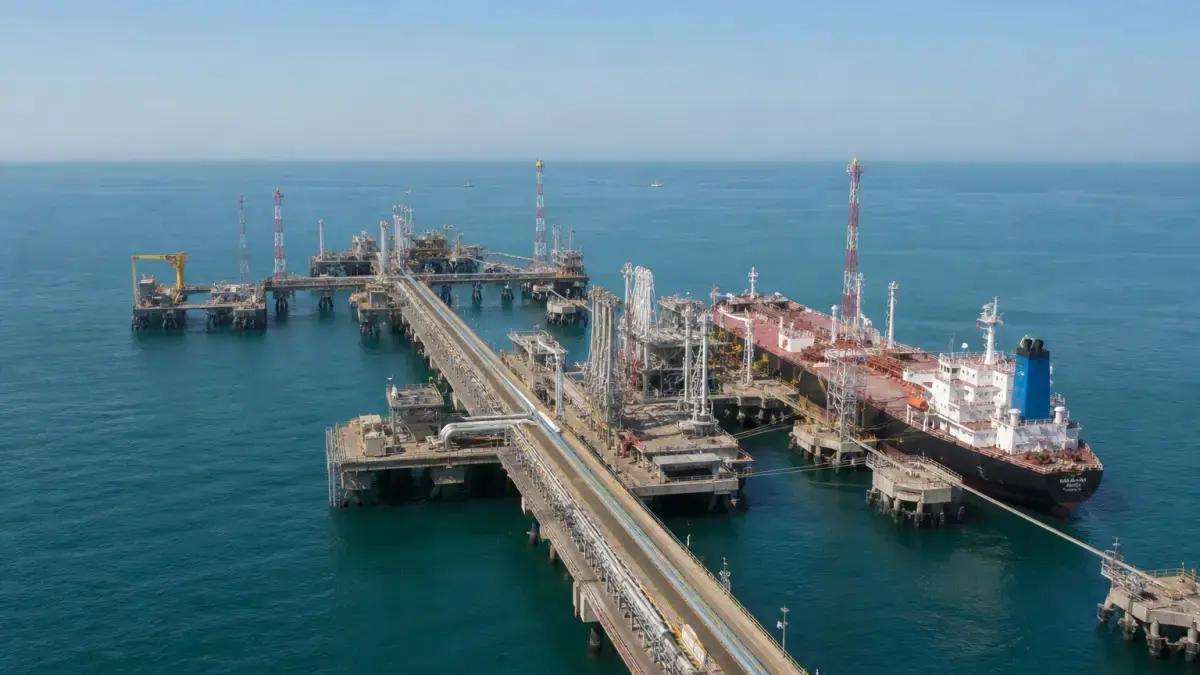
Πηγή Φωτογραφίας: AP Photo/Oil Price War After Iran? How Peace Could Trigger a Global Supply Glut



The Iran war could leave behind one of the most unexpected consequences in modern energy history: a global oil surplus.
A conflict that initially threatened to paralyse crude supplies from the Middle East is now giving way to a very different market environment, as exports recover and producers compete increasingly aggressively for customers.
The reversal is already visible in international oil prices.
Brent crude fell more than 17% last week to approximately $97 per barrel, recording its steepest weekly decline since the COVID-19 pandemic in 2020, according to figures cited by Reuters.
The sell-off followed heavy Republican losses in the US midterm elections, which strengthened expectations that President Donald Trump’s administration could seek to de-escalate the conflict with Iran.
Yet the more significant transformation is taking place beneath the surface.
Middle Eastern exports are approaching pre-war levels, producers outside the region have expanded output, and damaged refining infrastructure is limiting the market’s ability to absorb additional crude.
The result could be a new phase of intense competition among the world’s largest oil exporters.
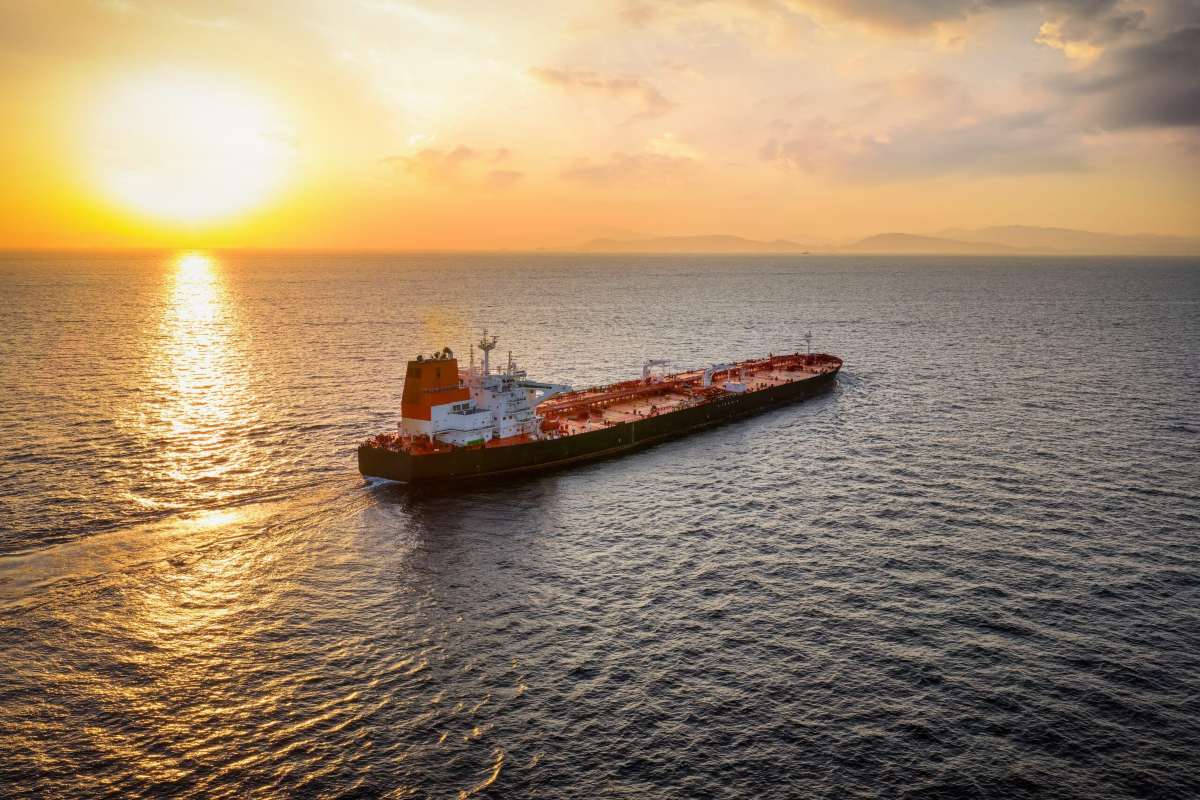
Strait of Hormuz: From Near-Total Disruption to 10.3 Million Barrels a Day
The most important development is the recovery of oil shipments through the Strait of Hormuz, one of the world’s most strategically important energy corridors.
According to data from Kpler, crude exports through the waterway averaged 10.3 million barrels per day in October.
During the first month of the war, shipments excluding Iranian exports had fallen to virtually zero.
Before the conflict, approximately 13.5 million barrels per day moved through the strait.
The recovery accelerated in September as Gulf producers increasingly resumed shipments using tanker convoys protected by the US Navy.
Although security threats remain, the partial restoration of maritime traffic has allowed substantial volumes of Middle Eastern crude to return to international markets.
This has fundamentally changed expectations about future supply.
Saudi Arabia and the UAE Restore Alternative Export Routes
The recovery extends beyond the Strait of Hormuz itself.
Saudi Arabia has relied on its Red Sea export facilities at Yanbu, while the United Arab Emirates has increased shipments through the Fujairah terminal, which provides access to international markets without requiring vessels to transit Hormuz.
These alternative routes have helped producers maintain exports despite continued maritime security risks.
When these shipments are included, total regional crude exports reached approximately 16.6 million barrels per day in October, compared with a pre-war average of 17 million barrels per day.
That leaves a difference of just 400,000 barrels per day.
The figures suggest that Middle Eastern exports have nearly recovered their pre-conflict volume, even though military risks and damage to energy infrastructure have not disappeared.
For global oil markets, the implications are substantial.
The supply emergency that dominated the early stages of the war is increasingly being replaced by concerns about how the market will absorb returning barrels.

Global Production Rose While Markets Feared Shortages
The other side of the supply equation lies outside the Middle East.
As the war restricted Gulf exports and pushed prices higher, producers elsewhere had strong incentives to increase output.
The United States, Brazil and Canada were among the countries that expanded production.
According to Energy Aspects, global crude production reached approximately 85 million barrels per day in October, compared with a five-year average of 83 million barrels per day.
That represents an increase of two million barrels per day relative to the historical benchmark.
The additional production was brought into the market when traders were primarily concerned about shortages.
Now that Gulf exports are recovering, those extra barrels are contributing to the risk of oversupply.
The central question is whether global demand and refining capacity can expand quickly enough to absorb them.
Saudi Arabia Cuts Prices: A $6.50 Discount for Asian Buyers
Saudi Arabia has already begun responding to the changing market conditions.
The kingdom reduced the December price of its flagship Arab Light crude for Asian customers by $2 per barrel compared with November.
The adjustment widened its discount against the Oman-Dubai benchmark to $6.50 per barrel.
That was the largest discount since May 2020, when the pandemic triggered an unprecedented collapse in global oil demand.
The comparison highlights the scale of the current market adjustment.
Saudi Arabia is no longer simply trying to restore export volumes. It is also seeking to defend its customer base against increasingly competitive international suppliers.
Asian refiners are particularly important because the region includes some of the world’s largest crude importers.
As supply increases, buyers gain greater negotiating power and can choose between more competing grades of oil.
Price discounts become a tool for protecting market share.
From $34 to 95 Cents: The Collapse in Middle Eastern Oil Premiums
The change in market conditions is also evident in spot crude prices.
In mid-September, Oman’s premium over the Dubai benchmark reached approximately $34 per barrel.
It subsequently collapsed to just 95 cents per barrel, before recovering modestly to $1.76.
The movement illustrates how quickly the balance of power can shift between producers and buyers.
When supplies are scarce, refiners are willing to pay substantial premiums to secure available cargoes.
When supply increases and alternative sources become more accessible, those premiums can disappear.
The sharp decline indicates that the market is increasingly focused on competition for buyers rather than competition for barrels.
The Shipping Paradox: Cheaper Oil, Soaring Freight Costs
The recovery in exports does not mean that oil transportation has returned to normal.
Shipping costs remain extraordinarily high.
Continued attacks on vessels, elevated security requirements and complicated transfer arrangements have pushed freight expenses sharply higher.
According to figures cited in the report, tanker transportation costs have climbed to approximately $30 per barrel, compared with around $5 before the war.
That represents a sixfold increase.
Many Gulf producers have been forced to rely on expensive ship-to-ship transfers in the Gulf of Oman to reduce the risks associated with moving crude through vulnerable shipping routes.
This creates a difficult commercial environment.
Crude prices are declining, but the cost of delivering oil to customers remains exceptionally high.
For exporters, the combination puts pressure on net revenues and makes competition for buyers even more intense.
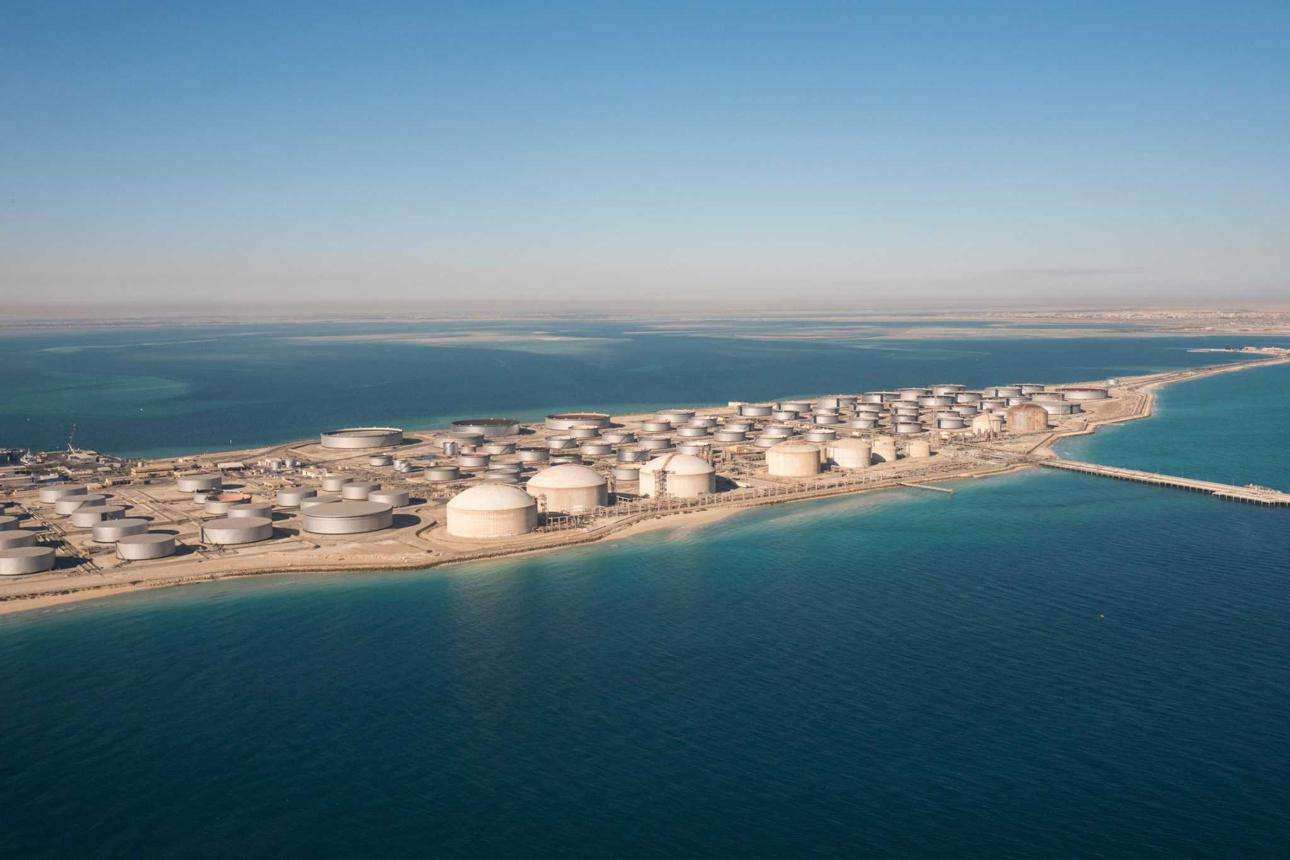
Damaged Refineries Create an Unusual Energy Imbalance
One of the most important features of the emerging market is the disruption to refining capacity.
Although crude production and exports are recovering, the ability to process oil into gasoline, diesel and other fuels has been weakened.
Attacks on energy infrastructure in the Middle East and Ukraine have damaged refining facilities and reduced available processing capacity.
The result is an unusual imbalance.
Producers have more crude available for sale, but refiners have less capacity to process additional supplies.
This means the world could experience a surplus of crude oil without an equivalent surplus of refined petroleum products.
For consumers, the distinction matters.
A decline in international crude prices does not automatically translate into an equally large or immediate reduction in gasoline and diesel prices.
Refining margins, transportation costs and local market conditions can keep finished fuel prices elevated even as crude becomes cheaper.
Why Producers Cannot Simply Store Their Oil
Under normal circumstances, an exporter facing temporary oversupply might choose to store crude and sell it later.
However, the current structure of the oil market makes that strategy less attractive.
The market remains in backwardation, a condition in which prices for immediate delivery are higher than those for future delivery.
In this environment, storing oil can be financially disadvantageous.
A producer must pay storage costs while facing the prospect of selling the same barrel later at a lower price.
That encourages exporters to sell immediately, even if doing so requires offering discounts.
When many producers adopt the same strategy, downward pressure on prices can intensify.
This market structure could accelerate the transition from supply shortages to a surplus.
Global Oil Demand Has Fallen by 3.3 Million Barrels a Day
Demand is another major source of uncertainty.
According to JPMorgan estimates, global oil consumption has declined by approximately 3.3 million barrels per day since the beginning of the war.
High fuel prices have discouraged consumption, while some Asian countries have introduced fuel rationing or other restrictions.
However, it remains unclear how much of this decline represents a permanent reduction in demand.
Some consumption may simply have been postponed.
If oil prices fall and fuel availability improves, businesses and consumers could increase purchases.
That rebound could absorb part of the additional supply entering the market.
A faster recovery in refining capacity could have a similar effect by allowing processors to purchase larger volumes of crude.
For this reason, an oil glut remains a plausible scenario rather than an inevitable outcome.
Could the Gulf Enter a New Oil Price War?
For Middle Eastern producers, the next phase could prove economically difficult.
The Iran war has damaged infrastructure, disrupted export revenues and increased the cost of transporting energy.
Governments now face pressure to restore public finances and finance reconstruction.
That creates a powerful incentive to maximise production and exports.
However, if multiple producers increase output simultaneously, the resulting surplus could push prices lower.
Saudi Arabia, the United Arab Emirates and other exporters therefore face a difficult choice.
They can restrict supply to defend prices, or they can offer discounts to protect market share.
The second strategy could trigger a broader price war, particularly in Asia.
Saudi Arabia’s latest price reductions provide an early indication of how aggressively competition could develop.
The pressure may also extend beyond the Gulf as producers in North and South America seek to preserve the market share they gained during the conflict.
What Lower Oil Prices Could Mean for Europe
For Europe, a sustained decline in crude prices could help reduce imported inflation and lower energy costs for businesses.
Countries heavily dependent on imported oil, including Greece, could benefit from cheaper international supplies.
However, the impact on retail fuel prices would depend on several factors.
These include refining margins, the euro-dollar exchange rate, fuel taxation, transportation costs and the availability of refined products.
A sharp fall in Brent crude therefore does not guarantee an equivalent reduction at petrol stations.
European economies also remain exposed to shipping disruptions and broader geopolitical instability.
Even if crude becomes more abundant, continued insecurity in the Gulf could keep freight and insurance costs elevated.
Three Scenarios for Oil After the Iran War
The next phase of the global oil market will depend on the interaction between geopolitics, supply and demand.
Scenario one: A durable de-escalation. Shipping through the Strait of Hormuz becomes safer, freight costs decline and Gulf producers restore more exports. If demand fails to recover at the same pace, crude prices could face sustained downward pressure.
Scenario two: Demand and refining capacity recover. Lower prices encourage consumption while damaged refineries return to operation. Additional crude supplies are absorbed more quickly, reducing the risk of a prolonged surplus.
Scenario three: Renewed military escalation. Attacks on tankers or energy infrastructure disrupt exports again, reversing the current supply recovery and potentially triggering another sharp increase in prices.
Each scenario carries different consequences for producers, consumers, financial markets and governments.
The central uncertainty is whether the recovery in global oil supply will outpace the recovery in demand.
From Energy Scarcity to a Battle for Market Share
The Iran war initially transformed global energy markets through scarcity, disruption and rapidly rising transportation costs.
Its eventual end could create the opposite challenge.
With Middle Eastern exports approaching pre-war levels and producers elsewhere operating at higher output, the market may struggle to absorb all the available crude.
Saudi Arabia’s price cuts demonstrate how quickly exporters are adjusting to the new environment.
For the Gulf’s oil-producing economies, the challenge is no longer simply restoring access to international markets.
It is securing customers without triggering a collapse in the value of their exports.
The next major confrontation in the global energy market may therefore be fought not through military action, but through discounts, production volumes and competition for market share.
Source: pagenews.gr
Διαβάστε όλες τις τελευταίες Ειδήσεις από την Ελλάδα και τον Κόσμο