Greece Says YES to Nuclear! Is Cheaper Electricity Finally Coming?
 ΧΡΟΝΟΣ ΑΝΑΓΝΩΣΗΣ 3 '
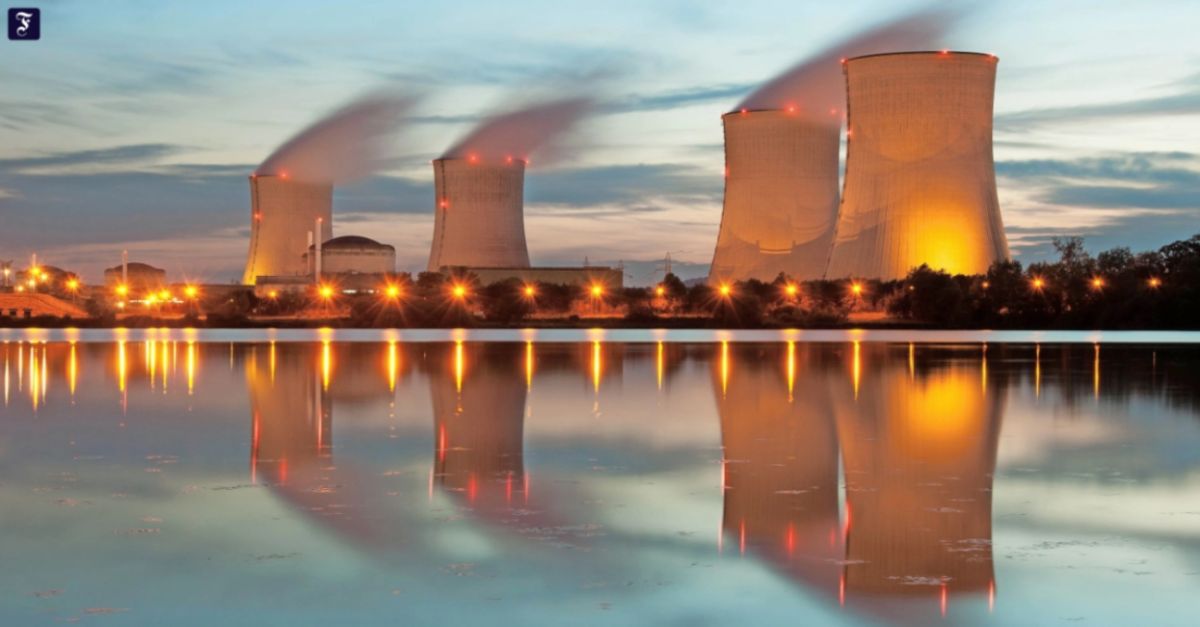
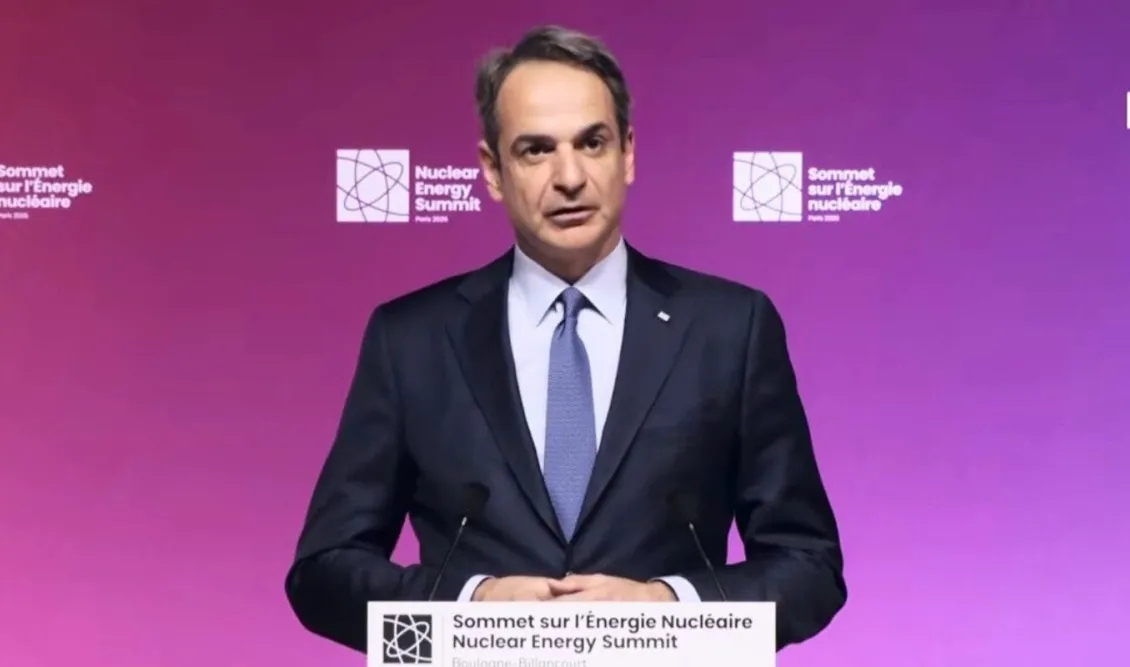
Πηγή Φωτογραφίας: screenshot//Greece Says YES to Nuclear! Is Cheaper Electricity Finally Coming?



Greece is taking a bold step into the world of nuclear energy, as Prime Minister Kyriakos Mitsotakis signals the country’s willingness to explore Small Modular Reactors (SMRs) as part of its long-term energy strategy. While not an immediate construction plan, this decision marks a historic shift in a country traditionally reliant on natural gas, renewables, and imported electricity.
The government emphasizes that SMRs could provide stable, low-carbon energy to complement Greece’s renewable sources, while helping to shield the country from volatile energy markets and rising electricity prices. With geopolitical tensions affecting global gas prices, experts argue that nuclear energy could be a strategic safety net for both households and industry.
Market Reactions: Cautious Optimism
Energy experts have welcomed the move as a “positive first step,” particularly praising the planned cross-ministerial committee that will evaluate the feasibility of nuclear deployment. Companies like Athlos Energy are already completing preliminary studies, offering technical expertise to ensure that Greece can harness nuclear energy safely and efficiently.
At the same time, some market voices caution that nuclear projects require long-term investment and rigorous safety oversight, noting that public skepticism could slow progress. Despite this, the mere signal of government interest has sparked renewed investor curiosity and conversations about Greece’s role in Europe’s growing nuclear sector.
Why Small Modular Reactors Are Game-Changers
SMRs differ from traditional nuclear plants in several ways:
- Lower upfront costs, due to modular, factory-built components
- Enhanced safety features, including passive cooling systems
- Reduced nuclear waste compared to conventional reactors
- Potential use in industrial applications, including green hydrogen production and process heat
These advantages make SMRs particularly appealing for a country like Greece, where space is limited and rapid deployment is desirable. Analysts suggest that SMRs could be integrated into energy grids alongside solar and wind, providing a reliable “baseload” supply when renewable sources fluctuate.

Public Opinion: Divided but Shifting
Recent polls indicate a gradual rise in support for nuclear energy in Greece. Approximately 30% now favor nuclear power, 43% remain opposed, and 21% are undecided — a significant shift from 2018, when support was under 20%. Government officials hope that education and transparent safety standards will increase public confidence.
Global Context
Worldwide, over 400 nuclear reactors operate, with countries like the U.S., China, and France leading the sector. Many European nations are exploring SMRs as a smarter, safer, and faster way to achieve carbon neutrality. Greece’s move positions it as a potential regional innovator in nuclear technology.
The Road Ahead
While the implementation of nuclear energy in Greece is still at an early stage, the strategic implications are clear:
- Potential for lower electricity bills for consumers
- Enhanced energy independence
- Opportunities for industrial growth and green technology exports
The government’s next steps involve forming committees, conducting feasibility studies, and engaging stakeholders across industry, academia, and the public. If successful, Greece could join a small but growing group of European countries embracing SMRs, signaling a new energy era that balances renewables with reliable nuclear power.
Source: pagenews.gr
Διαβάστε όλες τις τελευταίες Ειδήσεις από την Ελλάδα και τον Κόσμο