


Greece and France Forge a New Strategic Defense Pact Amid Middle East Crisis
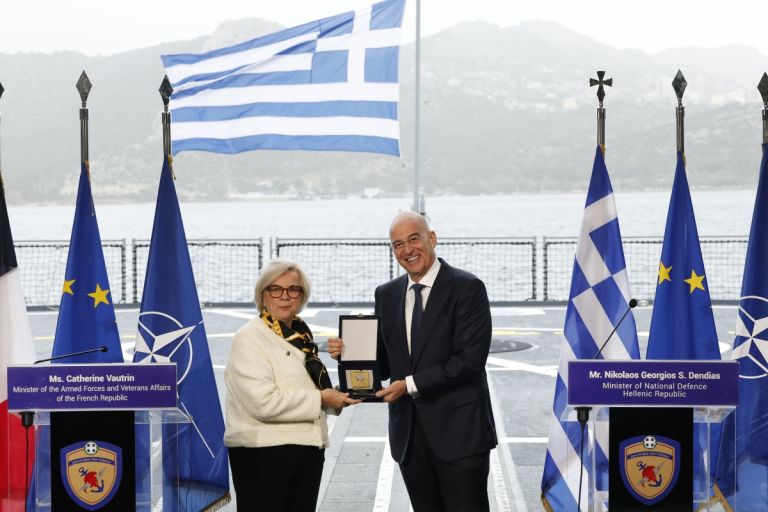
Πηγή Φωτογραφίας: (ΓΙΩΡΓΟΣ ΚΟΝΤΑΡΙΝΗΣ / EUROKINISSI)//Greece and France Forge a New Strategic Defense Pact Amid Middle East Crisis



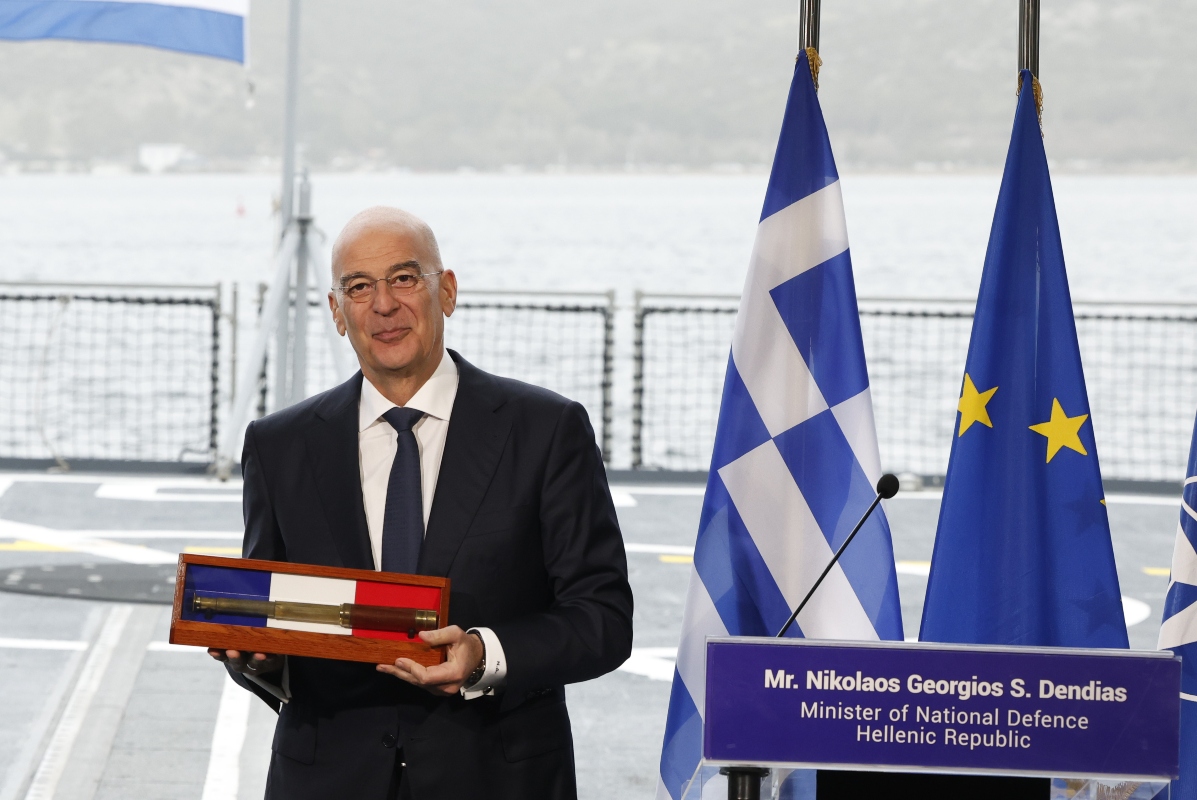
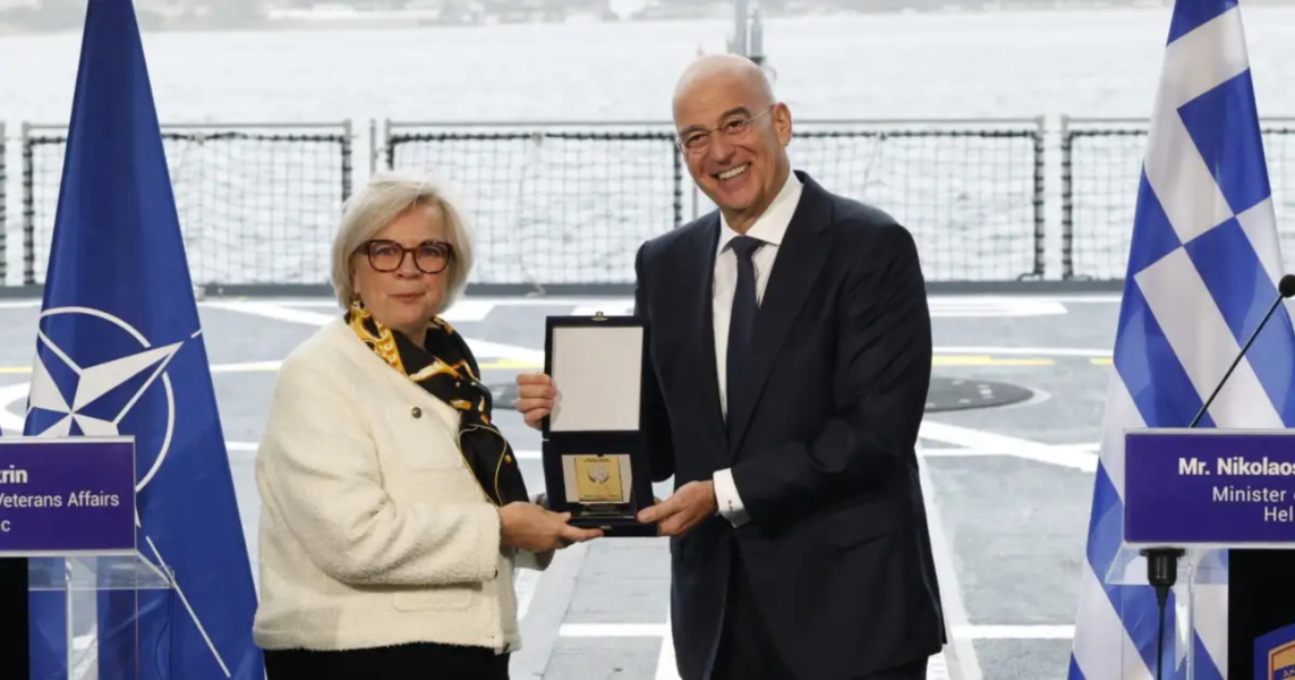
In a moment marked by escalating geopolitical tensions across the Middle East and rising concerns about maritime security and global energy flows, Greece and France are deepening their strategic defense alliance. A lengthy strategic telephone dialogue between Greek Minister of National Defense Nikos Dendias and French Minister of the Armed Forces Catherine Votrine has set the stage for a renewed and expanded Greece–France Strategic Partnership Agreement focused on security, defense cooperation, and regional stability.
This pivot reflects not only bilateral ties but also broader shifts in European strategic thinking as capitals seek greater autonomy in managing regional crises — especially those that threaten energy routes and shipping lanes.
Upgrading a Strategic Defense Relationship
According to official statements from Athens, the talks with Minister Votrine are part of “regular defense consultations” aimed at ensuring the Greece–France defense partnership remains dynamic and responsive to emerging threats.
The existing Strategic Partnership Agreement, which already includes mutual defense clauses, is expected to be renewed and enriched with:
- Expanded operational cooperation across air, sea, and digital domains.
- Joint military exercises and capability-sharing in areas such as air defense, unmanned systems, and interoperability.
- Increased technological and industrial collaboration between Greek and French defense sectors.
For Greece, France remains a critical European partner with significant defense capabilities and political influence, especially within the European Union and NATO framework.
Maritime Security and Energy Routes
A central part of the discussion focused on the crisis in the Middle East, where the ongoing war involving Iran, the U.S., and regional actors has severe implications for global trade and energy security — particularly via strategic choke points like the Strait of Hormuz and Red Sea–Suez corridor.
Greece’s position as a major maritime nation gives particular weight to:
- Naval cooperation to protect sea lines of communication.
- Enhancement of joint presence in strategic corridors.
- Coordination of initiatives to ensure free and secure navigation.
This emphasis aligns with broader European concerns over the impact of regional conflict on energy markets, where Brent crude oil prices have surged above $100 per barrel, prompting fears of lasting supply disruptions and renewed inflationary pressures in global markets.
Diplomatic Signals: Shared Loss and Shared Risk
During the exchange, Minister Dendias also expressed Greece’s condolences over the death of a French officer in Erbil, underlining the deepening ties between the two armed forces and acknowledging shared exposure to regional tensions.
This exchange carried both symbolic and diplomatic weight, signaling that Greece and France view emerging crises not merely as distant flashpoints but as shared strategic challenges with direct implications for European security.
Autonomy in European Defense Posture
These developments occur against the backdrop of growing debate in Europe over strategic autonomy — the idea that the EU and its member states should develop a defense capability that complements, but is not wholly dependent on, NATO and U.S. leadership.
While the United States remains a central security partner, the renewed Greece–France defense dialogue reflects:
- A push toward independent European defense initiatives.
- Efforts to integrate bilateral cooperation into broader EU and NATO defense frameworks.
- Recognition of the need for collective European responses to regional instability that directly affects EU interests.
This trend is mirrored in other EU security initiatives and defense-intensive projects aimed at enhancing European military capacity.
Broader Geopolitical Implications
The enhanced Greece–France security bond also resonates beyond bilateral ties:
- It strengthens the European southern flank against potential destabilization stemming from Middle Eastern conflicts.
- It reinforces NATO cohesion, especially in contested areas like the Eastern Mediterranean.
- It sends a message of European political unity and strategic resolve to both allies and regional adversaries.
At the same time, this deepening partnership comes amid broader EU measures addressing Iran’s destabilizing activities, including restrictive measures tied to Tehran’s foreign policy and military behavior.
The strategic partnership thus intersects with larger European policy goals — balancing deterrence, diplomacy, and regional stability.
A Message with Strategic Weight
The Dendias–Votrine exchange underscores that the Greece–France defense agreement is not a static treaty but an evolving strategic framework. It adapts to emerging threats, from Middle East conflict zones to critical maritime corridors, with direct consequences for Greek and European security, economic stability, and geopolitical positioning.
Source: pagenews.gr
Διαβάστε όλες τις τελευταίες Ειδήσεις από την Ελλάδα και τον Κόσμο




Το σχόλιο σας