


Diplomatic Clash at COP31: Turkey Blocks Cyprus, Sparking EU–UN Tensions
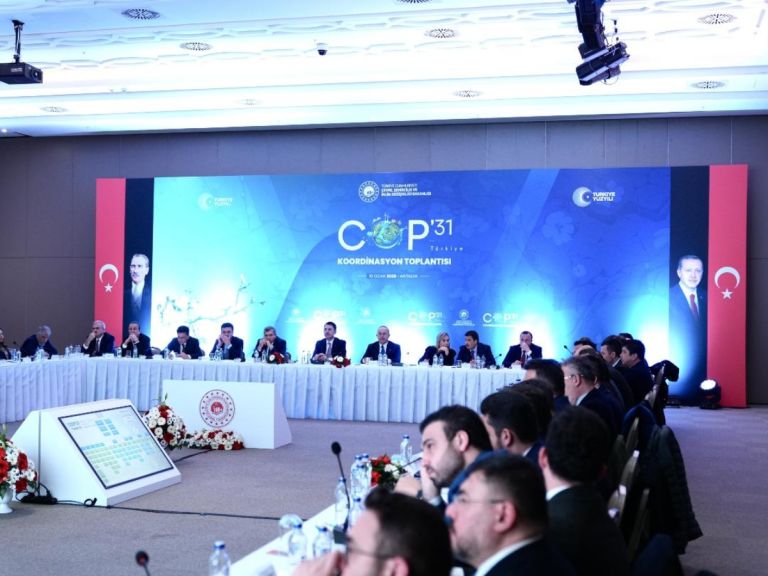
Πηγή Φωτογραφίας: AP Photo//Diplomatic Clash at COP31: Turkey Blocks Cyprus, Sparking EU–UN Tensions



A new diplomatic rift between Turkey and the Republic of Cyprus has emerged, this time within the framework of global climate diplomacy.
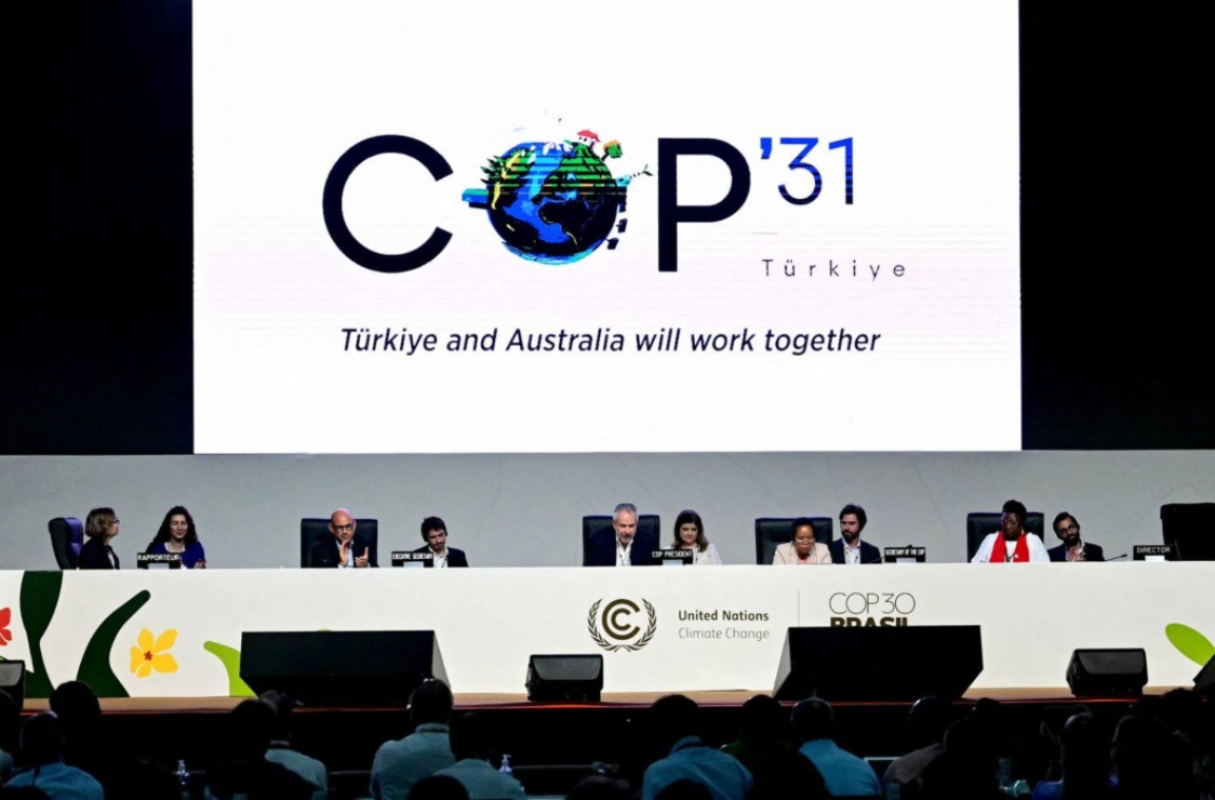
According to diplomatic sources, Ankara—acting as chair of the COP31-related proceedings—denied Cyprus participation in a key session held on March 27, 2026, at the headquarters of the United Nations.
Exclusion at the Heart of Multilateralism
The Cypriot delegation was reportedly denied even a seat in the conference room, where the session was chaired by Turkish Environment Minister Murat Kurum.
The incident is significant for three reasons:
- It occurred within a global policy forum addressing climate change
- It involved the exclusion of a UN member state
- It challenges norms of multilateral participation and inclusivity
EU Reaction: “Violation of Core UN Principles”
The European Union strongly condemned the move during a subsequent UN session marking the International Day of Zero Waste.
In its official statement, the EU:
- expressed “serious concern”
- reaffirmed the principle of sovereign equality of states
- stressed that all UN member states are entitled to full participation
The intervention underscored Brussels’ dual role as both a political actor and representative of Cyprus as an EU member state.
Ankara’s Response: Non-recognition and Procedural Justification
Turkey defended its decision by reiterating its longstanding policy of not recognizing the Republic of Cyprus.
According to the Turkish delegation:
- the meeting did not fall under a formal UN mandate
- participation was determined at the discretion of the आयोजer
- invitations were extended only to states recognized by Turkey
Ankara also criticized the EU, accusing it of:
- maintaining a biased stance on the Cyprus issue
- failing to act as a neutral mediator since Cyprus joined the bloc
Reference was also made to the Annan Plan, rejected by Greek Cypriots in 2004.
Climate Diplomacy Meets Geopolitics
This episode highlights a broader trend: Climate diplomacy is increasingly entangled with geopolitical disputes.
Three key takeaways emerge:
1. Institutional ambiguity
Turkey’s claim that the meeting was not formally under UN authority exposes procedural grey zones in global governance.
2. Politicization of multilateral platforms
The exclusion of a UN member state signals that:
- access to international forums can be politically conditioned
- neutrality in global governance is not guaranteed
3. Re-internationalization of the Cyprus issue
The Cyprus dispute is re-emerging across new arenas, linking:
- environmental governance
- international law
- state recognition
The COP31 incident is more than a diplomatic disagreement—it is a test case for the resilience of multilateral norms.
It reveals:
- the persistence of unresolved geopolitical conflicts
- the fragility of inclusive global governance
- the risks of politicizing transnational challenges like climate change
At a time when global cooperation is critical, such actions risk undermining both trust and effectiveness in international institutions.
Source: pagenews.gr
Διαβάστε όλες τις τελευταίες Ειδήσεις από την Ελλάδα και τον Κόσμο






Το σχόλιο σας