Citi: $588B to rebuild Ukraine – private capital becomes decisive for post-war recovery
 ΧΡΟΝΟΣ ΑΝΑΓΝΩΣΗΣ 3 '
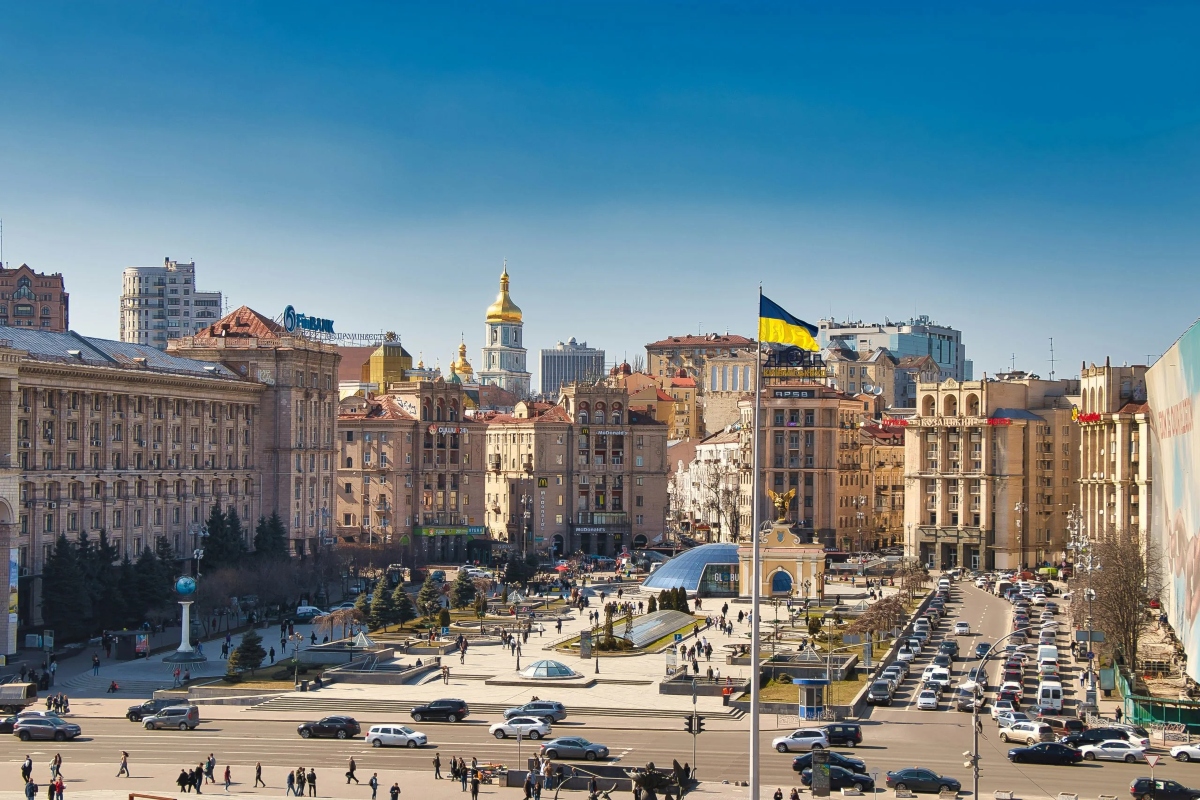
Πηγή Φωτογραφίας: AP Photo//Citi: $588B to rebuild Ukraine – private capital becomes decisive for post-war recovery



Ukraine’s reconstruction is shaping up to be one of the largest economic undertakings of the 21st century, with total costs estimated at $588 billion over the next decade, according to a Citi research analysis.
The figure is nearly three times Ukraine’s current GDP and, in real terms, exceeds the scale of the Marshall Plan, underscoring both the magnitude of destruction and the unprecedented investment opportunity that lies ahead.
A reconstruction effort beyond repair
The damage caused by the ongoing war extends far beyond physical infrastructure. It has reshaped the entire economic landscape of the country, with reconstruction costs rising steadily as the conflict continues.
Citi emphasizes that the process is not simply about rebuilding what was lost, but about “building back better”—a structural transformation aligned with European integration standards.
“Reconstruction is not a return to the pre-war status quo, but a redesign of the economy on more resilient and modern foundations,” the report notes.
Core investment priorities
The bulk of reconstruction needs is concentrated in three key sectors:
- Energy
- Transport infrastructure
- Housing
Each of these areas is estimated to require around $90 billion in investment, reflecting the scale of destruction across Ukraine’s essential systems.
The strategy goes beyond restoration, focusing on modern, resilient grids, upgraded transport networks, and new housing stock designed for long-term functionality and accessibility.

Private capital becomes essential
Despite significant international aid commitments, public funding alone is insufficient to cover the total reconstruction bill.
Citi estimates that foreign direct investment (FDI) could range between $87 billion and $145 billion over the next decade, covering up to one-quarter of total needs.
Additional capital is expected to be mobilized through partnerships with international financial institutions, helping to unlock broader private sector participation.
Where investors are focusing
Early investment interest is concentrating in several strategic sectors:
- Energy and infrastructure
- Defense industry and dual-use technology
- Manufacturing
- Critical raw materials
Energy stands out as a particularly attractive sector, combining urgent reconstruction needs with long-term revenue potential for investors.
Key challenges remain
Despite strong long-term prospects, major risks persist. Security conditions and political stability remain the most critical factors for attracting sustained investment.
Ukraine also faces a growing labor shortage due to wartime displacement and migration, adding pressure to reconstruction timelines.
A further challenge is geographic imbalance: capital is flowing primarily into relatively safer western regions, while the most severe destruction is concentrated in the east.
Even under optimistic scenarios, Citi stresses that private capital alone cannot close the funding gap. A blended model combining public funding, multilateral institutions, and private investment will be essential.
The success of Ukraine’s reconstruction will therefore depend not only on financial scale, but also on long-term geopolitical stability and investor confidence.
Source: pagenews.gr
Διαβάστε όλες τις τελευταίες Ειδήσεις από την Ελλάδα και τον Κόσμο