EU sees window to unlock 20th Russia sanctions package after Orban setback and US policy shift
 ΧΡΟΝΟΣ ΑΝΑΓΝΩΣΗΣ 4 '
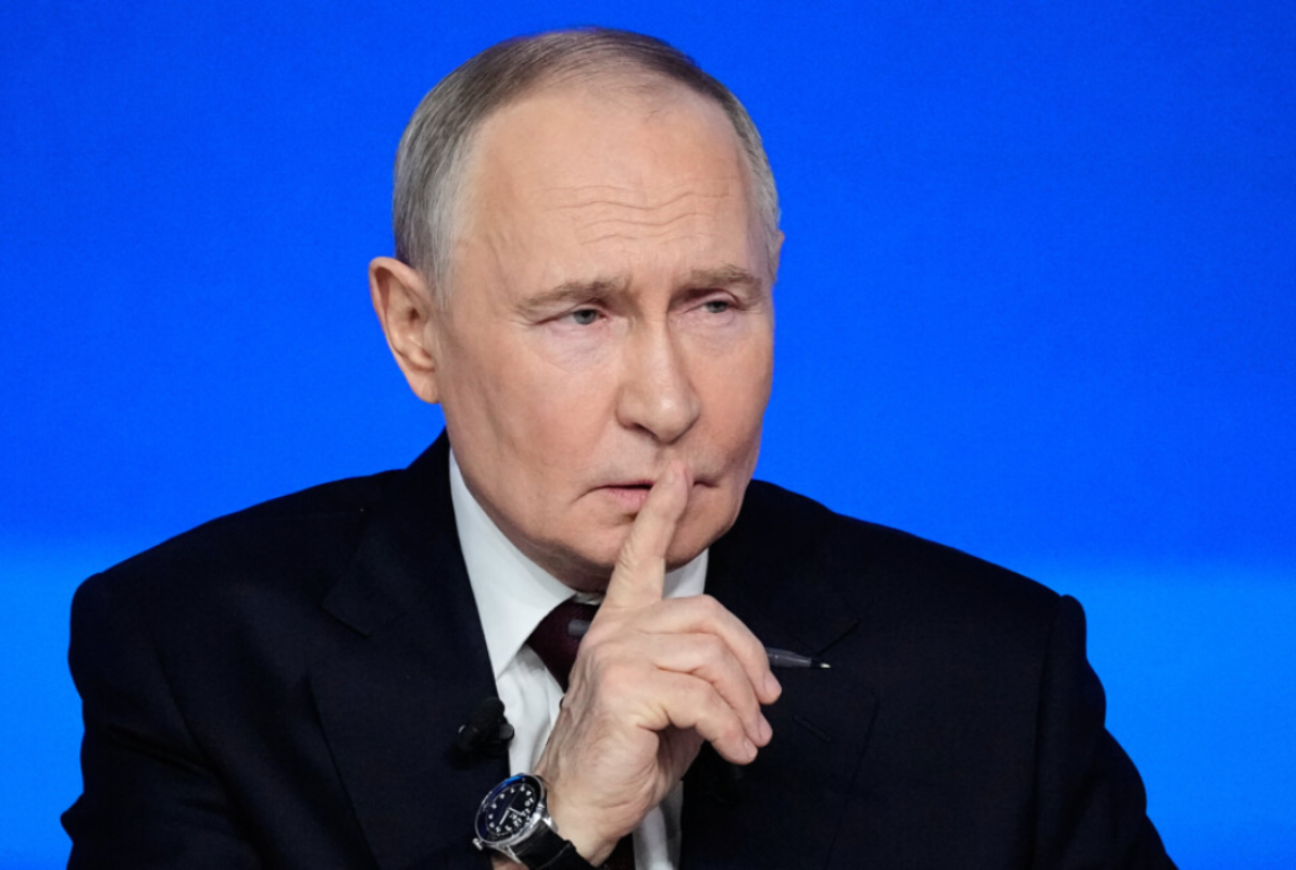
Πηγή Φωτογραφίας: AP Photo//EU sees window to unlock 20th Russia sanctions package after Orban setback and US policy shift



The European Union is experiencing renewed momentum to advance its long-delayed 20th sanctions package against Russia, as political developments in Hungary and policy adjustments in the United States begin to alter the geopolitical equation inside and outside the bloc.
For more than two months, the proposed sanctions package has remained effectively frozen due to internal EU divisions—most notably veto threats from Hungary and Slovakia—combined with wider energy security concerns linked to global instability.
At the core of the proposal are measures targeting Russia’s “shadow fleet” and maritime services supporting oil exports, including a potential full ban on shipping-related services for Russian crude transport.
“The proposed measures include a full ban on the provision of maritime services for Russian oil tankers,” according to EU diplomatic discussions cited in recent reporting.
Political pressure easing inside the EU
Recent developments in Budapest have shifted expectations in Brussels. Following Viktor Orbán’s weakened political position after electoral setbacks, EU officials increasingly believe Hungary’s blocking leverage may diminish in the coming months.
This has revived optimism that the sanctions package—long stalled by veto politics—could finally move forward, potentially alongside a broader EU financial support mechanism for Ukraine worth tens of billions of euros.
Slovakia remains another key variable. While Prime Minister Robert Fico has aligned at times with Orbán’s position on energy issues, EU diplomats suggest Bratislava could be more open to compromise if transit disputes over the Druzhba oil pipeline are resolved.
US policy shift adds momentum
In Washington, a parallel development has strengthened EU arguments for tightening pressure on Moscow. The US administration has ended temporary exemptions that previously allowed limited transactions involving Russian and Iranian oil shipments.
US Treasury officials confirmed that the general licenses permitting such flows would not be renewed, a move interpreted in Brussels as reinforcing the need for coordinated transatlantic sanctions policy.
“We will not renew the general license for Russian oil,” US Treasury Secretary Scott Bessent stated, signaling a stricter enforcement phase.
However, earlier US measures granting limited relief had caused frustration among European officials, who viewed them as undermining coordinated pressure on Moscow at a critical moment.
Energy markets and Russia’s resilience
Despite sanctions pressure, Russia continues to benefit from volatile global energy markets. The price of Urals crude has remained elevated in recent months, with export revenues rising significantly compared to earlier in the year, according to the International Energy Agency (IEA).
This unexpected revenue boost has complicated Western efforts to constrain Moscow’s war economy.
EU Commission spokesperson Paula Pinho acknowledged the paradox:
“It is ironic that Russia is actually benefiting from developments linked to this broader conflict, but that is the reality,” she said.
Strategic uncertainty remains
Even if EU member states overcome veto obstacles, key questions remain about the effectiveness of the proposed sanctions architecture. Diplomats have indicated that maritime service restrictions are intended to align with G7 coordination efforts, particularly as Western powers seek to replace the oil price cap mechanism.
However, no firm G7-wide agreement is currently in place, leaving Brussels with the possibility of acting unilaterally if necessary.
“We always try to align with G7 efforts, but if that is not possible, we will consider how to proceed,” an EU official noted.
Outlook
The convergence of political change in Hungary, shifting US enforcement policy, and persistent battlefield dynamics in Ukraine has created what EU officials describe as a “narrow but real window” for sanctions progress.
Still, the outcome remains uncertain. The EU must navigate internal divisions, global energy volatility, and the limits of coordinated Western pressure—all while Russia continues to adapt its export strategies and sustain war-related revenues.
Source: pagenews.gr
Διαβάστε όλες τις τελευταίες Ειδήσεις από την Ελλάδα και τον Κόσμο