


Hungary: Magyar Dismantles Orbán’s System From the First Hours
Πηγή Φωτογραφίας: AP Photo//Hungary: Magyar Dismantles Orbán’s System From the First Hours



Transition of Power in Hungary
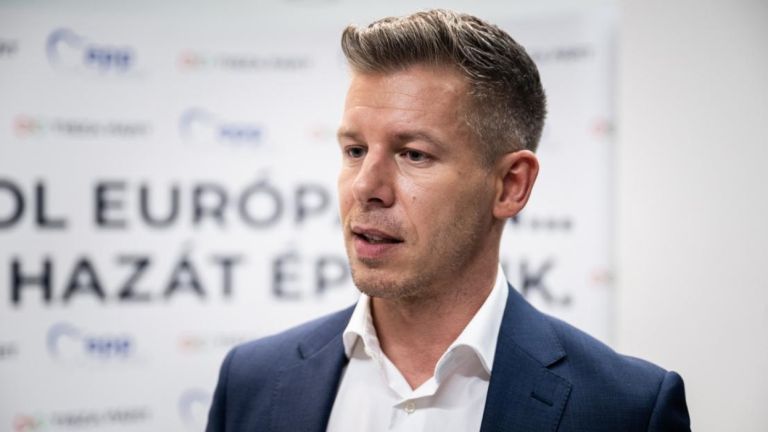
Péter Magyar, widely seen as Hungary’s next prime minister, outlined sweeping political changes immediately after what is described as a decisive electoral victory for his Tisza Party. The result is expected to reshape Hungary’s relations with the European Union, Russia, and the United States under the Trump administration.
Magyar, 45, a former insider of the ruling party, stated that his party’s overwhelming parliamentary mandate — potentially reaching a two-thirds majority — gives him the authority to dismantle what he described as an increasingly authoritarian system under Viktor Orbán and to restore Hungary’s place within the European mainstream.
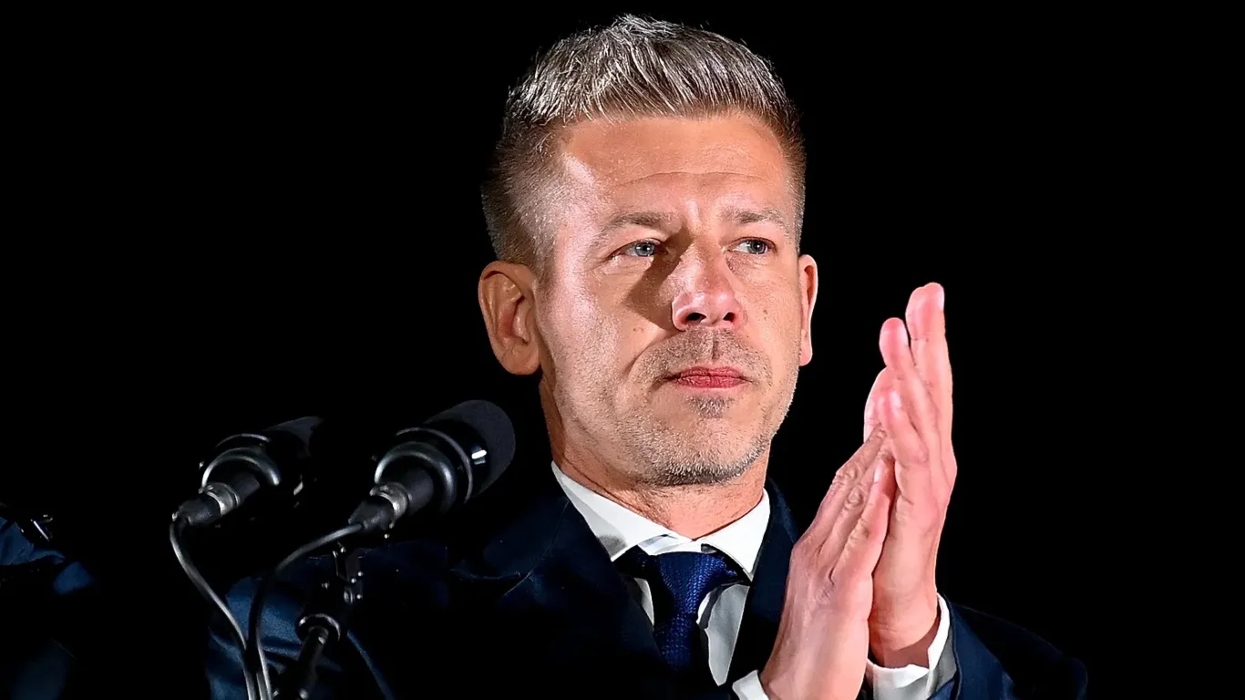
During his victory speech in Budapest on Sunday, delivered in front of a large crowd overlooking the Danube and the illuminated Parliament building, he called for the resignation of the country’s president, senior judges, and the prosecutor general, accusing them of political loyalty to the Orbán system rather than institutional independence.
“Those who betrayed the country must be held accountable,” he said. “We will liberate Hungary and take our country back.”
International Impact
The result is viewed as a setback for both Donald Trump and Russian President Vladimir Putin, who were seen as supportive of maintaining Orbán in power. It also represents a defeat for the nationalist bloc in Europe, where Orbán had emerged as a leading figure and a driving force behind the Patriots political group, now the third-largest in the European Parliament.
The outcome has been welcomed by the European Union, which for years struggled with Orbán’s obstructionist policies. Putin had also relied on Hungary to create divisions within the EU, block key aid to Ukraine, and weaken sanctions against Moscow.
The Hungarian forint strengthened to a three-year high against the euro following the result.
“Hungary will once again be a strong ally in the European Union and NATO,” Magyar stated. “Hungary’s place is, has always been, and will remain in Europe — as it has for a thousand years.”
European Commission President Ursula von der Leyen wrote on X: “Hungary has chosen Europe. Europe has always chosen Hungary. Together we are stronger.”
Ukrainian President Volodymyr Zelensky also welcomed the development, expressing readiness for “meetings and constructive cooperation for the benefit of both nations, and for peace, security, and stability in Europe.”
Domestic Political Realignment
Despite international implications, the most profound consequences are expected to unfold inside Hungary itself — a country once seen as a model transition from communism to market democracy, and where Orbán has been a dominant political figure for decades.
Orbán began his career as a liberal anti-communist student leader in the 1980s, became a conservative prime minister in 1998 at the age of 34, lost power in 2002, and returned in 2010 as a nationalist leader pursuing an illiberal state model.
Magyar mobilized public support over the past two years with a message of systemic change, capitalizing on public frustration over nepotism, economic stagnation, and declining public services. He ultimately broke the ruling party’s long-standing dominance.
Economic Challenges Ahead
Magyar now faces significant economic challenges, including the fiscal consequences of pre-election government spending such as lifetime tax exemptions for mothers and increases in pensions and public sector wages.
Hungary’s cash-based budget deficit reached 3.4 trillion forints ($10.6 billion) in the first quarter, marking a record high. Analysts warn that immediate fiscal consolidation may be necessary to avoid a downgrade to “junk” credit status.
At the same time, a potential two-thirds parliamentary majority would allow the government to unlock more than €20 billion in frozen EU funds tied to rule-of-law concerns. Planned reforms include anti-corruption legislation, cooperation with the European Public Prosecutor’s Office, and measures to restore media and academic freedoms.
Institutional Reform Agenda
Magyar has pledged to introduce a two-term limit for prime ministers, a measure that would bar Orbán — who has served five consecutive terms in total — from returning to office.
The prospect of improved relations with the EU and potential adoption of the euro contributed to a strengthening of the forint and Hungarian government bonds even before the election.
Orbán had previously used his parliamentary supermajority to reshape the constitution, electoral system, judiciary, and key institutions, consolidating power across the state apparatus.
His government has also been widely criticized for targeting minorities — particularly the LGBTQ+ community and migrants — as well as independent media and civil society organizations.
The Formula Behind the Victory
Magyar, who identifies as a centre-right conservative, successfully unified liberal voters and disillusioned Fidesz supporters under the Tisza banner.
Unlike previous opposition figures, he expanded his campaign into rural areas, traditionally strongholds of Orbán’s party.
His platform focused on inflation, education reform, and the deteriorating healthcare system, while also promising accountability for alleged misuse of public funds and the emergence of a politically connected economic elite.
Hungary currently ranks last in the European Union on Transparency International’s corruption index.
Source: pagenews.gr
Διαβάστε όλες τις τελευταίες Ειδήσεις από την Ελλάδα και τον Κόσμο







Το σχόλιο σας