Greek Energy Projects Secure European Bonus: Major Investments Included in EU PCI/PMI List
 ΧΡΟΝΟΣ ΑΝΑΓΝΩΣΗΣ 3 '
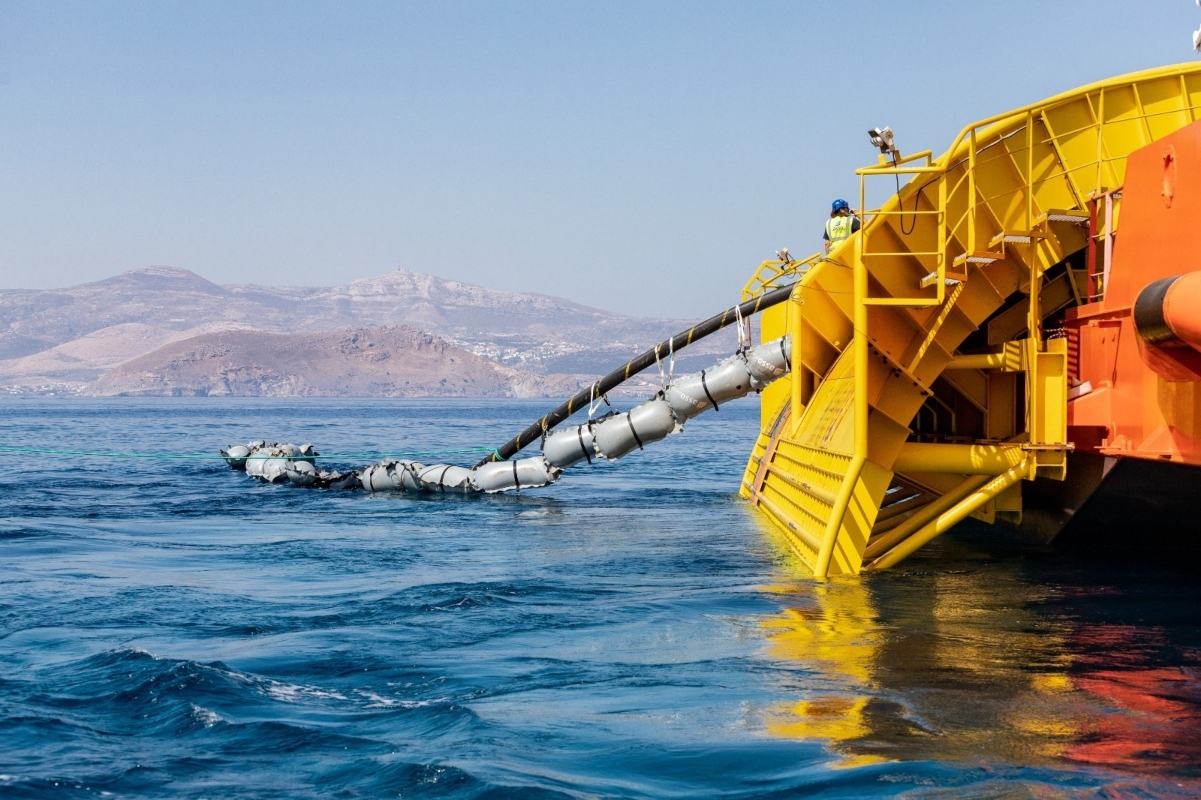
Πηγή Φωτογραφίας: AP Photo//Greek Energy Projects Secure European Bonus: Major Investments Included in EU PCI/PMI List



EU recognition boosts Greece’s strategic energy role
The European Commission has published the final list of Projects of Common Interest (PCI) and Projects of Mutual Interest (PMI), including 12 major Greek energy projects.
This inclusion is considered a significant upgrade in status, as it places these projects at the core of Europe’s energy strategy, giving them access to the Connecting Europe Facility (CEF) funding mechanism, as well as streamlined permitting procedures and enhanced institutional support.
What PCI and PMI status actually means
PCI and PMI projects are not ordinary infrastructure investments. They are classified as strategic cross-border energy projects essential for:
- completing the EU internal energy market
- strengthening energy security and supply diversification
- accelerating the green transition
Once a project is included in the list, it typically benefits from:
- priority access to EU funding
- faster and more coordinated licensing processes
- increased political and regulatory support at EU level
Key Greek energy projects on the list
Several flagship projects position Greece as a regional energy hub connecting Europe with the Eastern Mediterranean, North Africa, and the Balkans.
Great Sea Interconnector (GSI)
A major electricity interconnection between Greece, Cyprus, and Israel, designed to integrate Eastern Mediterranean power systems into the European grid and support renewable energy exports.
GREGY interconnection (Greece–Egypt)
A strategic project aimed at transporting green electricity from North Africa to Europe via Greece, strengthening cross-continental clean energy flows.
Upgrade of Greece–Italy electricity interconnection
An expansion of existing infrastructure to increase transmission capacity and improve electricity market integration between the two countries.
Storage, hydrogen, and next-generation infrastructure
The new PCI/PMI list also highlights Greece’s role in emerging energy technologies:
- Amfilochia pumped hydro storage: one of Europe’s largest energy storage projects, crucial for stabilizing renewable energy systems
- Battery storage projects in Western Macedonia: enhancing grid flexibility
- Hydrogen corridors (Greece–Bulgaria, Greece–Italy/Poseidon): forming a regional hydrogen transport network
- CO₂ storage in Prinos: a key carbon capture and storage (CCS) project for industrial decarbonization
Greece as a rising energy hub in Europe
The inclusion of these projects reflects a broader shift: Greece is increasingly positioned as a multi-energy transit and production hub, covering:
- electricity transmission
- natural gas infrastructure
- hydrogen networks
- carbon storage systems
This diversification aligns with Europe’s strategy to reduce dependency on traditional energy routes while accelerating decarbonization.
Funding outlook and next steps
The next critical milestone is the upcoming CEF funding call, expected by late April 2026, which will determine which projects move from planning to full implementation.
Successful applications could unlock significant EU co-financing and accelerate construction timelines, transforming Greece’s long-term energy infrastructure landscape.
Strategic implications for Europe
Beyond national impact, these projects are increasingly seen as part of Europe’s broader geopolitical energy strategy. By integrating Greece into multiple energy corridors, the EU strengthens:
- supply security
- regional energy interdependence
- access to renewable resources outside Europe
Source: pagenews.gr
Διαβάστε όλες τις τελευταίες Ειδήσεις από την Ελλάδα και τον Κόσμο