US Pressure Pushes Lebanon–Israel Talks:Rubio’s Role and Netanyahu’s Ceasefire Dilemma Regional War Expands
 ΧΡΟΝΟΣ ΑΝΑΓΝΩΣΗΣ 4 '
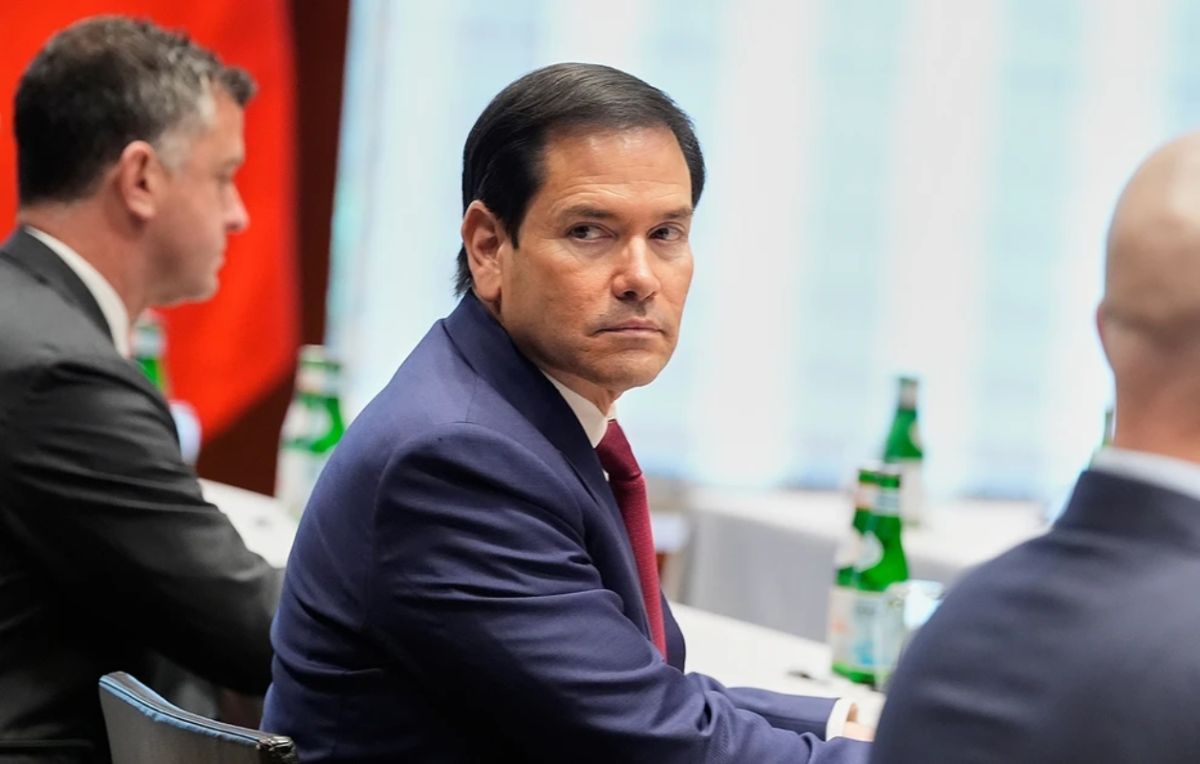
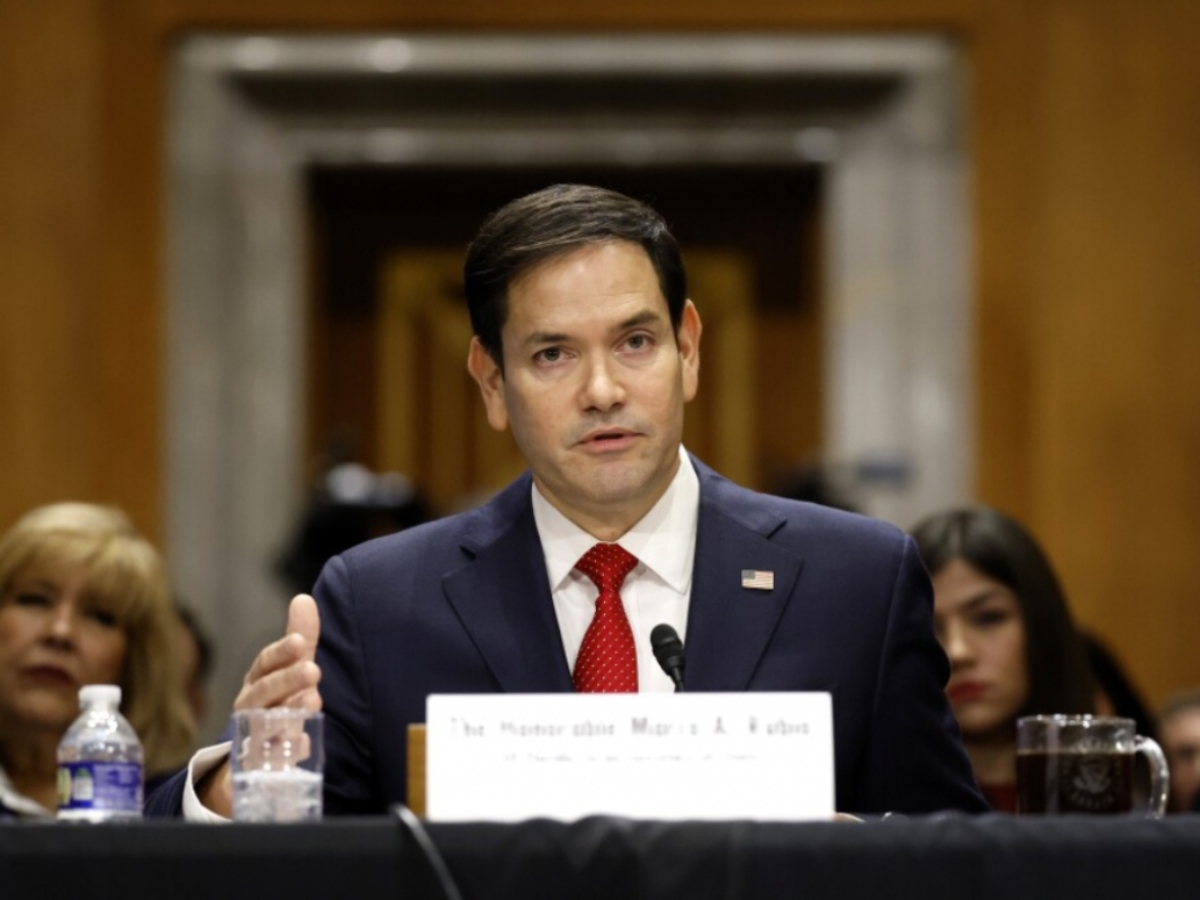
Πηγή Φωτογραφίας: AP Photo//US Pressure Pushes Lebanon–Israel Talks: Rubio’s Role and Netanyahu’s Ceasefire Dilemma as Regional War Expands



Historic negotiations under US mediation in Washington
Diplomatic sources confirm that Israeli and Lebanese representatives are meeting in Washington for the first time in decades, in US-mediated talks aimed at ending the escalating conflict along Israel’s northern border.
The talks come after weeks of intense violence involving Israel and Hezbollah, which has destabilized southern Lebanon and triggered mass displacement. According to multiple reports, the negotiations are being facilitated directly by the United States, with Secretary of State Marco Rubio playing a central coordinating role.
These discussions mark a rare diplomatic opening between two countries that do not maintain formal relations.
Netanyahu under US pressure over ceasefire options
Behind the diplomatic process, a key question is whether Israel is willing to accept a ceasefire.
According to an Israeli diplomatic source cited by Al-Monitor, the negotiations are not purely regional but heavily shaped by Washington’s influence:“Donald Trump pressured Benjamin Netanyahu into these negotiations… Trump sees what is happening in Lebanon as a troublesome issue that prevents him from addressing the main problem with Iran.
This suggests that the Lebanon front is increasingly viewed in Washington as part of a wider strategic effort to stabilize the region and reduce distractions from the confrontation with Iran.
However, Israeli officials continue to insist that any ceasefire arrangement must be linked to broader security guarantees, including the disarmament of Hezbollah.
Rubio’s diplomatic balancing act
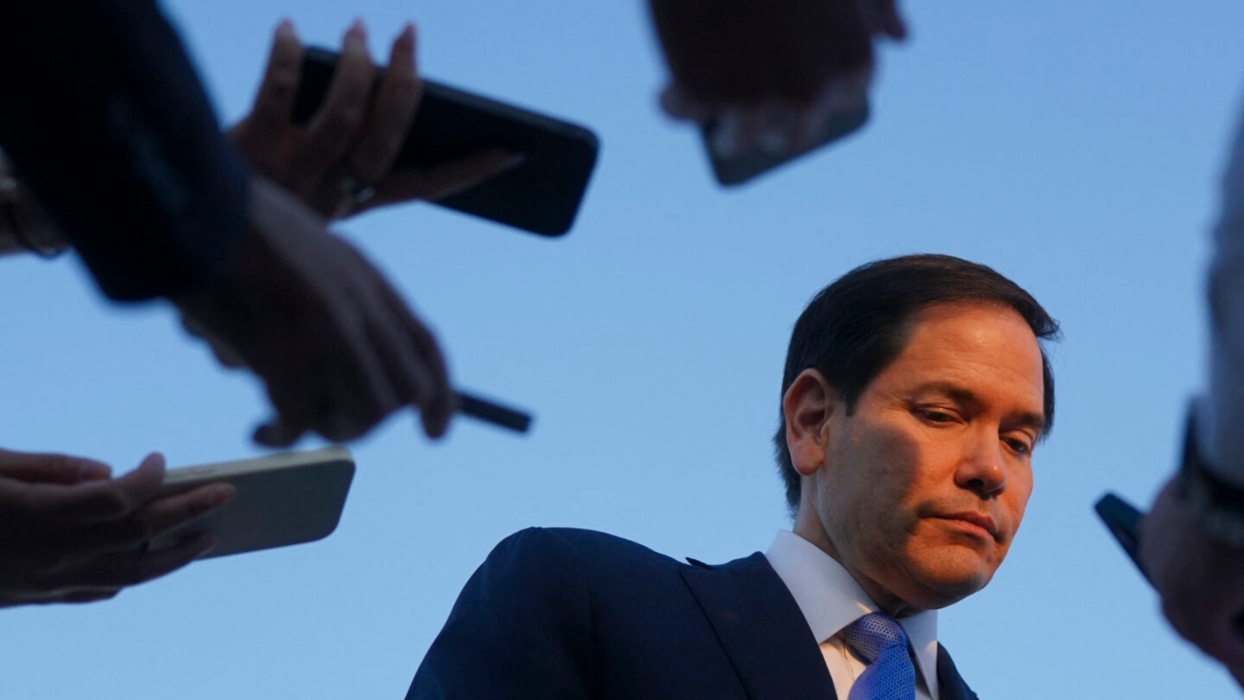
Marco Rubio’s role is emerging as that of a pressure mediator between competing strategic priorities:
On one side, Washington seeks a rapid de-escalation in Lebanon to prevent a wider regional spillover.
On the other, Israel maintains that military pressure on Hezbollah is necessary before any sustainable ceasefire can be reached.
According to diplomatic reporting, Rubio’s task is to bridge this gap while maintaining US credibility with both Beirut and Jerusalem.
Hezbollah factor complicates negotiations
A major obstacle to any agreement remains Hezbollah’s position.
The group has publicly rejected the legitimacy of US-led negotiations and insists it will not be bound by any agreement reached without its approval. Recent statements from Hezbollah leadership underline the group’s rejection of external political frameworks and its continued framing of the conflict as resistance against Israeli operations.
This creates a structural problem: even if Lebanon and Israel reach a diplomatic understanding, enforcement on the ground remains uncertain.
Lebanon’s push for ceasefire and stability
Lebanese officials, meanwhile, are reportedly seeking a temporary ceasefire as a stepping stone toward broader negotiations.
Beirut’s position is driven by severe internal pressures, including displacement, infrastructure damage, and political fragility, all of which have intensified since the escalation of hostilities.
For Lebanon, US involvement is seen as essential to guaranteeing any potential agreement.
Regional context: Iran shadow over negotiations
The Lebanon–Israel talks cannot be separated from the broader regional confrontation involving Iran.
Analysts note that Washington’s diplomatic strategy increasingly links multiple conflict theaters—Lebanon, Gaza, and Iran—into a single containment framework.
This explains why US officials are pushing for stabilization on the Lebanese front: reducing pressure on Israel could allow the US to focus on the larger strategic issue of Iran’s regional role and nuclear ambitions.
Fragile diplomacy under fire
While the Washington talks represent a rare diplomatic breakthrough, the underlying reality remains unstable.
Israel’s security demands, Hezbollah’s rejection of external agreements, and Lebanon’s internal divisions create a highly fragile negotiating environment.
Whether Rubio and US diplomacy can convert this opening into a lasting ceasefire remains uncertain—but the current process marks the most serious attempt in years to de-escalate the Israel–Lebanon conflict through direct political engagement.
Source: pagenews.gr
Διαβάστε όλες τις τελευταίες Ειδήσεις από την Ελλάδα και τον Κόσμο