Europe Drafts NATO “Plan B” as U.S. Commitment Wavers Under Trump Pressure
 ΧΡΟΝΟΣ ΑΝΑΓΝΩΣΗΣ 4 '
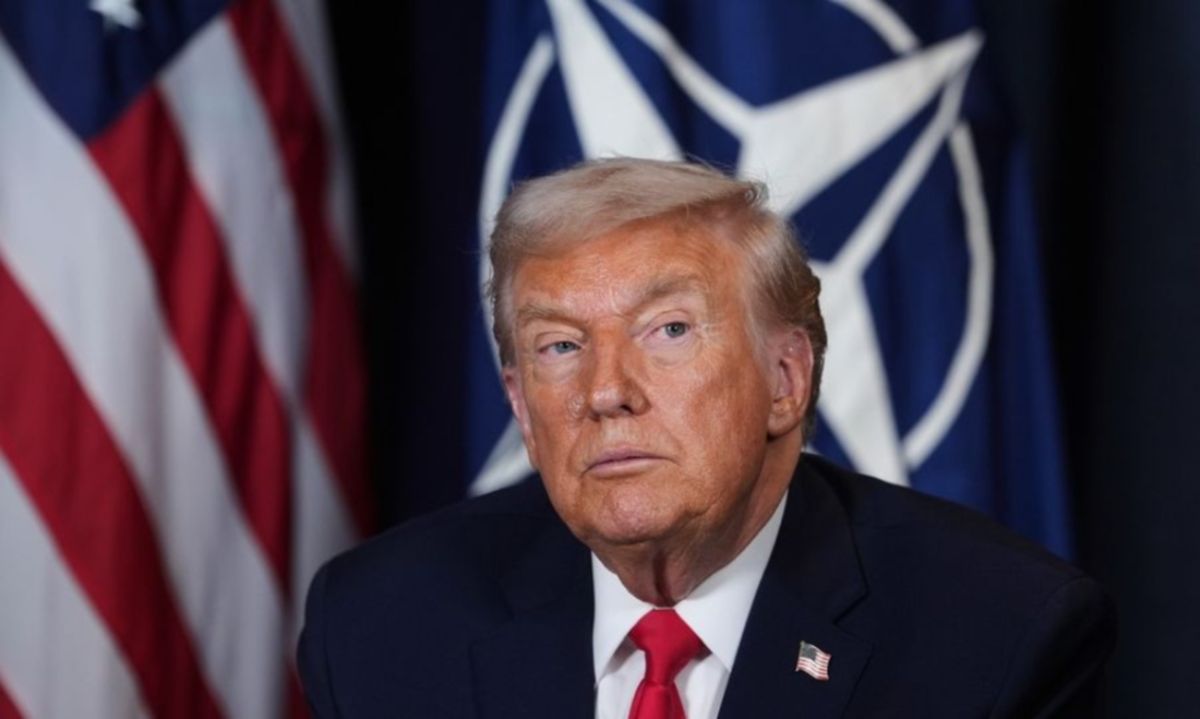
Πηγή Φωτογραφίας: AP Photo//Europe Drafts NATO “Plan B” as U.S. Commitment Wavers Under Trump Pressure



Europe is entering a decisive strategic phase: for the first time since the Cold War, it is openly preparing contingency plans for collective defense without relying on the United States.
According to reporting by the Wall Street Journal, European governments are accelerating a NATO “fallback plan” in case Donald Trump scales back or withdraws U.S. commitments to the Alliance. The move reflects growing concern that Washington’s security guarantees—long the backbone of European defense—can no longer be taken for granted.
This shift is not theoretical. It is driven by escalating geopolitical stress, particularly the 2026 confrontation involving Iran, which has exposed deep divisions between the U.S. and its European allies.
The Breaking Point: Iran and Alliance Friction
Tensions escalated when several European NATO members refused to support U.S.-led military measures against Iran, including maritime operations linked to the Strait of Hormuz. The refusal marked a rare and highly visible split within NATO.
Trump reacted sharply, warning that the Alliance might not support the United States in the future—raising doubts about the principle of collective defense itself.
At the same time, discussions reportedly emerged within U.S. policy circles about reducing troop deployments in Europe, particularly in countries perceived as uncooperative. Such a move would fundamentally alter the continent’s security architecture.
Europe’s Emerging Defense Concept
In response, key European powers—including France, Germany, and the United Kingdom—are working on frameworks for greater military autonomy.
The evolving plan includes:
- European-led command structures within or alongside NATO frameworks
- Expanded joint capabilities and rapid deployment forces
- Reduced operational dependence on U.S. logistics and intelligence
One concrete example is a proposed European naval mission to secure maritime routes in the Strait of Hormuz after the Iran conflict. The initiative would focus on mine-clearing and escort operations, deliberately structured without U.S. participation to avoid escalation while safeguarding trade flows.
Statements Reflecting a Strategic Rift
Senior officials have signaled the depth of the divide:
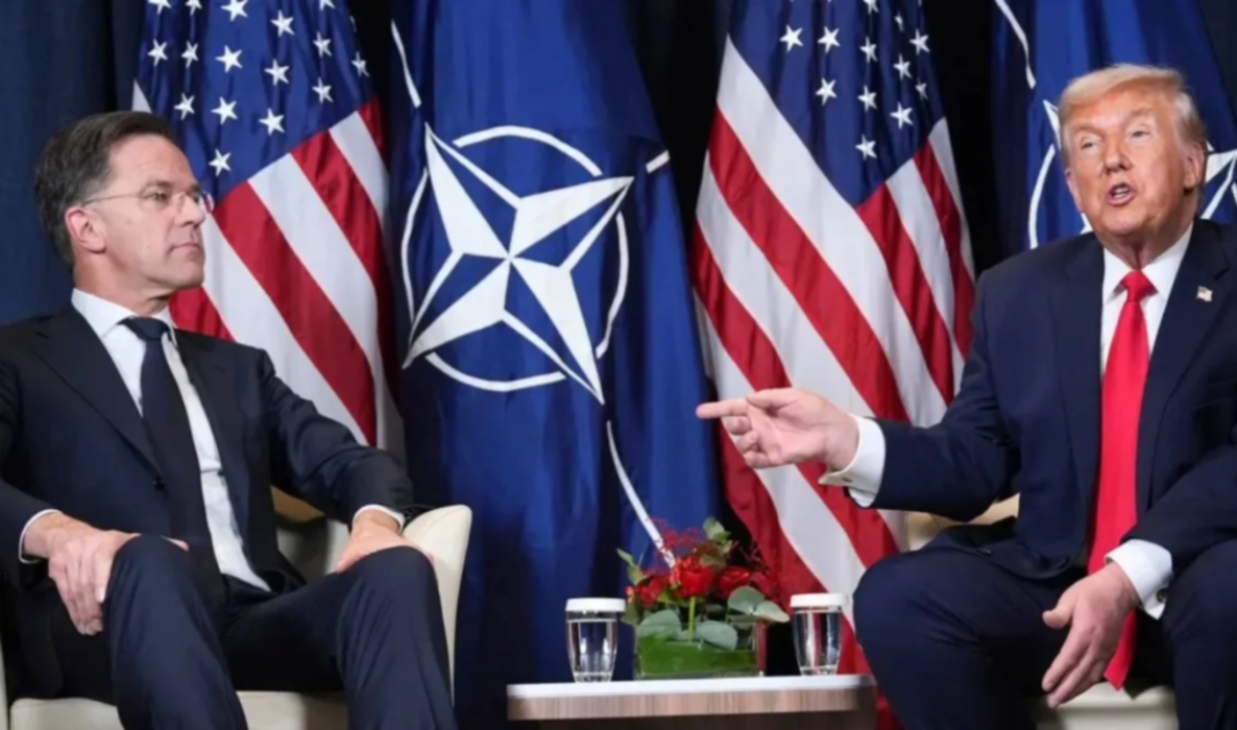
- Mark Rutte acknowledged that Trump is “clearly disappointed” with European allies.
- European policymakers have emphasized the need to avoid automatic alignment with U.S. military actions.
- Economic officials in the U.K. warned that escalation with Iran carries severe global financial risks.
These statements reflect not just tactical disagreements, but a broader reassessment of transatlantic relations.
The Bigger Picture: Toward Strategic Autonomy
The concept of “European strategic autonomy” has circulated for years. What is changing now is urgency.
Europe increasingly views three risks as immediate:
- Potential U.S. disengagement or conditional security guarantees
- Unilateral American military actions that drag allies into unwanted conflicts
- Structural overdependence on U.S. defense infrastructure
Even NATO leadership has acknowledged Europe’s “unhealthy dependence” on American capabilities—a vulnerability now being actively addressed.
The Western alliance is not collapsing, but it is undergoing a profound transformation.
Europe is no longer merely debating autonomy—it is operationalizing it.
The critical question is no longer whether Europe can defend itself independently, but whether it can build credible capabilities before political uncertainty in Washington reshapes NATO irreversibly.
Source: pagenews.gr
Διαβάστε όλες τις τελευταίες Ειδήσεις από την Ελλάδα και τον Κόσμο