
UK rejects participation in blockade plan
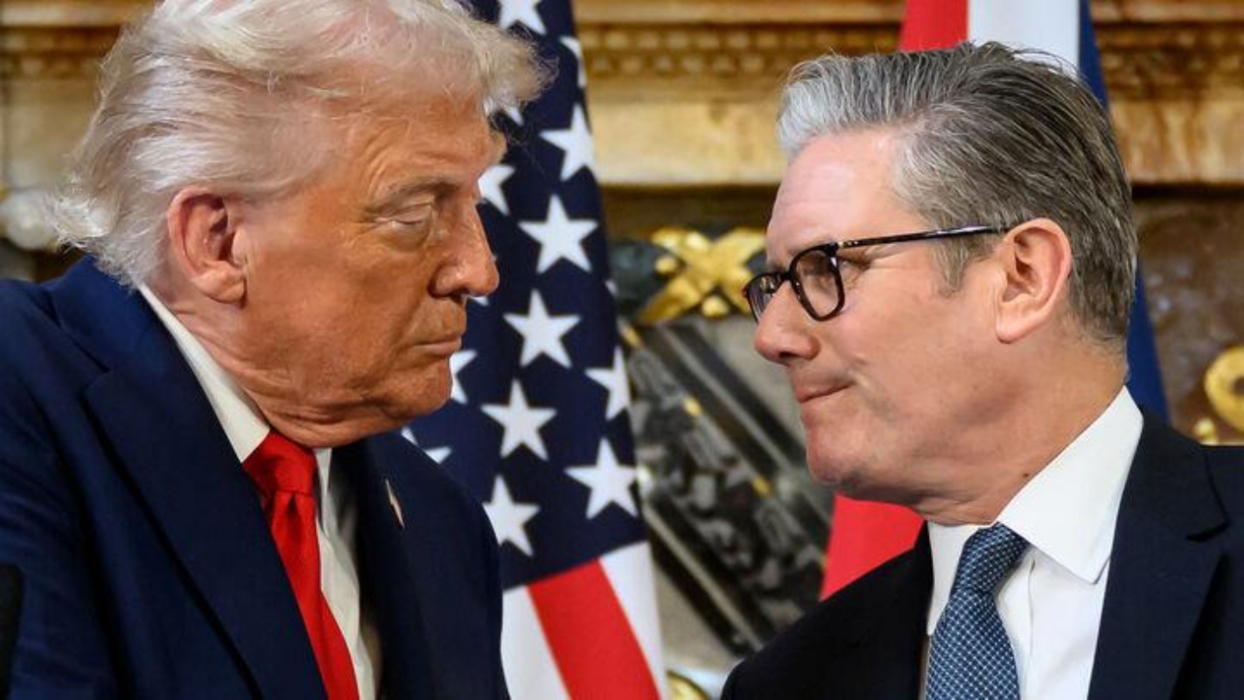
British Prime Minister Keir Starmer has made clear that the United Kingdom will not join or actively support a proposed U.S. naval blockade of the Strait of Hormuz, despite growing pressure from Washington.
The plan, announced by U.S. President Donald Trump, seeks to restrict maritime traffic to and from Iranian ports following the collapse of peace negotiations and escalating regional conflict.
According to British government sources, London’s priority remains the protection of freedom of navigation and the prevention of further escalation in a waterway critical to global energy supplies.
Strategic split inside NATO
The decision highlights widening divisions within NATO, as several allies also hesitate to join the operation, citing legal, economic, and geopolitical risks.
While the United States moves toward direct enforcement actions at sea, European partners are instead pushing for diplomatic containment and limited maritime protection missions rather than a full blockade.
The Strait of Hormuz remains a strategic chokepoint through which a significant share of global oil flows, making any disruption highly sensitive for global markets.

Starmer’s position: de-escalation and economic stability
Starmer has emphasized that Britain will not be drawn into military escalation without a clear legal framework and defined international mandate.
His stance reflects growing concern in London over the domestic economic impact of the conflict, particularly rising energy and fuel prices linked to instability in global shipping routes.
British officials argue that maintaining open maritime passage is essential both for global trade stability and for limiting inflationary pressure on UK households.
Trump’s pressure and hardline approach
President Trump has argued that stronger military measures are necessary to prevent Iran from controlling or monetizing passage through the strait, framing the blockade as part of a broader strategy to economically isolate Tehran.
The U.S. position has drawn mixed international reactions, with some allies expressing support for containment efforts, while others warn of uncontrolled escalation.
Escalating geopolitical crisis
The dispute over the blockade comes amid a broader regional confrontation that has already disrupted global energy markets and heightened military tensions across the Middle East.
Analysts warn that the divergence between Washington and key European allies could signal a deeper strategic split over the future of NATO’s role in crisis management outside Europe.
International reactions
European Commission officials have called for restraint and renewed diplomatic engagement, stressing the importance of maintaining global energy stability.
At the same time, global markets have reacted sharply to the escalating uncertainty, with energy prices fluctuating in response to fears of supply disruption.
The UK’s refusal to join the U.S. blockade underscores a growing transatlantic divide over strategy, legality, and risk management in one of the world’s most sensitive maritime corridors, setting the stage for further diplomatic friction within NATO
Source: pagenews.gr