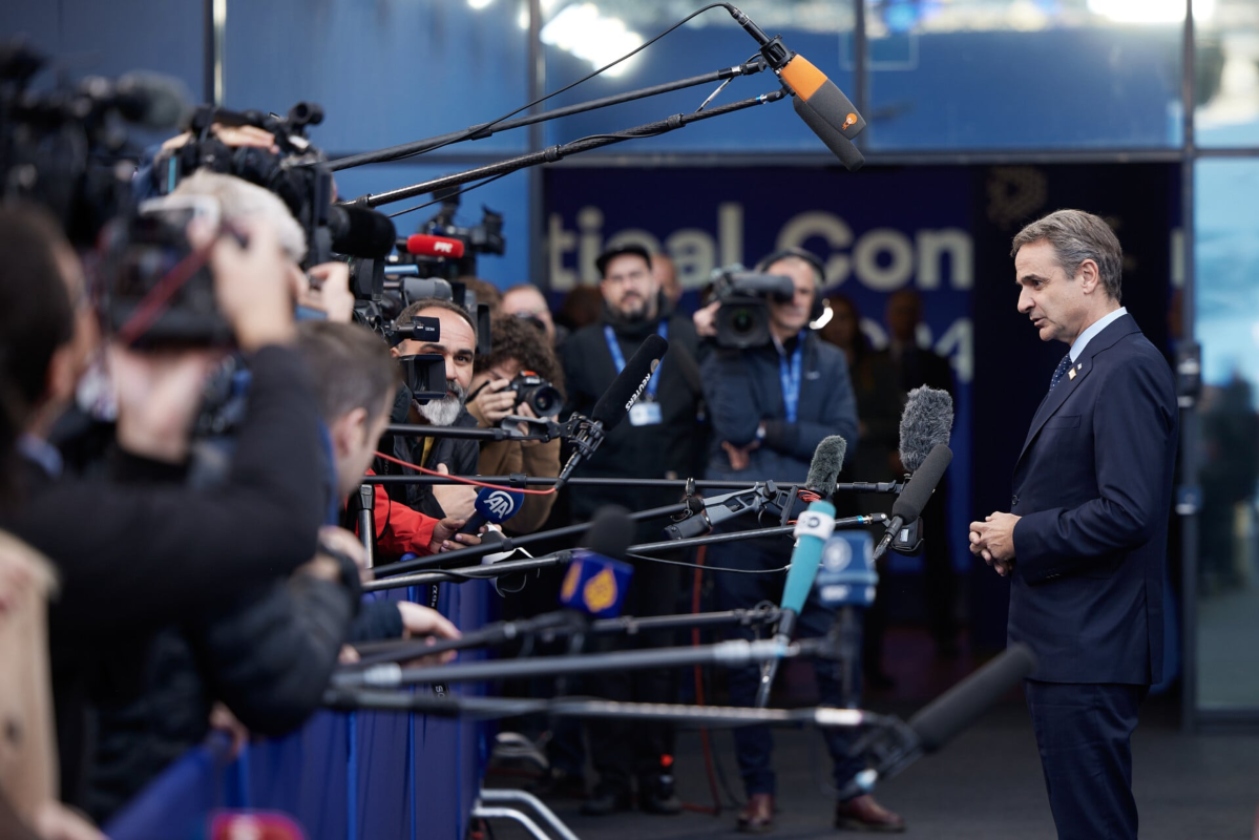
In a strongly worded political intervention from Nicosia, Greek Prime Minister Kyriakos Mitsotakis highlighted a shifting geopolitical reality for the European Union, placing strategic autonomy and defence independence at the centre of the bloc’s future direction.
Speaking ahead of the informal EU Summit in Cyprus, Mitsotakis emphasized that the Union has now demonstrated in practice that it can stand by its member states in times of crisis.“Europe can defend its member states even without the direct involvement of third parties,” he stated, sending a clear signal about the EU’s evolving security identity.
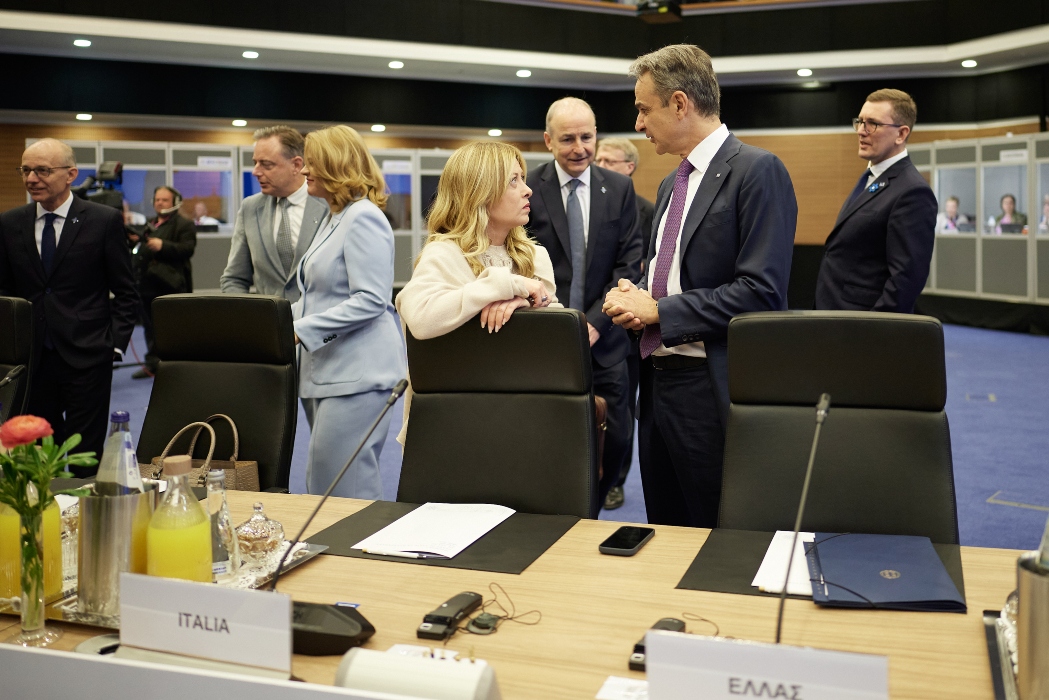

STRATEGIC AUTONOMY AT THE CORE
The Greek Prime Minister focused heavily on the concept of European strategic autonomy, arguing that the EU must transition from a primarily economic union into a fully capable geopolitical actor.
He also referred to the importance of strengthening mutual defence mechanisms within the bloc, including the operational use of Article 42(7) of the EU treaties.
“European solidarity must acquire real operational substance, not remain a purely political declaration,” Mitsotakis stressed.
WHY NICOSIA MATTERS
The choice of Cyprus as the summit location carries strong symbolic and geopolitical weight. Situated in a region marked by ongoing tensions in the Eastern Mediterranean, the island serves as a strategic crossroads between Europe, the Middle East, and North Africa.
Diplomatic sources suggest the discussions focused on three key pillars:
- Security and European defence integration
- Energy stability in the Eastern Mediterranean
- Institutional strengthening of the EU

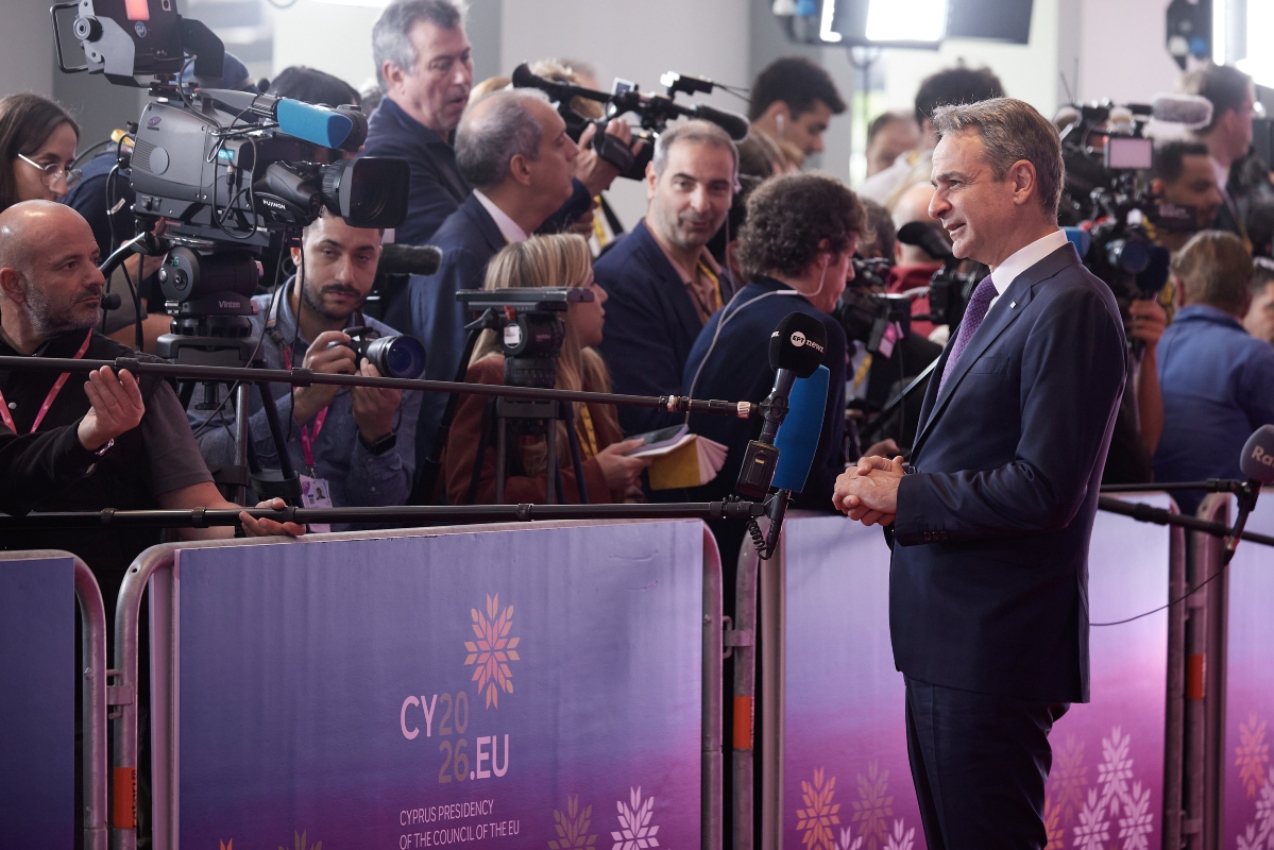
POLITICAL CONTEXT AND SUBTEXT
Mitsotakis’ remarks come at a time when Europe is increasingly reassessing its global role amid:
- ongoing geopolitical tensions involving Russia
- uncertainty in Middle Eastern security dynamics
- shifting transatlantic relations with the United States
Analysts interpret his message as part of a broader push for:
- A stronger European defence identity
- Reduced dependency on external security actors
- Enhanced roles for strategically positioned member states such as Greece and Cyprus
THE BIG EUROPEAN QUESTION
The debate at the heart of the summit is no longer theoretical: Can the European Union evolve into a fully autonomous geopolitical power?
The emerging consensus points toward:
- deeper defence integration
- stronger institutional coordination
- improved crisis-response capabilities
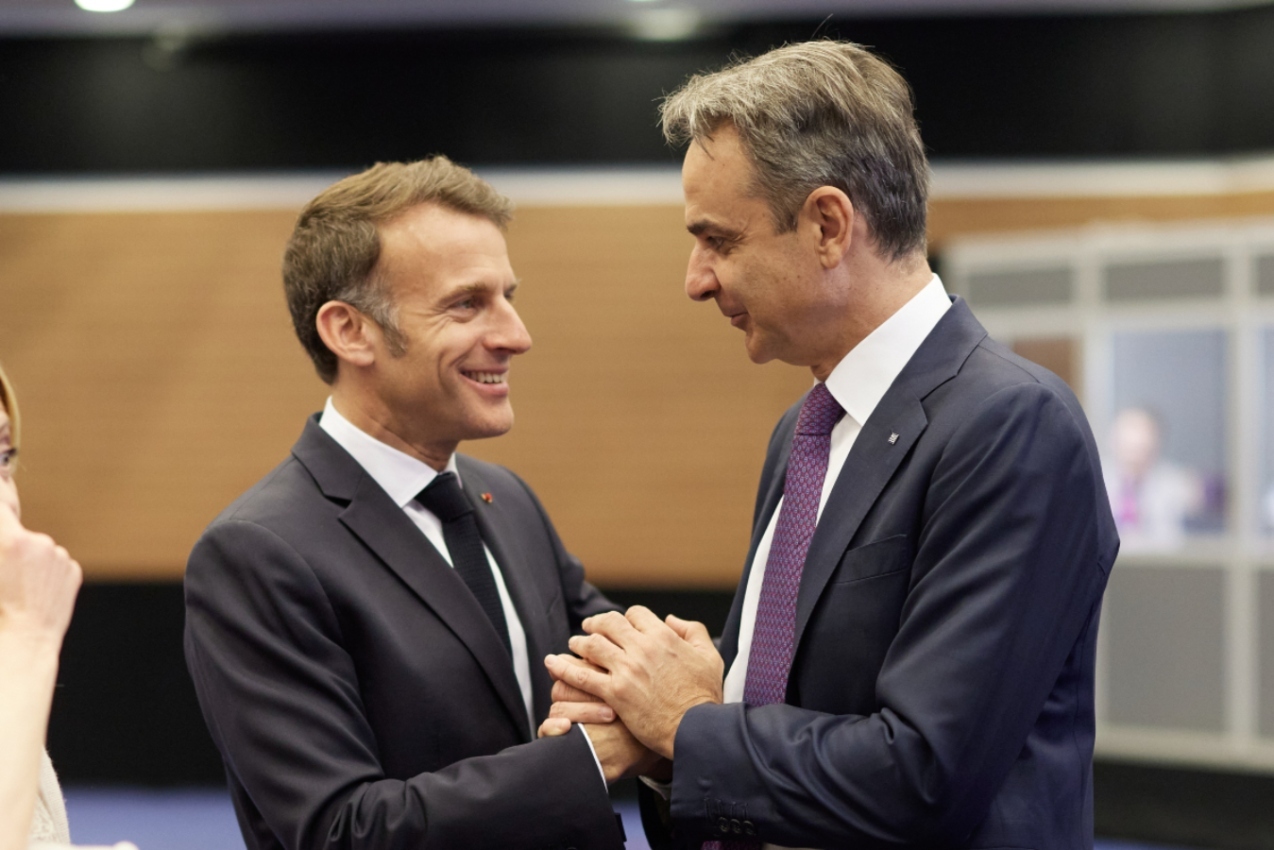
Mitsotakis’ intervention reflects a broader strategic shift within the EU. Europe is no longer only discussing economic resilience—it is now actively redefining itself as a potential security actor in a fragmented global order.
The message from Nicosia is therefore not only diplomatic, but also strategic: Europe is being pushed to decide whether it will remain dependent on external powers or become a self-sufficient geopolitical bloc.
Source: pagenews.gr