SOUTHERN EU FRONT: Greece–Cyprus–Italy–Malta coordinate to prevent a 2015-style migration crisis
 ΧΡΟΝΟΣ ΑΝΑΓΝΩΣΗΣ 3 '
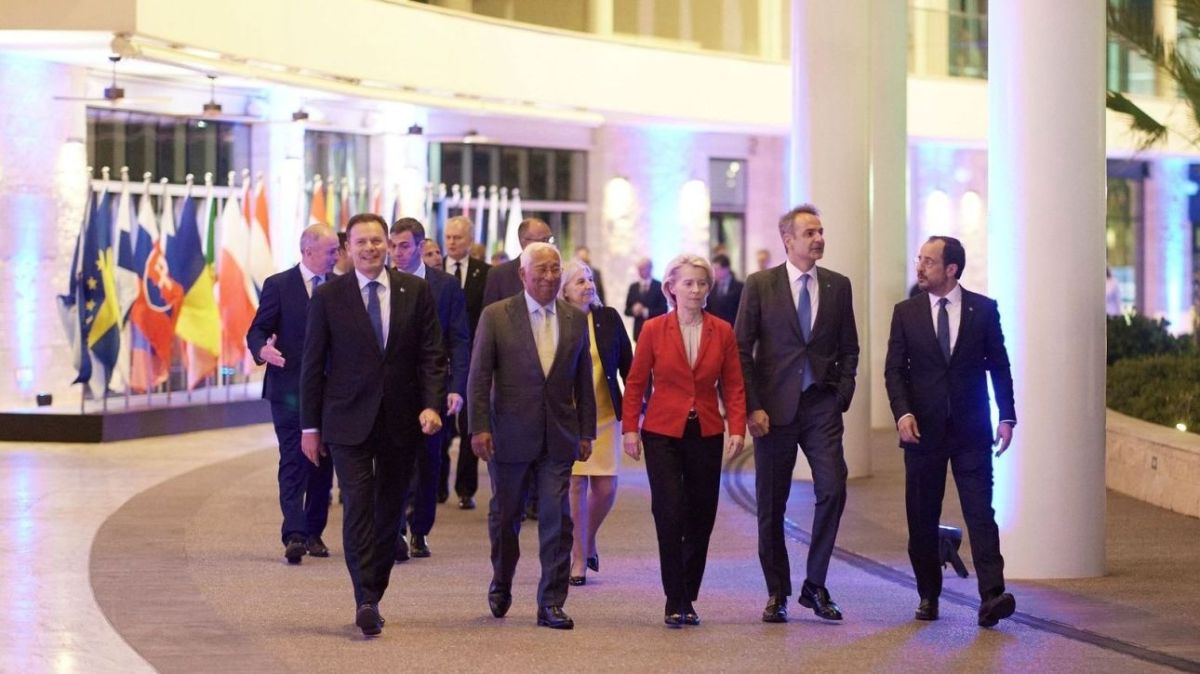
Πηγή Φωτογραφίας: AP Photo//SOUTHERN EU FRONT: Greece–Cyprus–Italy–Malta coordinate to prevent a 2015-style migration crisis



Key Takeaways
- Greece, Cyprus, Italy, and Malta coordinate to prevent a new migration surge
- Main goal: avoid a repeat of the 2015 migration crisis
- Focus on strengthening EU external borders and maritime surveillance
- Strong call for a common EU migration strategy with the European Commission
- Emphasis on prevention rather than crisis response
- Diplomatic effort linked to stabilizing the Middle East to reduce push factors
- Southern EU states act as a frontline coalition shaping migration policy
Amid rising instability in the Middle East, Greece, Cyprus, Italy, and Malta held a four-way summit aimed at preventing a repeat of the 2015 migration crisis.
The meeting took place in Ayia Napa, on the margins of an informal European Council session, focusing on how to manage potential migration flows triggered by conflicts in the broader Middle East.
Core objective: avoid a repeat of 2015
In their joint declaration, the four countries emphasized the need to:
- prevent uncontrolled migration flows into Europe
- strengthen coordination at the EU’s external borders
- ensure a common European approach to migration management
The reference to 2015 is politically significant, recalling a period when large-scale arrivals exposed deep divisions within the EU.
What was agreed
The summit outlined three main pillars:
1. Coordinated external border management
- stronger surveillance and operational coordination
- improved maritime monitoring in the Mediterranean
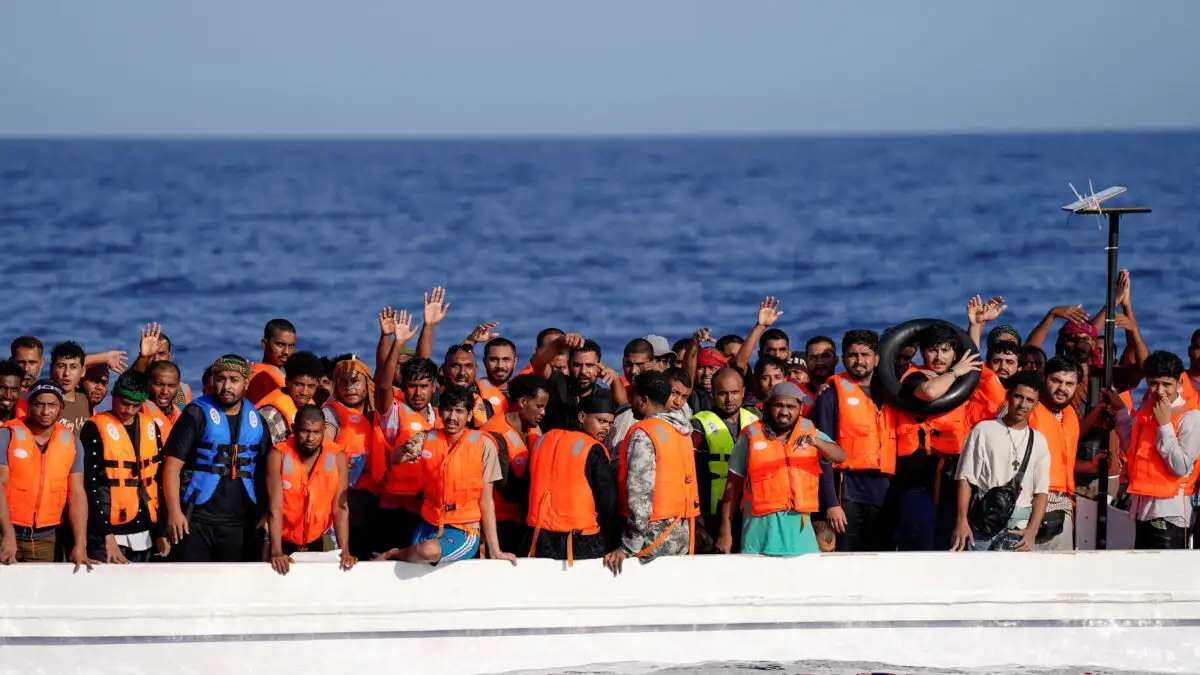
- enhanced readiness for sudden inflows
2. EU-level cooperation
- closer work with the European Commission
- alignment of national policies with EU frameworks
- integration of national efforts into broader EU mechanisms
3. Diplomatic dimension
- push for rapid de-escalation in the Middle East
- support for affected populations to reduce displacement pressure
- cooperation with regional partners to stabilize migration drivers
Strategic context: pressure on Europe’s southern border
The four countries share a key geopolitical reality:
- they are frontline EU states exposed to maritime migration routes
- instability in the Middle East directly impacts their borders
- they face both political and logistical pressure in managing arrivals
This makes them natural advocates for a more preventive and centralized EU migration strategy.

Political message from the summit
The joint statement sends a clear signal to Brussels and EU partners:
migration must be treated as a structural, long-term European security issue—not a crisis-driven reaction mechanism
Key implications:
- border management is now framed as a collective EU responsibility
- southern states are pushing for stronger solidarity mechanisms
- prevention (not reaction) is the new policy focus
The Greece–Cyprus–Italy–Malta initiative reflects a broader shift in European migration politics: from fragmented national responses toward coordinated pre-crisis planning.
The core objective is simple: stop a 2015-style shock before it starts.
Source: pagenews.gr
Διαβάστε όλες τις τελευταίες Ειδήσεις από την Ελλάδα και τον Κόσμο