Greece has officially submitted a new dual payment request to the European Commission worth €1.63 billion under the Recovery and Resilience Facility (RRF), in what is increasingly becoming one of the government’s most critical political and economic tests ahead of the next European evaluations.
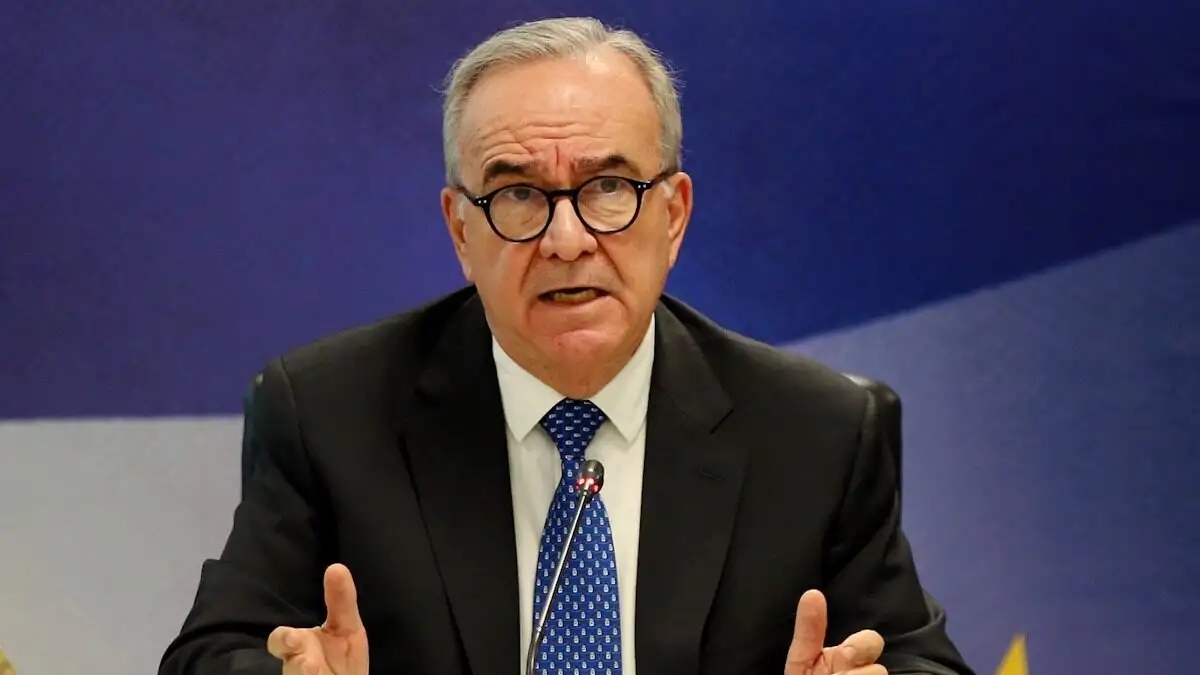
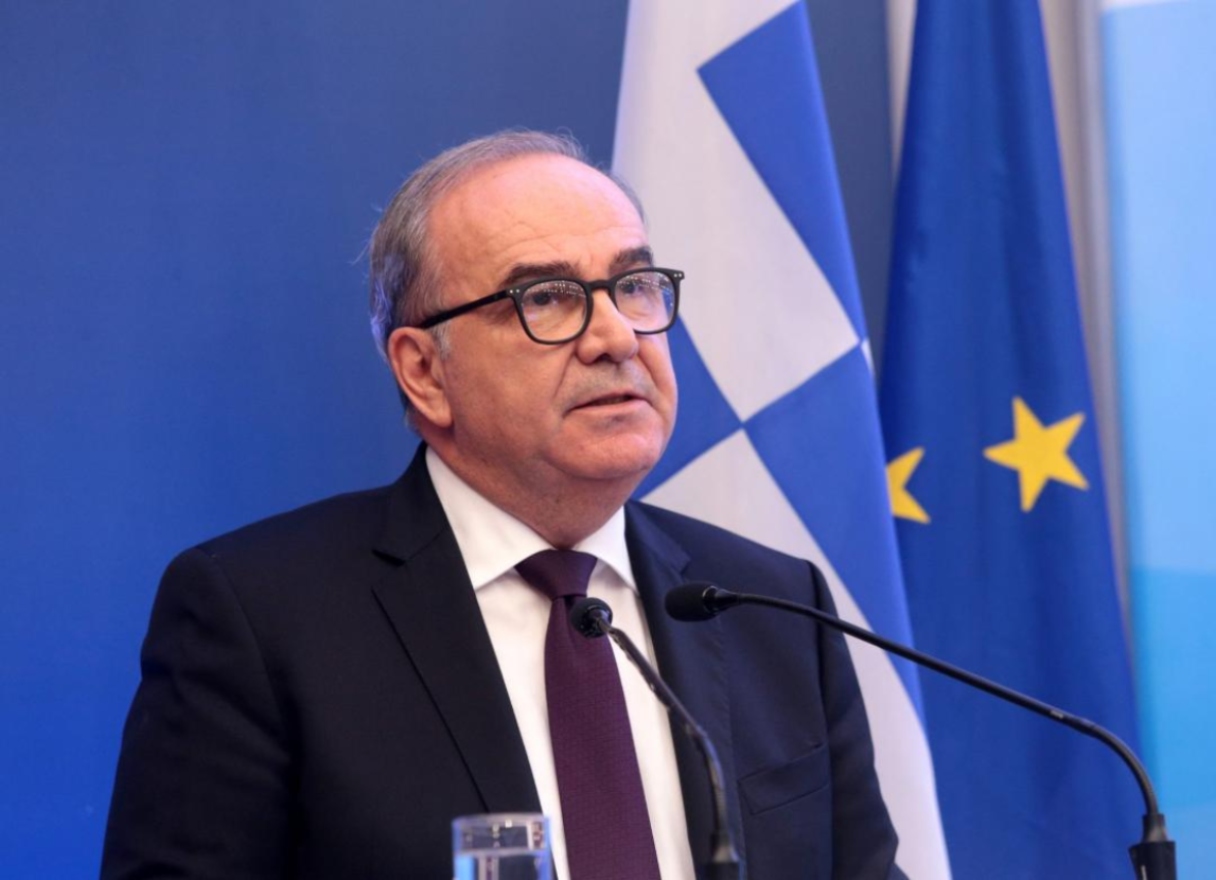
The request — filed just before Alternate Minister of National Economy and Finance Nikos Papathanasis was due to brief the Cabinet on the progress of the Recovery Fund — concerns the country’s 8th grant disbursement request and the 7th loan request under the EU recovery mechanism.
At stake are 34 milestones and targets, tied to reforms and investment projects that Athens argues are transforming the Greek economy, public administration and infrastructure.
Brussels money, political pressure
Inside the Greek government, officials understand that the Recovery Fund is no longer viewed simply as a European financing mechanism.
It has become:
- the backbone of the government’s growth narrative,
- a key signal to international markets,
- and a major political credibility test for Prime Minister Kyriakos Mitsotakis’ administration.
Government officials privately admit that delays in implementation could damage both investor confidence and Greece’s reform image in Brussels.
“If Recovery Fund projects slow down, political momentum slows down as well,” one senior government source noted.
The 34 milestones unlocking the billions
Of the 34 targets included in the latest request:
- 32 milestones relate to grants,
- while 2 milestones concern loan mechanisms and investment financing.
The projects span several strategic sectors.
Healthcare overhaul
A major part of the package focuses on the modernization of Greece’s healthcare system.
Key measures include:
- renovation works in 19 hospitals,
- energy upgrades and chronic disease management units in 40 health centers,
- operation of eight advanced home-care units,
- expansion of telemedicine infrastructure and patient registry systems.
The government is also highlighting a €300 million reduction in pharmaceutical clawback costs since 2020 as proof of structural reform in the healthcare sector.
Still, healthcare professionals warn that public hospitals remain under severe operational pressure despite the inflow of EU funds.

Jobs, housing and social policy
The package also includes measures targeting employment and social cohesion.
Among the key initiatives:
- hiring programs involving 36,000 unemployed citizens,
- digital upgrades for Greece’s public employment service (DYPA),
- training and certification of 225,000 civil servants in digital and administrative skills.
Housing policy is also emerging as a politically sensitive issue.
The government announced the renovation of 50 social housing apartments in Athens and Thessaloniki, alongside a new social compensation framework aimed at utilizing public property to support affordable housing projects.
With housing prices and rents continuing to rise sharply across urban Greece, the issue is rapidly becoming one of the country’s most pressing economic concerns.
AI, digital state and land registry
Athens is also attempting to position itself as a regional player in digital governance and artificial intelligence.
Among the milestones:
- completion of the national property cadastre,
- establishment of the AI Pharos initiative,
- digital transformation projects for tourism and migration services,
- strengthened cybersecurity systems.
Officials describe the AI Pharos project as a strategic step toward integrating artificial intelligence and data management tools into public administration and the wider economy.
Railways, energy and infrastructure
Another major section of the request focuses on infrastructure resilience and energy transition.
Measures include:
- a new multiannual railway investment framework,
- seismic inspections for more than 20,000 public buildings,
- new rules supporting energy storage and hybrid renewable energy projects,
- systems aimed at combating illegal trade,
- a strategic roadmap for renewing Greece’s aging ferry fleet.
The railway reforms carry additional political weight following years of criticism over safety and infrastructure failures.
Markets demand delivery, not announcements
While the Greek government presents the Recovery Fund as a major success story, investors and European institutions are increasingly focused on implementation rather than announcements.
International markets want:
- signed contracts,
- project execution,
- measurable absorption rates,
- and real economic impact.
Greece has so far maintained one of the strongest Recovery Fund absorption performances in Europe, but officials acknowledge that upcoming deadlines will become progressively harder to meet.
The loan mechanism and private capital
The 7th loan request is linked to:
- the contracting of €11.5 billion in Recovery Fund loan resources,
- and the creation of new investment vehicles worth €600 million through the Hellenic Development Bank of Investments and private capital participation.
The objective is to stimulate investments in:
- venture capital,
- green energy,
- logistics,
- industry,
- and technology.
However, banking sources continue to warn that many small and medium-sized businesses still face significant barriers in accessing financing.
The next battle
For Athens, the Recovery Fund represents far more than a stream of European money.
It is effectively the central pillar of Greece’s post-crisis economic transformation strategy.
But pressure is mounting:
- EU oversight is intensifying,
- deadlines are tightening,
- and expectations from society and markets continue to rise.
Because ultimately, the key question is not how many billions are approved in Brussels.
It is how much of that money reaches the real economy — businesses, infrastructure and everyday citizens.
Source: pagenews.gr