IMEC: Washington Elevates Greece’s Role in the New Geoeconomic Order
 ΧΡΟΝΟΣ ΑΝΑΓΝΩΣΗΣ 6 '
Πηγή Φωτογραφίας: IMEC: Washington Elevates Greece’s Role in the New Geoeconomic Order



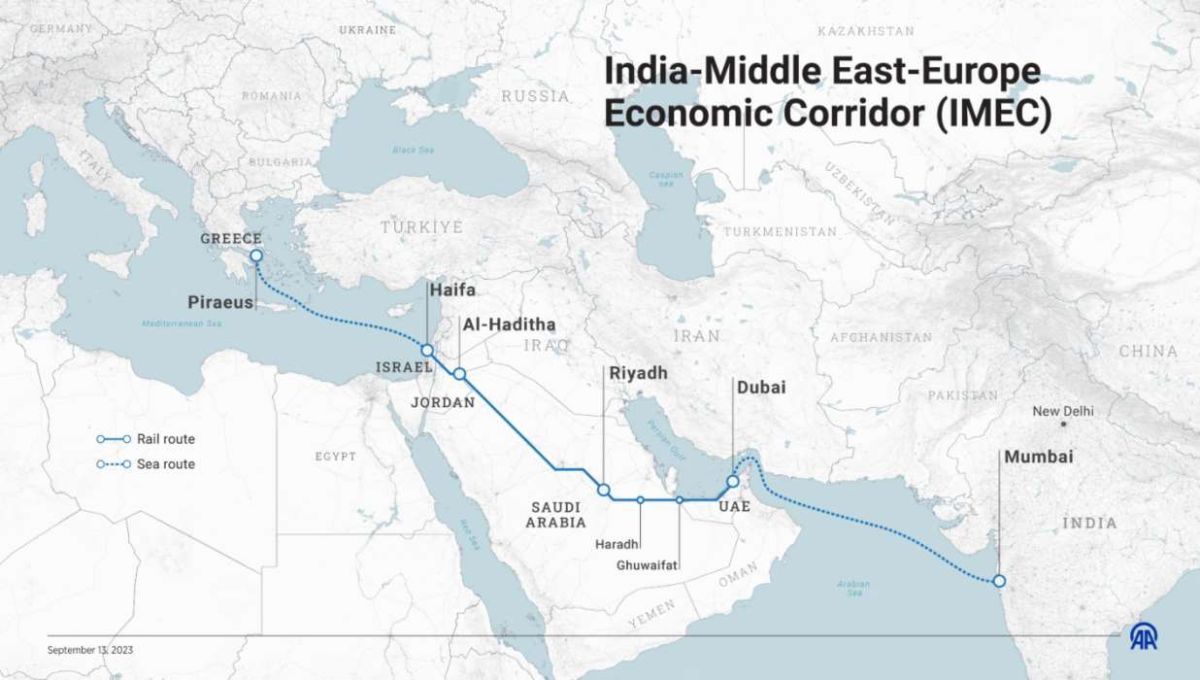
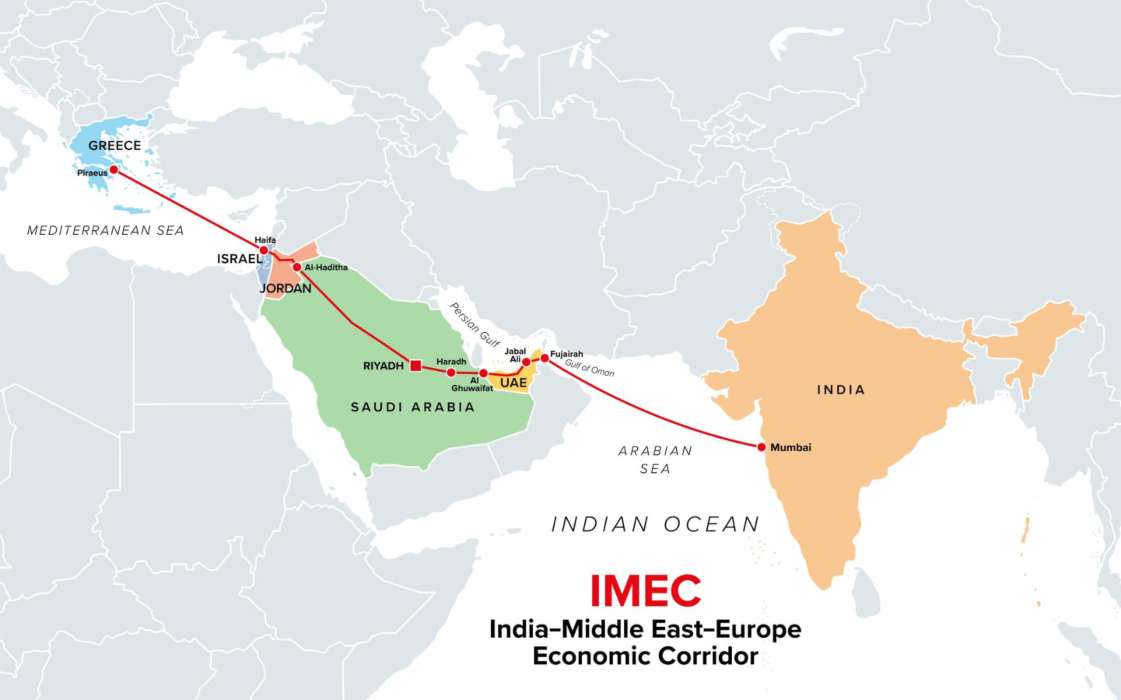
A major geopolitical shift is taking shape in the Eastern Mediterranean, with Greece emerging as a key pillar of the ambitious India–Middle East–Europe Economic Corridor (IMEC). The approval of the Eastern Mediterranean Gateway Act by the U.S. Senate Foreign Relations Committee marks a significant step toward institutionalizing Washington’s strategic vision for the region and strengthening Greece’s position within a new network of trade, energy, and digital connectivity linking Asia, the Middle East, and Europe.
More than a symbolic move, the legislation reflects a broader American effort to establish the Eastern Mediterranean as a strategic gateway connecting Europe to the IMEC framework. In doing so, it elevates the geopolitical importance of Greece, Cyprus, and Israel while embedding the region more firmly into U.S. economic and security planning.
Greece Becomes a Strategic Hub
For Athens, the development represents a major strategic opportunity. Greece is increasingly being viewed not merely as an energy transit country but as a critical node for commercial flows, logistics networks, telecommunications infrastructure, investment routes, and regional connectivity.
Its geographic location, combined with significant upgrades to ports, transport corridors, and energy infrastructure, places the country at the center of efforts to reshape trade routes between Europe and Asia.
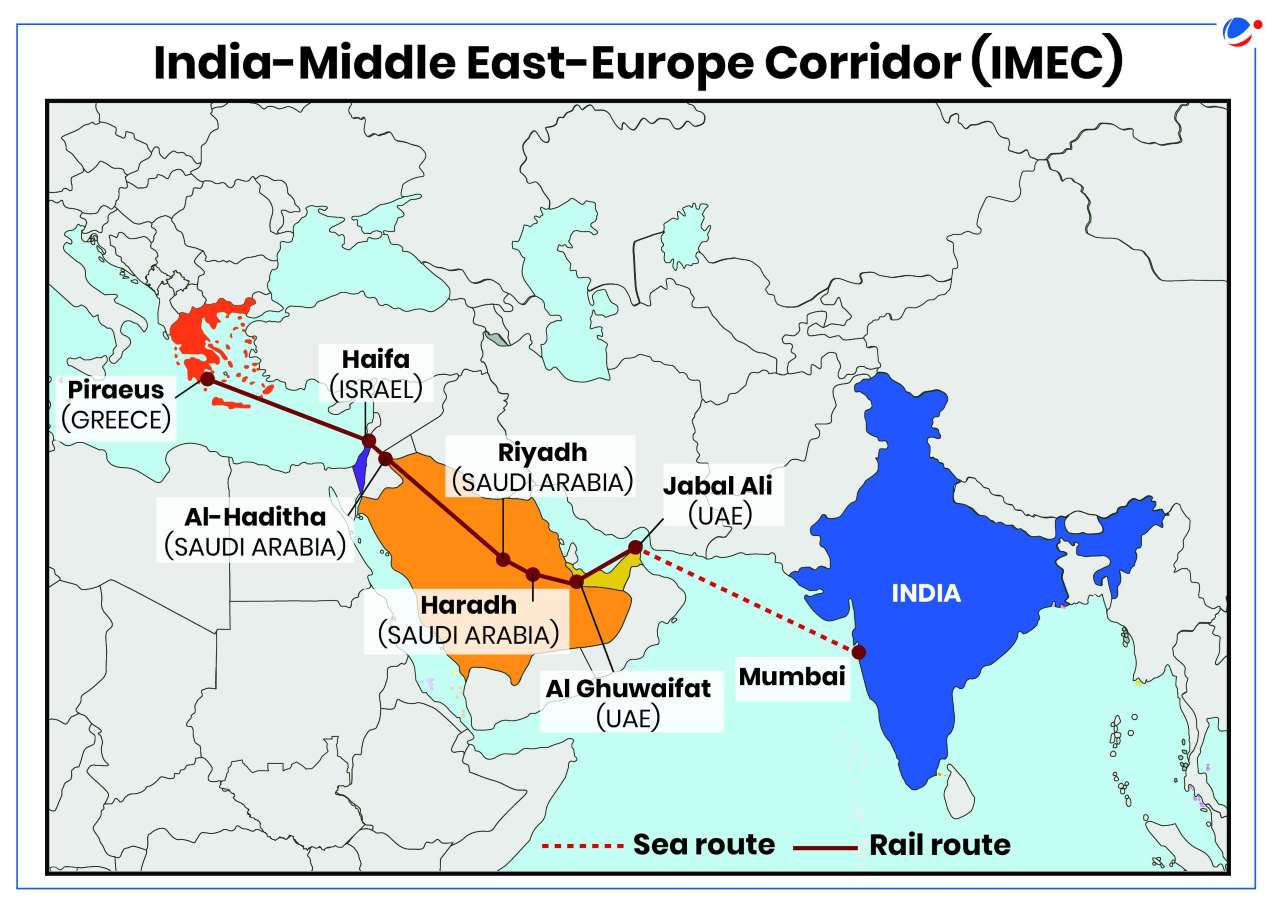
The IMEC initiative, unveiled during the G20 Summit in New Delhi in 2023, is widely regarded as one of the most significant Western-backed connectivity projects in decades. It aims to establish a modern corridor linking India and the Gulf states to Europe through railways, ports, energy networks, and digital infrastructure, offering an alternative to existing global trade routes.
In this emerging framework, Greece is positioned as one of Europe’s principal entry points.
Infrastructure Projects Driving the Vision
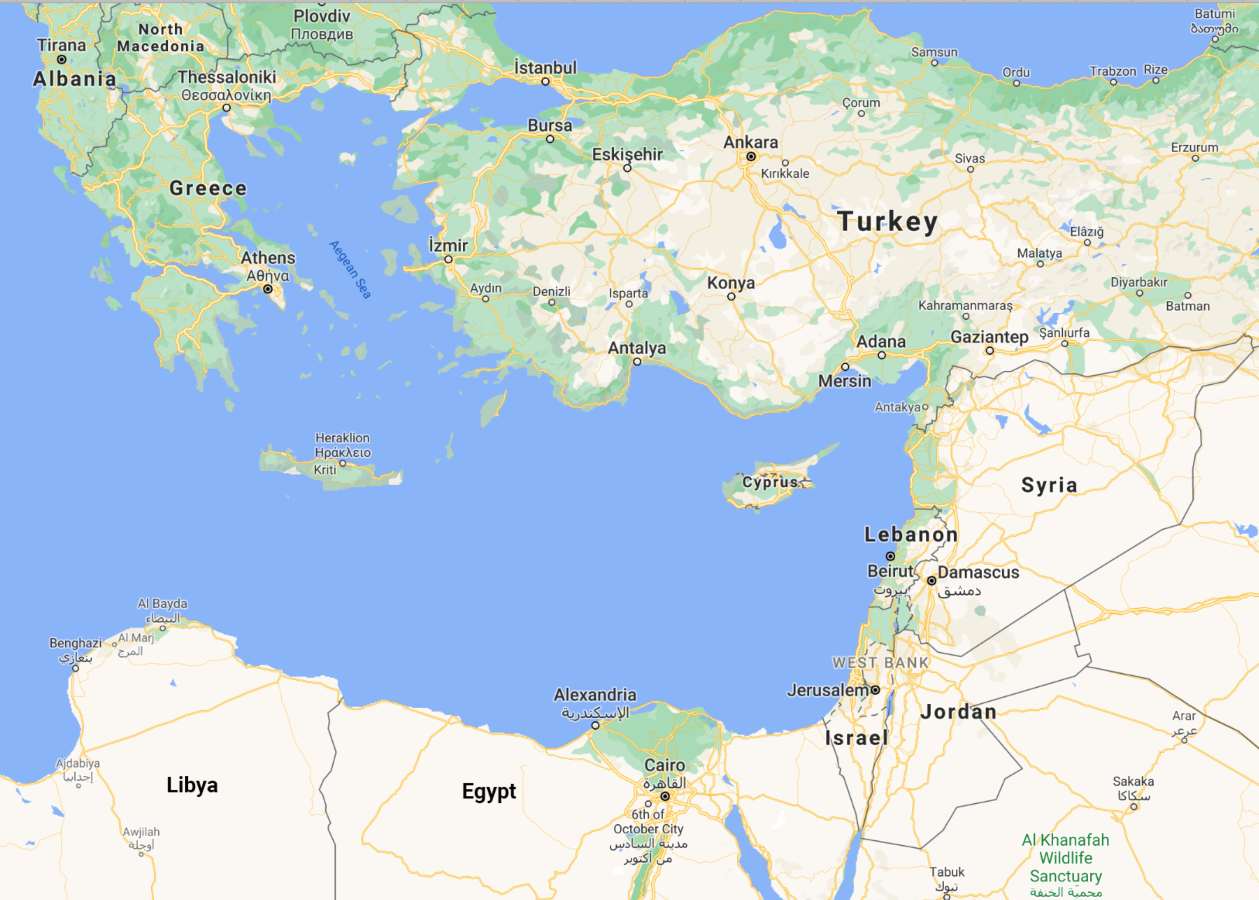
At the core of Washington’s interest are several strategic infrastructure projects that could transform the Eastern Mediterranean into a major energy and transportation hub.
Among the most important is the Great Sea Interconnector, the electricity link connecting Greece, Cyprus, and Israel. The project is considered essential for integrating Eastern Mediterranean energy markets with Europe’s electricity system while enhancing regional energy security.
Another flagship initiative is GREGY, which envisions the transfer of renewable electricity from Egypt to Europe through Greece. If completed, the project would strengthen Europe’s access to clean energy while reinforcing Greece’s role as a gateway for future energy flows.
Additional projects attracting attention include the Greece–Bulgaria natural gas interconnector, LNG terminals, advanced data transmission networks, and transportation infrastructure designed to improve logistics and supply-chain resilience across the region.
Together, these initiatives support a broader vision in which Greece serves as a central platform for energy, trade, and digital connectivity between continents.
A Bipartisan American Initiative
The Eastern Mediterranean Gateway Act has attracted strong bipartisan support in Washington, underscoring the strategic importance attached to the region by both major political parties.
The legislation was initially introduced in the House of Representatives by Democratic Congressman Brad Schneider and Republican Congressman Gus Bilirakis, before being submitted to the Senate by Democratic Senator Cory Booker and Republican Senator David McCormick.
The bill includes several key provisions:
- Recognition of the Eastern Mediterranean as a strategic bridge between Europe, the Middle East, and Asia.
- Strengthening of the “3+1” cooperation framework involving Greece, Cyprus, Israel, and the United States.
- Support for the East Mediterranean Gas Forum and regional energy partnerships.
- Promotion of energy, transportation, and digital infrastructure linked to IMEC.
- Creation of multilateral strategic dialogues among participating countries.
- Annual reporting requirements to Congress on the progress of regional projects and partnerships.
The legislation also encourages the U.S. State Department to place greater emphasis on the Eastern Mediterranean within American foreign policy, particularly regarding energy security, defense cooperation, and the protection of critical infrastructure.
A New Geopolitical Map
The significance of the initiative extends far beyond individual projects. For the first time, U.S. legislation explicitly identifies the Eastern Mediterranean as an integral component of the IMEC strategy and a critical link connecting Europe, the Middle East, and Asia.
The broader objective is to establish a new architecture of connectivity capable of facilitating trade, investment, energy transmission, and digital communications across multiple regions.
As geopolitical competition intensifies and global supply chains are increasingly viewed through a strategic lens, infrastructure has become a tool of power projection and economic influence. In this environment, Greece’s geographic location offers a unique advantage.
Washington’s support reflects a growing belief that the country can play a pivotal role in shaping future trade routes and regional cooperation frameworks.
The Challenge Ahead for Athens
While the legislation represents another important milestone in the deepening strategic relationship between Greece and the United States, political recognition alone will not be enough.
The real challenge for Athens lies in translating geopolitical momentum into tangible economic gains: attracting investment, accelerating infrastructure projects, expanding trade capacity, and positioning itself at the center of the new commercial and energy flows expected to emerge through IMEC.
Should the corridor advance as envisioned, Greece would no longer be viewed solely as a regional actor in Southeastern Europe. Instead, it could become one of the principal gateways connecting Europe with the Middle East and Asia, securing a central place in the evolving geoeconomic landscape of the twenty-first century.
As the United States redraws its strategic map of connectivity across Eurasia, Greece is increasingly emerging not as a peripheral player, but as a cornerstone of the new corridor linking three continents and reshaping global commerce.
Source: pagenews.gr
Διαβάστε όλες τις τελευταίες Ειδήσεις από την Ελλάδα και τον Κόσμο