Jerusalem, Status Quo and Greek Diplomacy: Athens at the Core of Regional Balance
 ΧΡΟΝΟΣ ΑΝΑΓΝΩΣΗΣ 5 '
Πηγή Φωτογραφίας: eurokinissi//Jerusalem, Status Quo and Greek Diplomacy: Athens at the Core of Regional Balance



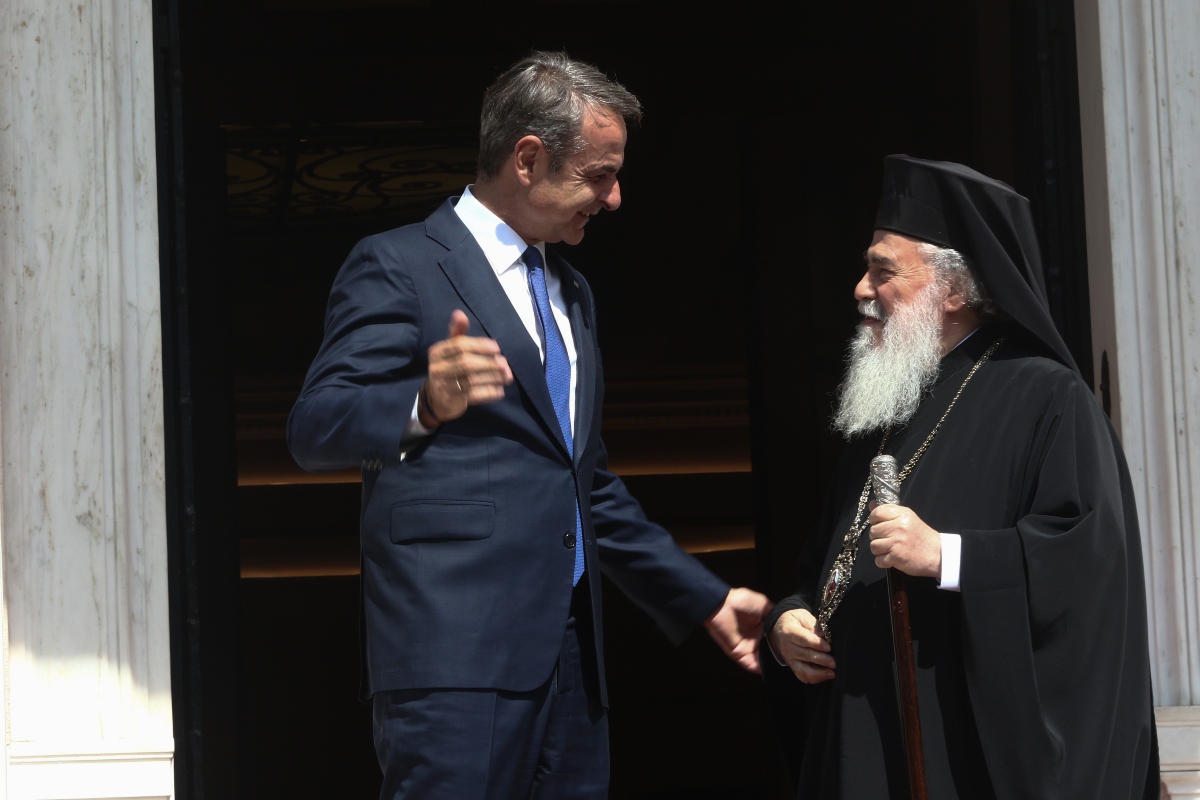
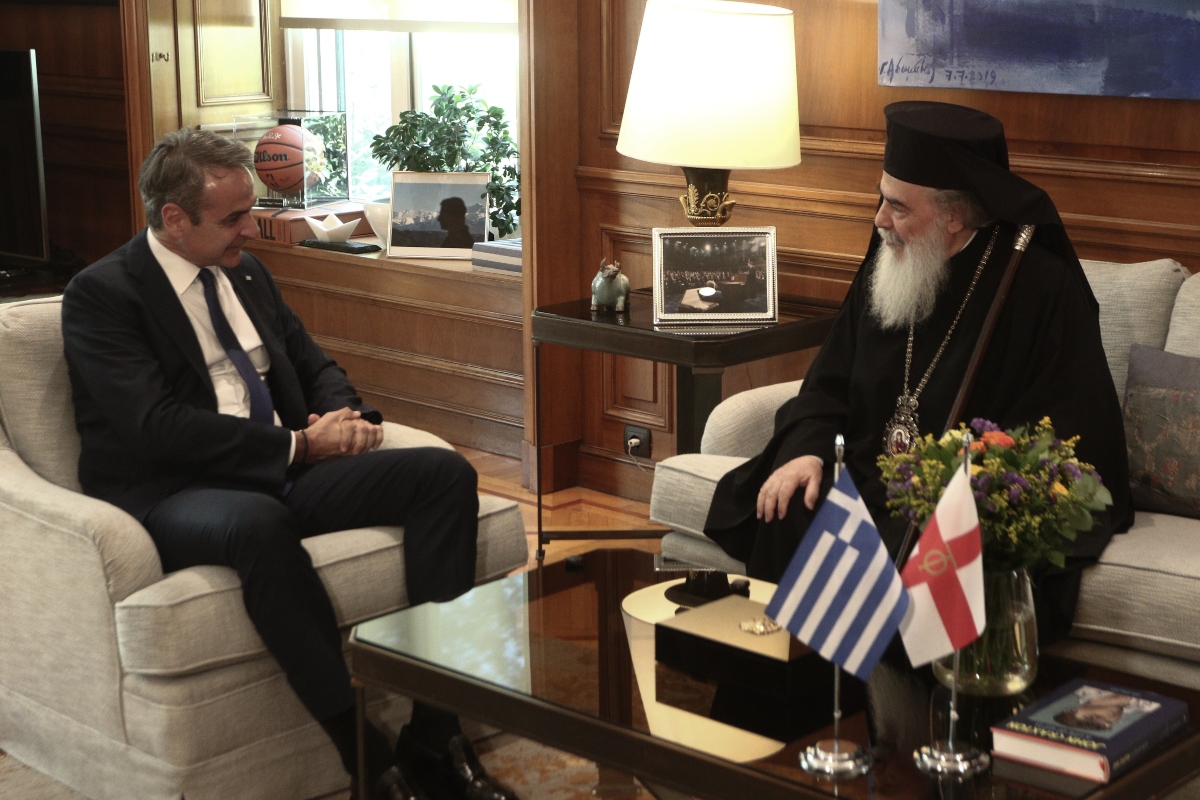
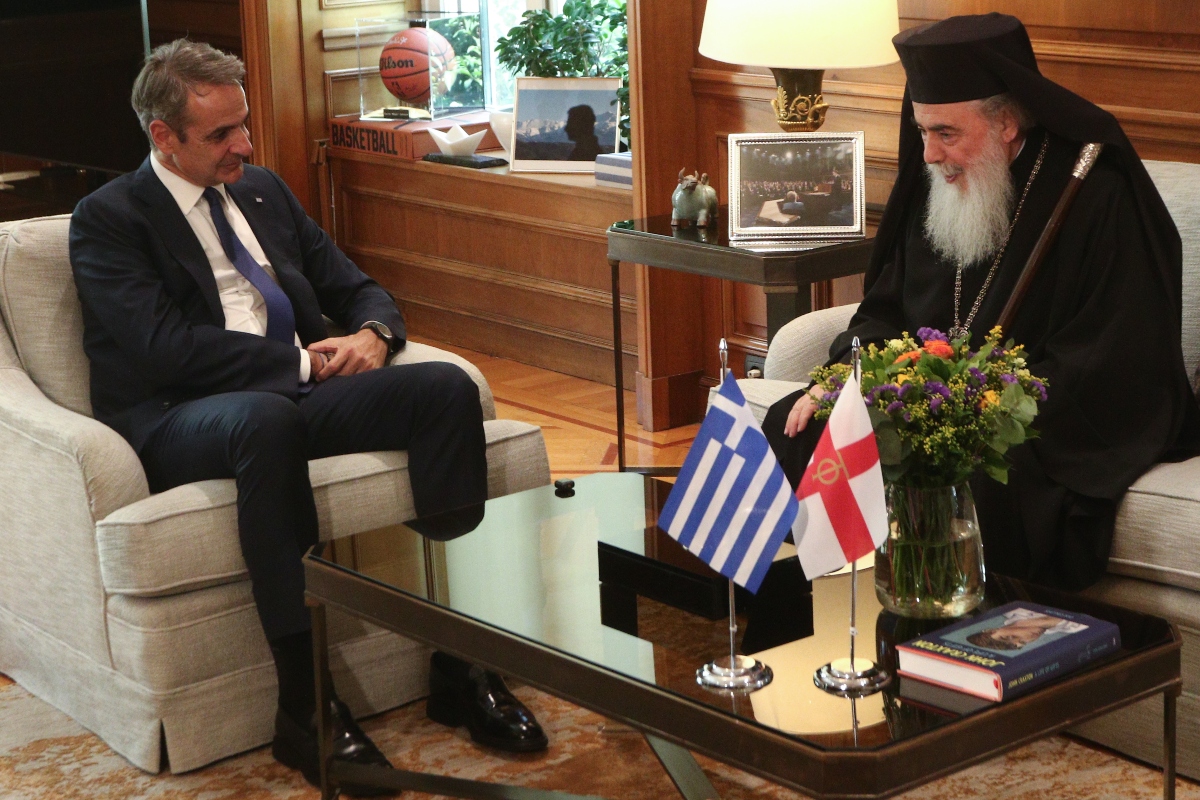
The official visit of Patriarch Theophilos III of Jerusalem to Athens underscores the growing strategic weight of religious diplomacy in the Eastern Mediterranean. Beyond ceremonial protocol, the meetings in the Greek capital highlight a coordinated effort between the Greek state and the Orthodox Church to safeguard the status quo of the Holy Sites, at a moment of heightened instability across the Middle East.
The engagement between the Patriarch, the Greek Prime Minister, the Foreign Minister, and the Archbishop of Athens signals a structured alignment of statecraft, ecclesiastical diplomacy, and geopolitical positioning.
THE STATUS QUO OF JERUSALEM AS A STRATEGIC FRAMEWORK
The “status quo” of the Holy Sites in Jerusalem is not merely a historical arrangement. It functions as a fragile governance architecture regulating access, rights, and responsibilities among religious communities in one of the world’s most contested urban spaces.
Key dimensions include:
- Protection of Orthodox, Latin, and Armenian custodial rights
- Regulation of religious access and liturgical presence
- Balance between Israeli administrative authority and religious autonomy
- Preservation of historic privileges and ecclesiastical continuity
In this context, any destabilization of the status quo risks extending beyond theology into regional political escalation.
ATHENS AS A DIPLOMATIC AND RELIGIOUS HUB
The visit of Patriarch Theophilos III included high-level meetings with:
- The Prime Minister of Greece
- The Minister of Foreign Affairs
- The Archbishop of Athens and All Greece
This trilateral engagement reflects a deliberate structure of cooperation across:
- State diplomacy (Greek government institutions)
- Religious diplomacy (Orthodox Church of Greece)
- Transnational ecclesiastical networks (Jerusalem Patriarchate)
Greece’s positioning is increasingly framed as that of a custodial power of Orthodox heritage and stability in the Eastern Mediterranean.
GEOPOLITICAL CONTEXT: MIDDLE EAST INSTABILITY AND RELIGIOUS COMMUNITIES
The discussions in Athens took place against the backdrop of ongoing regional tensions in the Middle East, where:
- Armed conflicts continue to destabilize Lebanon, Gaza, and Syria
- Christian communities face demographic and security pressures
- Religious heritage sites remain exposed to political volatility
- Migration and displacement reshape historical population structures
Within this environment, the preservation of Christian presence in the Holy Land becomes both a humanitarian concern and a geopolitical signal.
INSTITUTIONAL COOPERATION AND CULTURAL DIPLOMACY
A key outcome of the visit was the signing of a Memorandum of Cooperation between:
- The Greek Ministry of Foreign Affairs
- The Ministry of Culture
- The Patriarchate of Jerusalem
The agreement focuses on the protection and restoration of the Patriarchate’s tangible cultural and religious heritage, reinforcing a long-term framework of institutionalized cultural diplomacy.
This development elevates bilateral engagement from symbolic support to structured heritage governance cooperation.
ORTHODOX DIPLOMATIC ARCHITECTURE
The reference to the Ecumenical Patriarchate and the historic Patriarchates of Alexandria, Antioch, and Jerusalem highlights an emerging pattern of Orthodox ecclesiastical coordination.
This informal network functions as:
- A cultural continuity mechanism
- A soft-power stabilizer in conflict-prone regions
- A diplomatic bridge between Europe and the Middle East
- A framework for safeguarding Orthodox Christian communities
Greece plays a central facilitating role within this architecture.
STRATEGIC ASSESSMENT
The Athens visit should be interpreted as part of a broader geopolitical logic in which:
- Religious institutions act as stabilizing actors in fragile regions
- State actors leverage ecclesiastical diplomacy for soft power influence
- The Eastern Mediterranean becomes a convergence zone of identity, security, and heritage politics
In this configuration, Greece emerges not only as a regional actor, but as a custodian of Orthodox continuity and a stakeholder in Holy Land stability.
The visit of the Patriarch of Jerusalem to Athens reflects more than ecclesiastical protocol. It signals a structured alignment of religious and state diplomacy at a time when the Middle East remains deeply unstable.
The preservation of the status quo in Jerusalem is no longer a purely historical or theological concern. It has become a strategic necessity for regional balance and international stability.
Athens, in this framework, positions itself at the intersection of faith, diplomacy, and geopolitics.
Source: pagenews.gr
Διαβάστε όλες τις τελευταίες Ειδήσεις από την Ελλάδα και τον Κόσμο