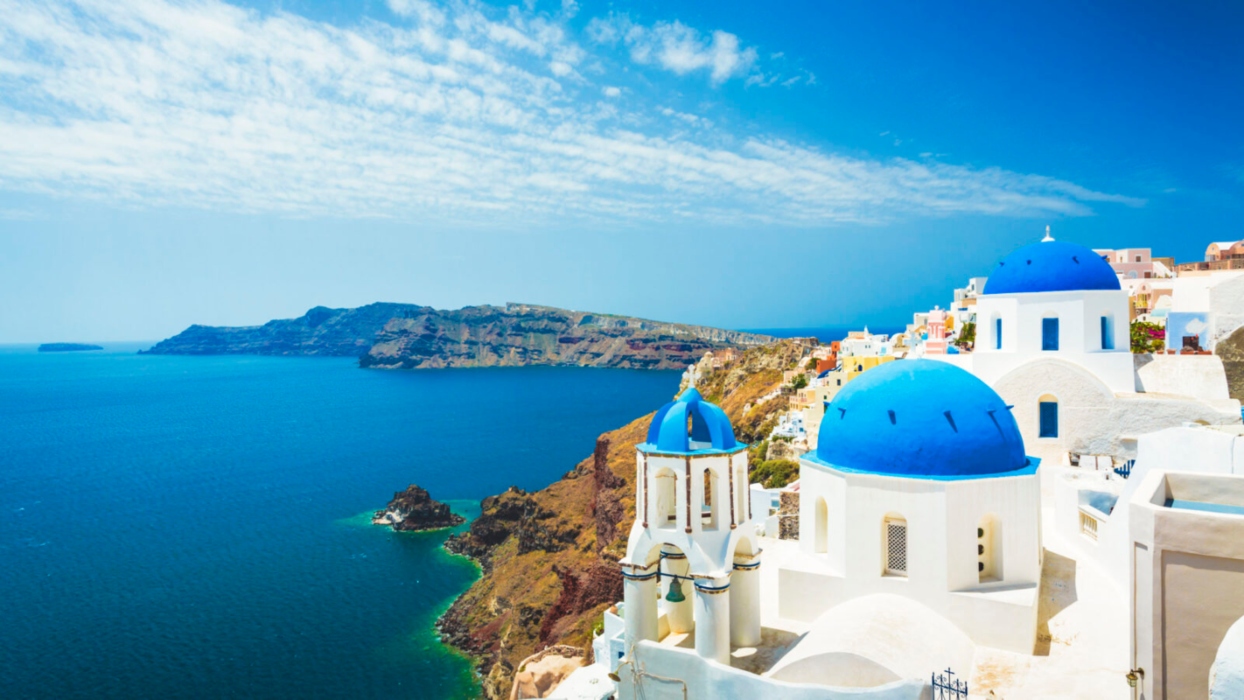
The image of the Greek summer is changing dramatically. Behind the record-breaking arrivals, packed airports, and soaring tourism revenues, a new reality is emerging — one that is beginning to push many Greek islands dangerously close to their social, environmental, and infrastructural limits.
Santorini, Mykonos, Koufonisia, Serifos, Antiparos, and dozens of other islands are increasingly transforming into miniature “summer megacities,” with population density levels that in some cases now exceed even those of the Athens metropolitan region.
A new study by the Observatory for Sustainable Tourism of the University of the Aegean paints a striking picture of a tourism model that is no longer simply an economic issue. It is becoming a question of sustainability, social cohesion, infrastructure resilience, and the long-term survival of the islands themselves.
Four Tourist Beds Per Resident — And In Some Islands, Eight
The report, set to be presented at the offices of the Hellenic Society for the Environment and Cultural Heritage in Plaka, evaluates the sustainability of tourism through economic, social, and environmental indicators.
Its findings are alarming.
When hotels, Airbnb-style short-term rentals, and holiday homes are all included, several islands now record:six, seven, even eight tourist beds for every permanent resident.
The most extreme examples include:
- Serifos: 8 beds per resident
- Schinoussa: 6.8
- Antiparos: 6.4
- Kastos: 6
Other islands exceeding five beds per resident include:
- Irakleia
- Kythnos
- Kea
- Sikinos
- Mykonos
- Ammouliani
Even without counting vacation homes, the pressure remains intense:
- Mykonos
- Santorini
- Koufonisia
already exceed four tourist beds per permanent resident.
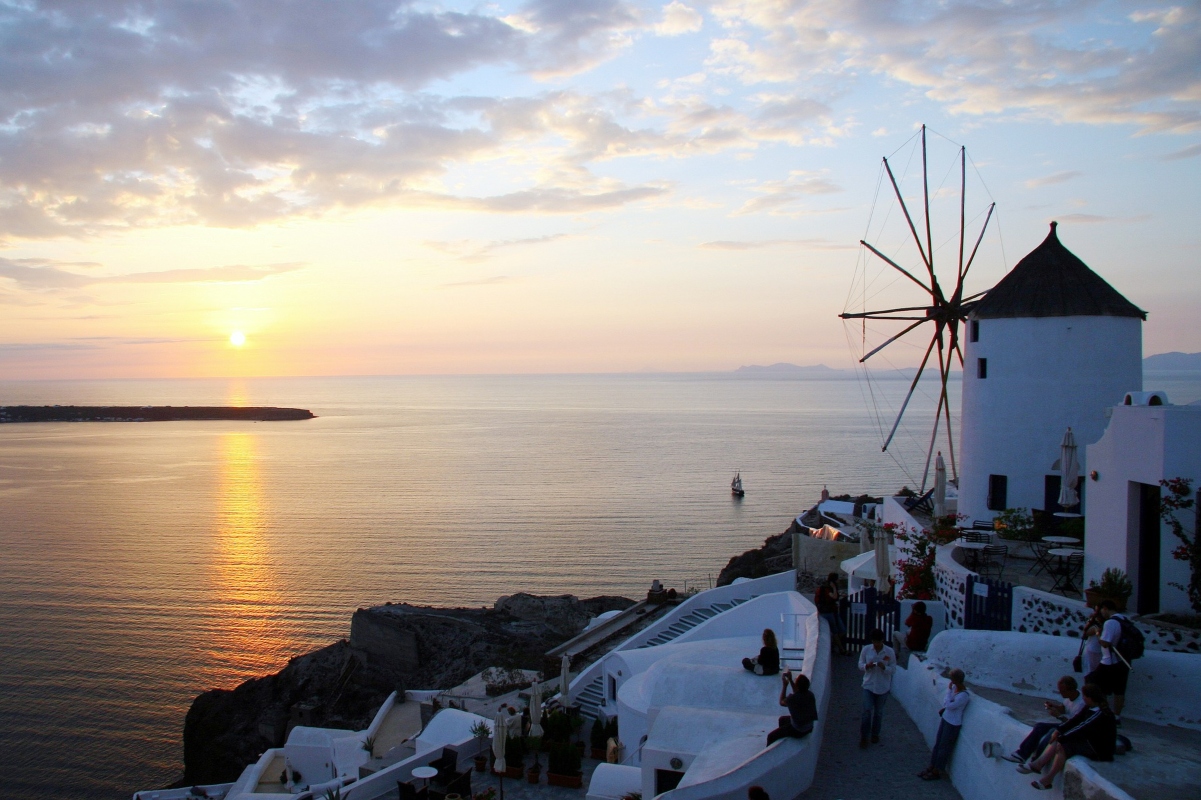

Santorini Has Surpassed Athens in Population Density
Perhaps the most striking finding concerns seasonal population density during the peak tourism period.
Santorini now reaches:
1,164 people per square kilometer
— a density level higher than Attica, the region that includes Athens.
It is followed by:
- Salamina: 1,103
- Mykonos: 759
- Skiathos: 589
- Aegina: 574
- Spetses: 573
- Poros: 554
These are figures typically associated with large urban centers, not small islands with limited water reserves, fragile energy systems, and constrained waste-management infrastructure.
Yet every summer, these islands are expected to function like overloaded metropolitan zones.
Tourism Density Reaches Extreme Levels
The study also highlights exceptionally high tourism density, measured by the number of tourist beds per square kilometer.
The numbers are staggering:
- Santorini: 863.4 beds/km²
- Mykonos: 611.4
- Skiathos: 381.5
- Koufonisia: 278.4
- Paxoi: 245.9
- Kos: 232.5
- Poros: 217.8
Meanwhile, Rhodes — despite having the largest total number of tourist beds in Greece at 182,629 — experiences lower pressure because of its much larger geographical size.
The conclusion is clear:The crisis is not only about the number of tourists, but about the extreme concentration of tourism activity within small island ecosystems.

The Airbnb Boom Is Reshaping the Islands
The report shows that the rapid expansion of short-term rentals has fundamentally altered the balance of island communities.
Tourism growth is no longer driven solely by hotels.
Instead:
- homes are being converted massively into Airbnb properties,
- traditional settlements are losing their original character,
- housing for workers is becoming increasingly scarce,
- and permanent residents are facing a steep rise in living costs.
On many islands, seasonal employees struggle to find accommodation, while essential services — from healthcare to sanitation — operate at the edge of collapse during the summer months.
Tourism Growth Without Real Development?
The report’s most politically sensitive conclusion may be its final one.
Despite booming tourism revenues and consecutive visitor records, the expansion of tourism does not automatically translate into sustainable development or demographic stability.
Only 11 islands recorded population growth over the last decade:
- Santorini
- Mykonos
- Kos
- Megisti
- Antiparos
- Rhodes
- Paros
- Ios
- Naxos
- Kea
- Kalymnos
At the same time, major tourist destinations such as:
- Corfu
- and Thassos
are among the islands experiencing the sharpest population decline.
In other words:Tourism may increase GDP, but it does not necessarily strengthen social cohesion or long-term sustainability.
Greece’s Strategic Dilemma
Greece now faces a critical question:Can the country continue breaking tourism records without exhausting the very islands that sustain its tourism economy?
As arrivals, short-term rentals, real estate investments, and infrastructure pressure continue to rise, so does the risk that many Greek islands will become permanently overcrowded tourism zones operating beyond their limits.
And in that scenario, Greece’s greatest competitive advantage — the authenticity, beauty, and unique character of its islands — could become the first casualty of its own tourism success.
Source: pagenews.gr