Greece Launches Nationwide Price Cuts on Essential Goods from August 31
 ΧΡΟΝΟΣ ΑΝΑΓΝΩΣΗΣ 4 '

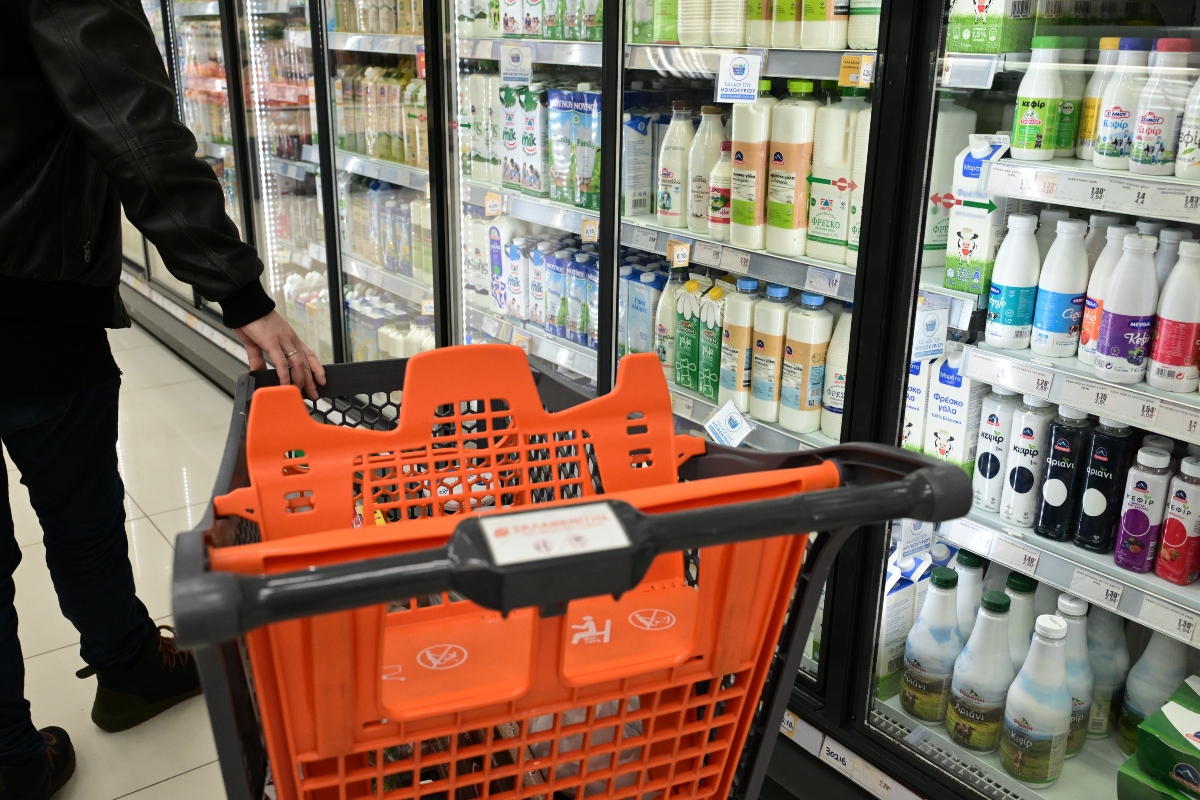
Πηγή Φωτογραφίας: eurokinissi//Greece Launches Nationwide Price Cuts on Essential Goods from August 31



The Greek government is preparing to roll out a broad consumer price initiative aimed at reducing the cost of essential goods, with price cuts set to take effect on August 31.
Following a high-level meeting between the Ministry of Development, major food manufacturers, multinational suppliers, supermarket chains and the newly established Independent Market Oversight and Consumer Protection Authority, officials finalized the framework for what has been described as a national effort to lower everyday living costs.
Under the initiative, participating companies will voluntarily reduce prices on a wide range of essential products by at least 5%, with discounts expected to remain in place for two to four months.
Which Products Will Become Cheaper?
According to government officials, the initiative will cover a broad basket of household essentials, including:
- Fresh beef, pork and poultry
- Milk
- Yogurt
- Cheese
- Eggs
- Bread and flour
- Pasta
- Rice
- Legumes
- Olive oil
- Vegetable oils
- Butter and margarine
- Infant formula
- Baby food
- Diapers
- Coffee
- Breakfast cereals
- Chocolate and biscuits
- Soft drinks
- Laundry and dishwashing detergents
- Household cleaning products
- Personal hygiene products
- School supplies
The inclusion of school-related products comes just days before the start of the new academic year, when household spending typically rises significantly.
Government Targets Relief for Consumers
Development Minister Takis Theodorikakos described the initiative as a coordinated national effort involving both the public and private sectors.
“Our common understanding is that the initiative should include all basic food products and everyday household essentials,” he said.
“Price reductions must be at least 5%, and we hope companies will go even further wherever possible.”
He emphasized that participation remains voluntary, while the implementation period will range between two and four months.
Private Sector Participation
Unlike mandatory price controls, the initiative relies on voluntary commitments from producers, suppliers and retailers.
Government officials argue that cooperation with the private sector can deliver faster and broader consumer relief while avoiding market distortions.
Oversight of the program will be carried out by Greece’s newly created Independent Market Oversight and Consumer Protection Authority, which will monitor implementation and market compliance.
Inflation Remains a Political Priority
The price-cut initiative comes as the Greek government continues to face public pressure over the rising cost of living.
Although inflation has eased compared with the energy crisis of recent years, food prices remain one of the largest concerns for Greek households.
The government hopes the temporary reductions will provide immediate relief while supporting consumer purchasing power during the autumn months.
The initiative reflects a broader shift in Athens’ anti-inflation strategy—from emergency subsidies toward targeted market interventions and voluntary agreements with businesses.
Whether the program delivers meaningful savings will ultimately depend on the level of participation by manufacturers and retailers, as well as the ability of authorities to ensure that announced price reductions are effectively passed on to consumers.
For households facing persistent pressure on disposable income, however, the August 31 rollout will serve as an important test of whether voluntary market cooperation can translate into tangible relief at the checkout.
Διαβάστε όλες τις τελευταίες Ειδήσεις από την Ελλάδα και τον Κόσμο