Greece’s NATO Strategy Faces a Crucial Test in Ankara – F-35s, Trump and the New Balance with Turkey
 ΧΡΟΝΟΣ ΑΝΑΓΝΩΣΗΣ 5 '
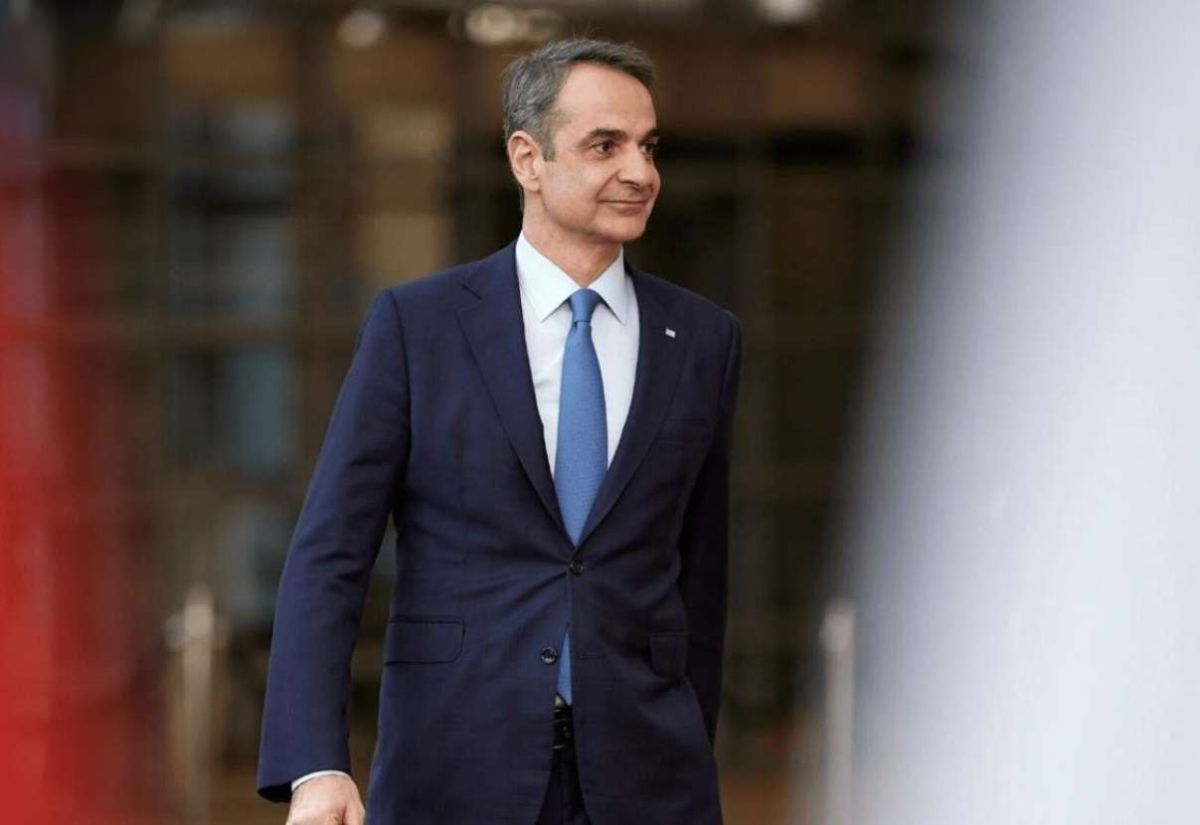
Πηγή Φωτογραφίας: Greek Prime Minister Office--Papamitsos//Greece’s NATO Strategy Faces a Crucial Test in Ankara – F-35s, Trump and the New Balance with Turkey



This year’s NATO Summit in Ankara is far more than another routine gathering of Allied leaders. It comes at a time when European security is being reshaped, defense spending is rising at unprecedented levels, and Washington is redefining its relationships with key regional powers—including Turkey.
For Greece, the summit is not only about NATO decisions on collective defense. The real political focus lies on the bilateral meetings taking place on the sidelines, particularly the highly anticipated meeting between U.S. President Donald Trump and Turkish President Recep Tayyip Erdoğan.
No Mitsotakis–Erdoğan Meeting
Unlike the previous three NATO summits, no formal meeting between Greek Prime Minister Kyriakos Mitsotakis and President Erdoğan has been scheduled.
From the Vilnius Summit in 2023 through subsequent NATO gatherings, their meetings served as an important mechanism for maintaining the period of relative calm—often described as the “calm waters” policy—in the Aegean Sea. They contributed to fewer airspace violations and preserved open channels of communication.
The absence of a planned meeting does not necessarily signal a strategic shift, but it reflects that Greek-Turkish relations have entered a more complex phase.
Athens acknowledges that while tensions have eased, Turkey has shown no indication of revising its long-standing positions on sovereignty issues and maritime boundaries.
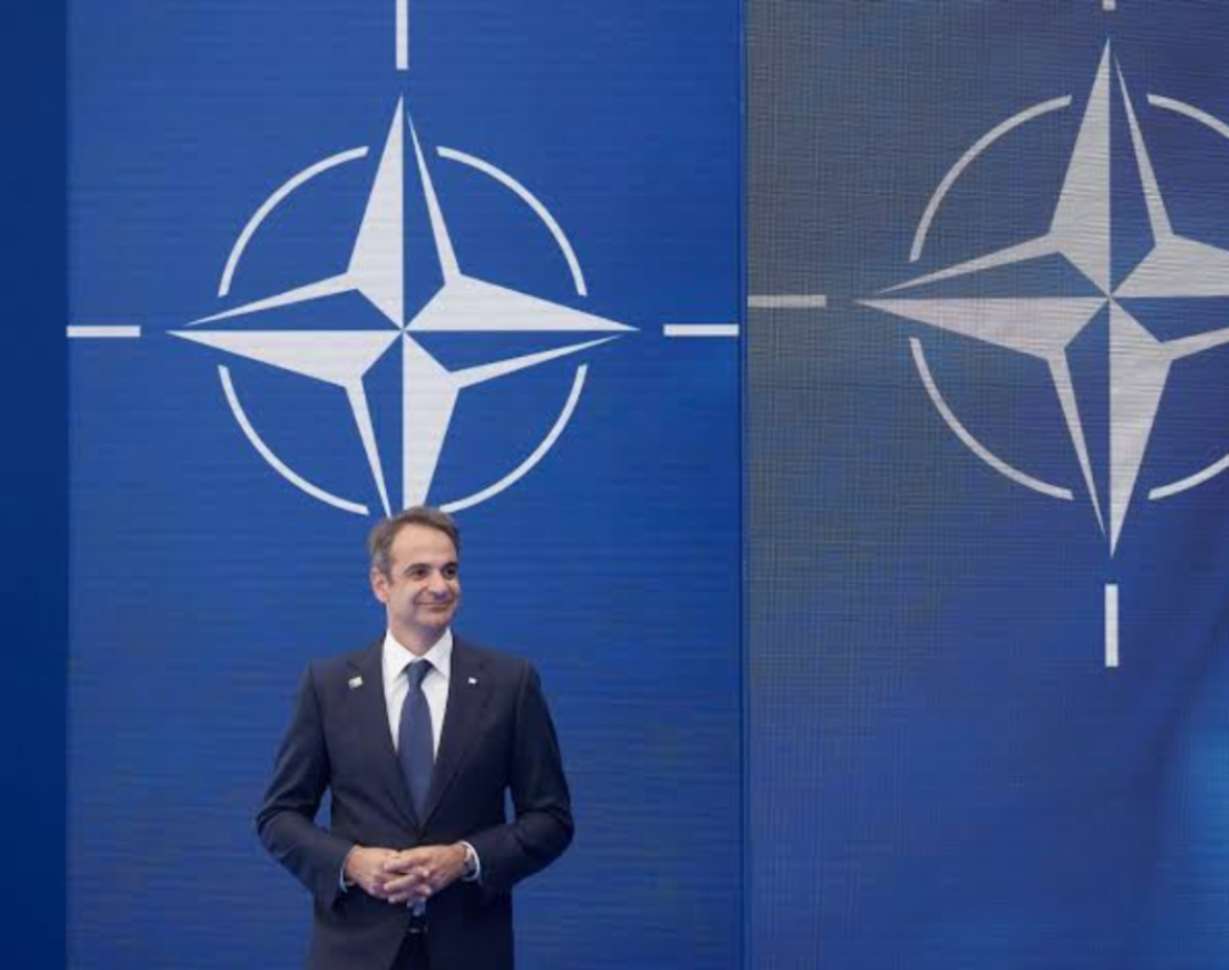
F-35s Take Center Stage
The Trump–Erdoğan meeting is expected to dominate the geopolitical agenda.
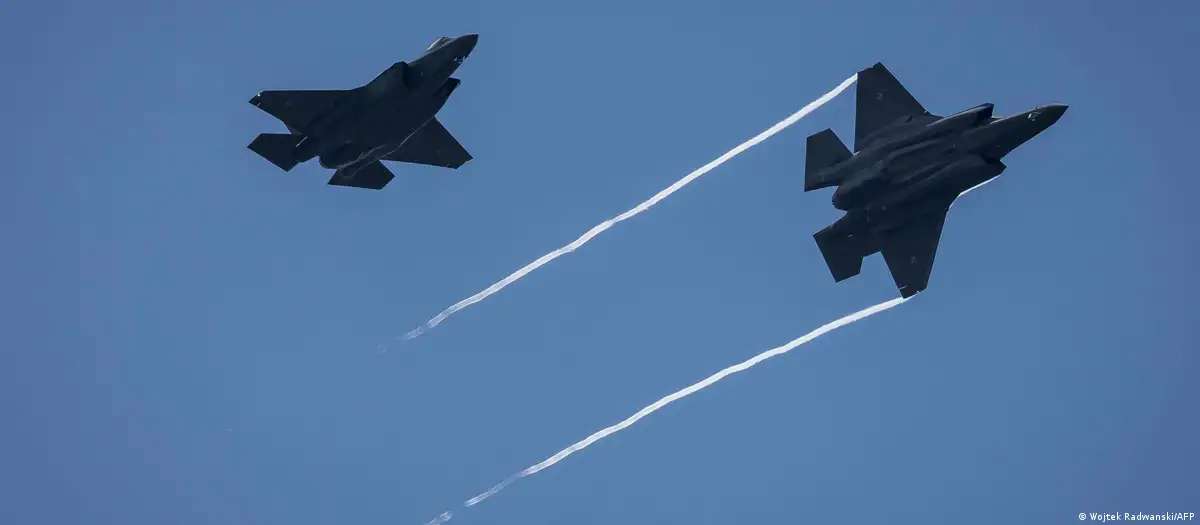
According to multiple reports, discussions will include U.S.-Turkey defense cooperation and the possibility of Ankara’s return to the F-35 fighter jet program.
Although U.S. sanctions under the CAATSA legislation remain a significant obstacle, Greek officials are closely monitoring any indication that Washington’s position could evolve.
Athens believes there is currently no active process to lift those restrictions. However, officials are also aware that President Trump’s foreign policy has often been characterized by transactional diplomacy and strategic unpredictability.
Recent reporting by The New York Times, along with other international analyses, suggests that Trump appears more willing than previous administrations to reconsider the broader U.S.-Turkey relationship.
Greece’s Strategic Response
The Greek government is deliberately distancing itself from speculation and media reports.
Its central argument is that Greece has fundamentally transformed its strategic position over the past several years.
In 2019, Greece was outside the F-35 program and had yet to modernize its F-16 fleet.
Today, the country is preparing to receive F-35 aircraft, is completing the upgrade of its F-16 fleet to the Viper configuration, is strengthening its naval capabilities, and has become one of Washington’s most trusted security partners in the Eastern Mediterranean.
In other words, even if U.S. policy toward Turkey changes, Athens believes that its own strategic partnership with Washington now rests on a far stronger and more independent foundation.
Greece Among NATO’s Leading Contributors
The summit is taking place against the backdrop of President Trump’s renewed call for NATO members to raise total defense spending to 5% of GDP by 2035.
Greece already exceeds the Alliance’s interim targets.
Its core defense spending is projected to reach approximately 3.6% of GDP, placing Greece among the top five NATO members in defense investment.
For the Greek government, this reinforces the country’s image as a reliable ally that consistently fulfills—and often exceeds—its Alliance commitments.
The European Dimension
Athens also continues to advocate a broader European defense strategy.
The Greek position is that a stronger European defense capability complements NATO rather than competes with it.
New European financing mechanisms, joint defense-industrial projects, and investments in dual-use infrastructure are increasingly viewed as essential pillars of Europe’s future security architecture.
This approach aligns Greece with the broader European objective of achieving greater strategic autonomy while preserving the transatlantic alliance.
The real significance of the Ankara Summit will not be measured by its final communiqué but by the direction of future U.S.-Turkey relations.
Greece enters this new strategic environment from a position of considerable strength. It possesses modernized armed forces, a deep strategic partnership with the United States, enhanced geopolitical influence in the Eastern Mediterranean, and an increasingly important role in European defense initiatives.
Nevertheless, today’s geopolitical landscape is highly fluid. Should Washington pursue a broader strategic rapprochement with Ankara, Athens will need to leverage the diplomatic and security capital it has built in recent years to ensure that any improvement in U.S.-Turkey relations strengthens regional stability without undermining Greece’s national interests or strategic position in the Eastern Mediterranean.
Source: pagenews.gr
Διαβάστε όλες τις τελευταίες Ειδήσεις από την Ελλάδα και τον Κόσμο