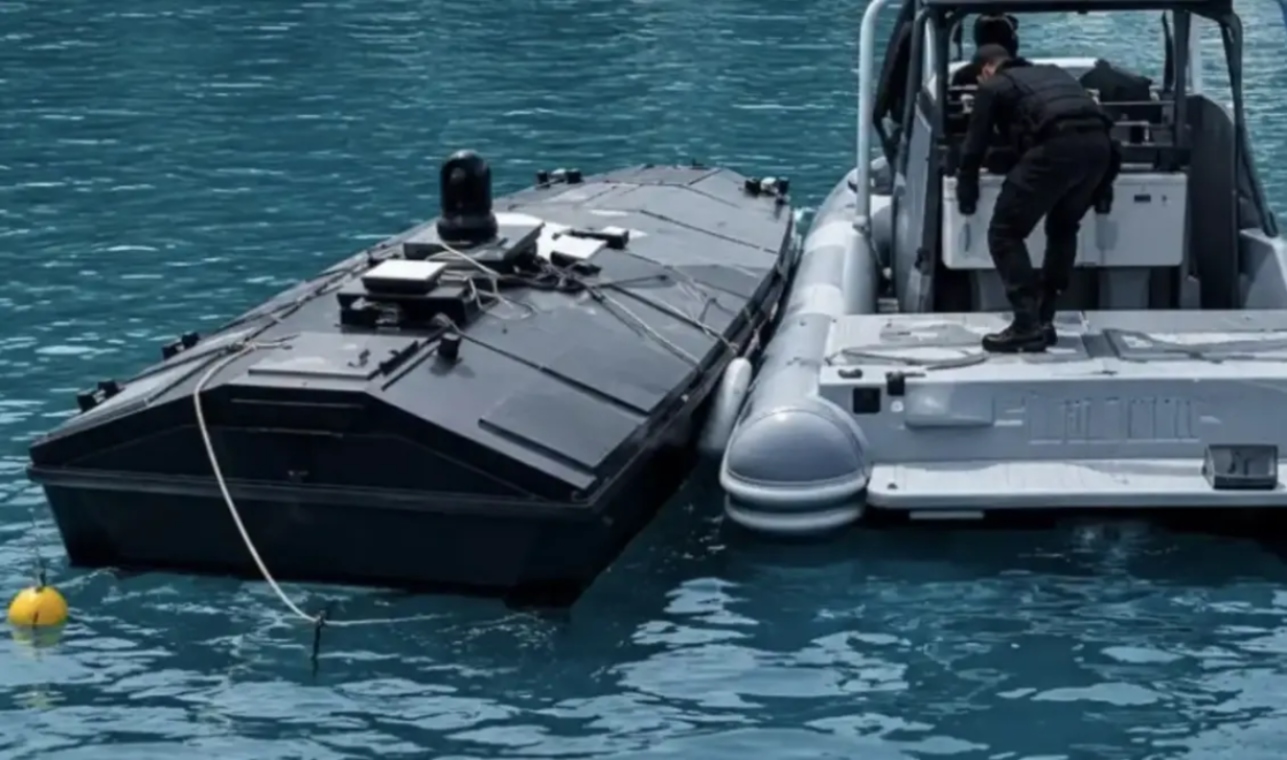
Greece is preparing an official diplomatic demarche to Ukraine following the discovery of a drone off the coast of Lefkada, an incident that has triggered concern within the Greek security establishment and EU diplomatic circles.
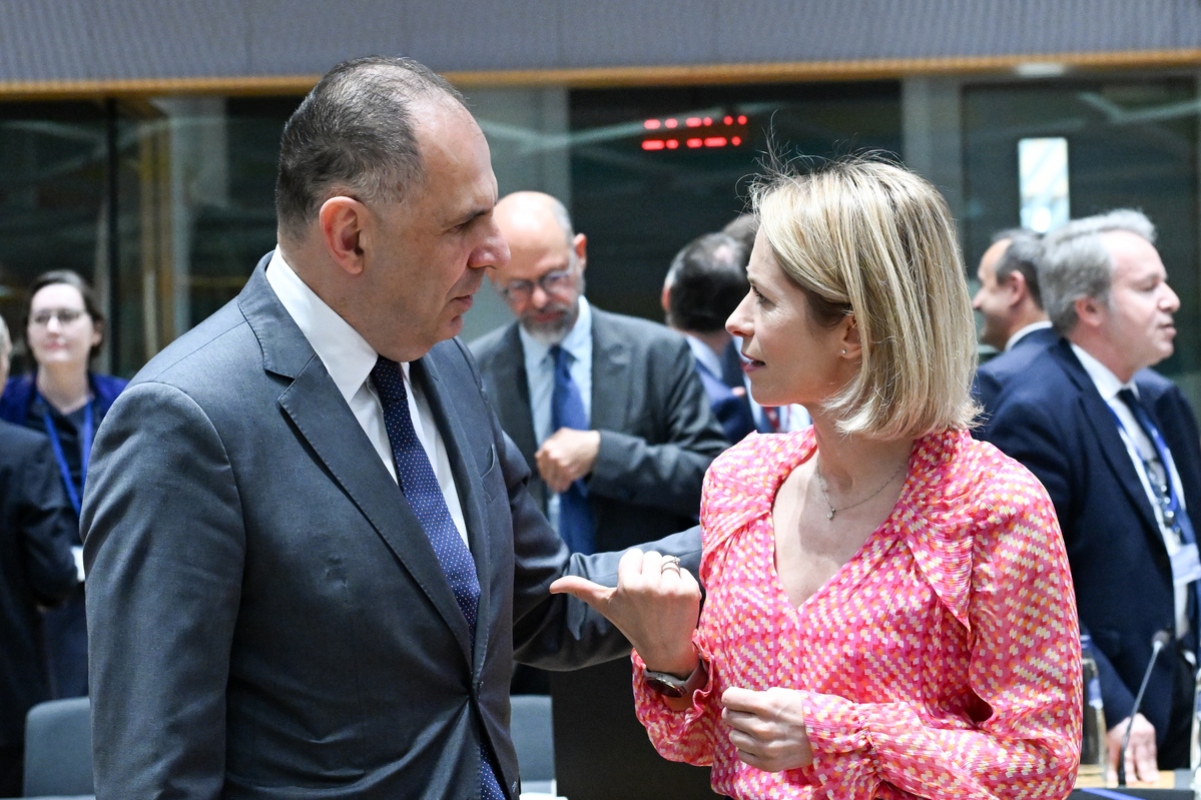
According to diplomatic sources, Foreign Minister George Gerapetritis has already briefed EU High Representative for Foreign Affairs and Security Policy Kaja Kallas on the findings of the Hellenic National Defence General Staff (GEETHA) regarding the incident.
The briefing took place on the sidelines of an informal EU Foreign Affairs Council held in Limassol. The Greek foreign minister also held direct discussions with his Ukrainian counterpart, Andrii Sybiha, who had been invited by the Cypriot Presidency.
Greek officials now confirm that a formal diplomatic protest to Kyiv will follow.
The Drone Incident and Security Concerns
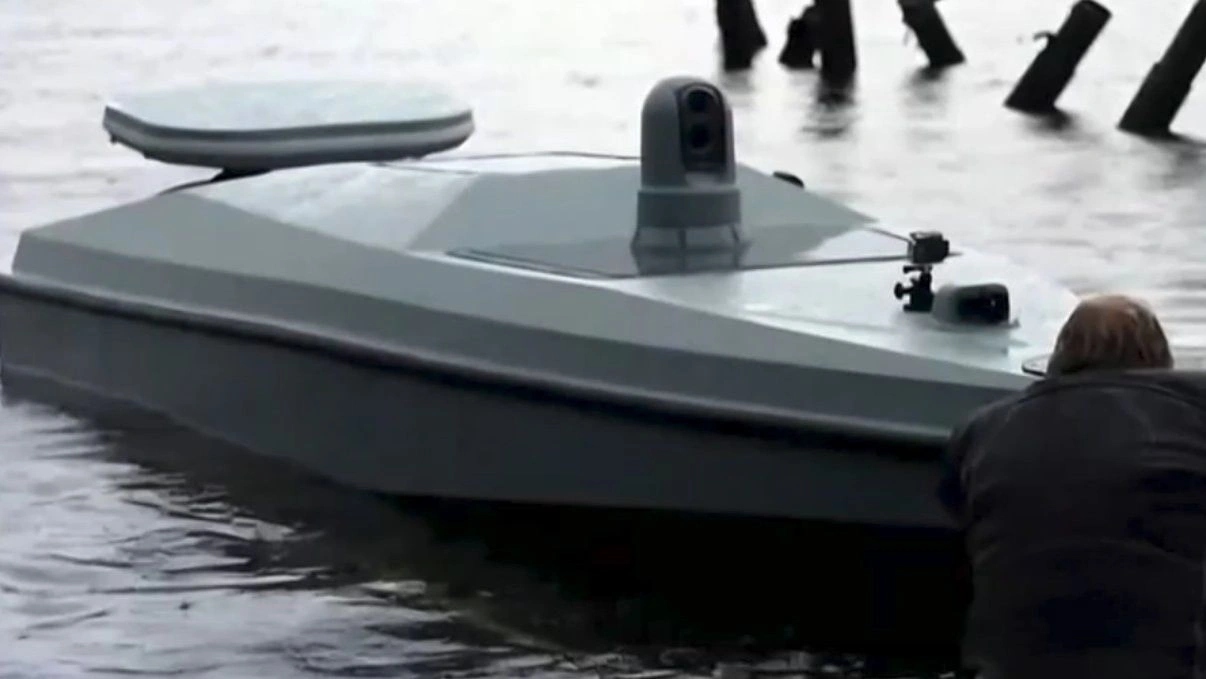
The case has raised significant concern in Athens, not only due to the presence of the drone in Greek territorial waters, but also because of its alleged link to Ukrainian-origin military systems.
Military and diplomatic sources suggest the incident highlights several emerging risks:
- potential loss or misdirection of military equipment from active war zones,
- proliferation of battlefield technology beyond the Ukraine conflict,
- and increasing security complexity in maritime zones far from the front lines.
The GEETHA assessment is reported to have identified characteristics consistent with Ukrainian military drone systems, prompting the Greek government to escalate the issue diplomatically.
Greece’s Delicate Strategic Balance
Athens finds itself in a sensitive position.
Greece remains a firm political and military supporter of Ukraine through EU and NATO frameworks. However, the Lefkada incident has introduced a parallel concern: the direct implications of the Ukraine war for Greek territorial security.
As a result, Athens is seeking to balance two priorities:
- continued support for Ukraine against Russian aggression,
- and safeguarding national sovereignty and maritime security in the Eastern Mediterranean.
Greek officials emphasize that the response will remain strictly diplomatic, focused on clarification and assurances rather than escalation.

EU-Level Briefing and Political Messaging
The decision to brief Kaja Kallas signals that Athens intends to frame the issue within a broader European security context.
Greek diplomats are reportedly pushing for:
- greater EU oversight on the control of transferred military systems,
- clearer accountability mechanisms for battlefield equipment,
- and enhanced monitoring of potential spillover risks from the Ukraine conflict.
The issue is expected to resonate within EU institutions, where support for Ukraine remains strong but concerns about long-term security externalities are gradually increasing.
Wider NATO and Regional Security Implications
The incident also carries broader implications for NATO’s southern flank.
The Eastern Mediterranean is increasingly seen as a convergence zone for multiple geopolitical pressures:
- the ongoing war in Ukraine,
- maritime security and energy routes,
- tensions in the Eastern Mediterranean,
- and broader Russia–West strategic competition.
Security analysts note that even isolated incidents involving military hardware can have disproportionate diplomatic impact when they occur in sensitive maritime regions.

A Small Incident with Broader Strategic Weight
While details of the drone incident remain limited, the political reaction highlights a growing reality: the geographic expansion of the Ukraine war’s indirect consequences.
As the conflict continues, its technological and operational footprint is increasingly felt beyond Eastern Europe, affecting:
- maritime security,
- surveillance technologies,
- and regional risk calculations across NATO’s southern and eastern peripheries.
For Greece, the message is clear: support for Ukraine remains firm, but it will not come at the expense of national security clarity or operational transparency.
The upcoming diplomatic engagement with Kyiv is expected to focus on de-escalation, clarification, and prevention of similar incidents in the future.
Source: pagenews.gr