The migration crisis in Ceuta, Spain’s North African enclave, has evolved into one of the most significant political confrontations over migration inside the European Union in recent years, reigniting the debate over Schengen, external border protection and the principle of European solidarity.
Sánchez: “This is Europe’s border”
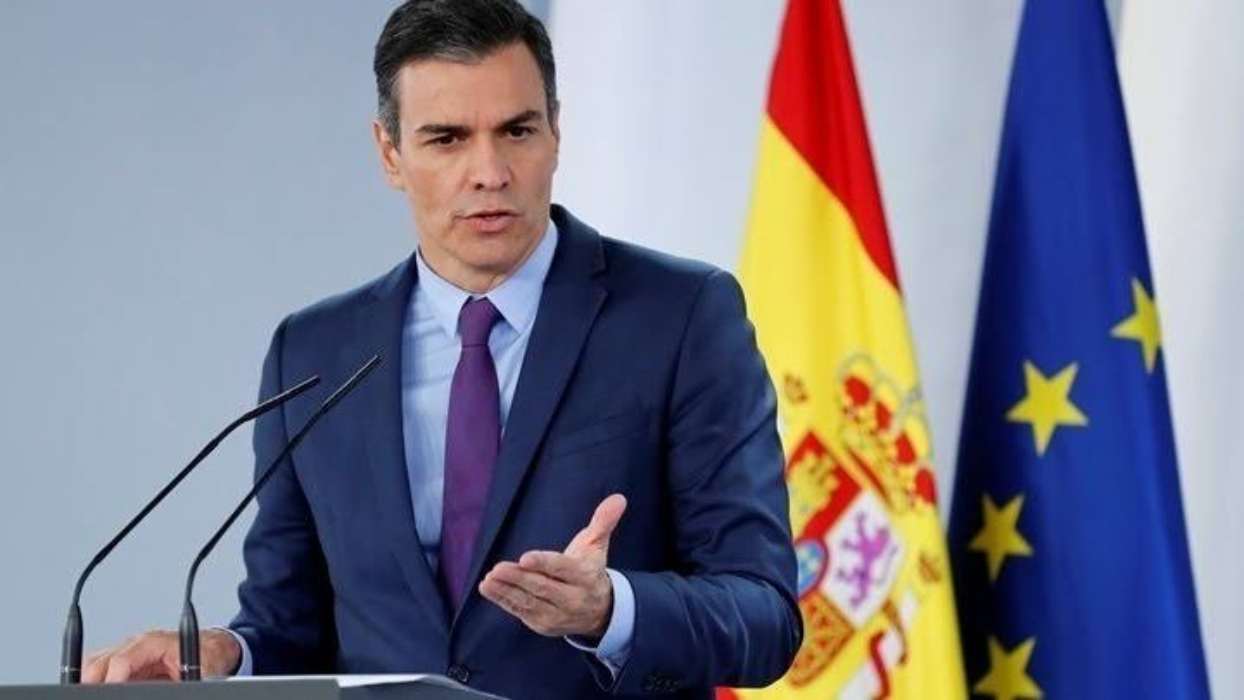
Spanish Prime Minister Pedro Sánchez has sent a formal letter to European Commission President Ursula von der Leyen and European Council President António Costa, expressing what he described as his “serious concern” over the reaction of several EU governments following the mass arrival of migrants in Ceuta.
In the letter, Sánchez argues that some member states responded with “prejudice, misinformation and political opportunism”, rather than solidarity with a country protecting one of the European Union’s external borders. He also requested an urgent videoconference of EU interior ministers to coordinate a common European response.
The Spanish leader insisted that the security of the EU’s external frontiers is a shared European responsibility, not a burden that should fall on frontline states alone.


Spain rejects criticism over Schengen
Madrid has firmly rejected accusations that Spain failed to protect Europe’s borders.
According to the Spanish government, authorities regained operational control of the situation within 48 hours, while the overwhelming majority of migrants either returned voluntarily to Morocco or were sent back through bilateral cooperation with Rabat.
Sánchez also dismissed suggestions from some political leaders that Spain’s handling of the crisis justified restrictions linked to the Schengen Area, arguing that such reactions undermine European unity at a time when cooperation is most needed.
22 EU leaders call for tougher external borders
At the same time, 22 EU leaders called for an emergency discussion on the bloc’s response, stressing that the events in Ceuta demonstrated the need for stronger protection of the Union’s external borders, faster return procedures and closer coordination among member states.
The initiative illustrates the widening political divide inside Europe between governments advocating stricter migration controls and those insisting that migration management must remain based on collective European responsibility.
Von der Leyen calls for a common European response
European Commission President Ursula von der Leyen has backed the need for a coordinated EU approach, reaffirming that protecting the Union’s external borders is a shared European obligation.
Brussels has supported Spain’s request for closer coordination while emphasizing that migration pressures require collective action, stronger border management and continued cooperation with partner countries such as Morocco.
The Ceuta crisis has become much more than a migration emergency. It is emerging as a strategic test for the European Union, exposing persistent disagreements over Schengen governance, burden-sharing and the future of EU migration policy.
For Madrid, defending Ceuta means defending the credibility of Europe’s external borders and preventing unilateral national responses from weakening the Schengen system. For many other capitals, however, the events reinforce demands for stricter migration rules and stronger external border controls.
The outcome of this confrontation is likely to shape the next phase of European migration policy, influencing not only border management, but also the broader debate over European strate
Source: pagenews.gr