Europe’s Two Gateways in Africa: Why Ceuta and Melilla Are Becoming Geopolitical Flashpoints Again
 ΧΡΟΝΟΣ ΑΝΑΓΝΩΣΗΣ 10 '
Πηγή Φωτογραφίας: AP Photo//Europe’s Two Gateways in Africa: Why Ceuta and Melilla Are Becoming Geopolitical Flashpoints Again



Ceuta and Melilla may look like two tiny points on the map of North Africa.
Geopolitically, however, they are much more than that.
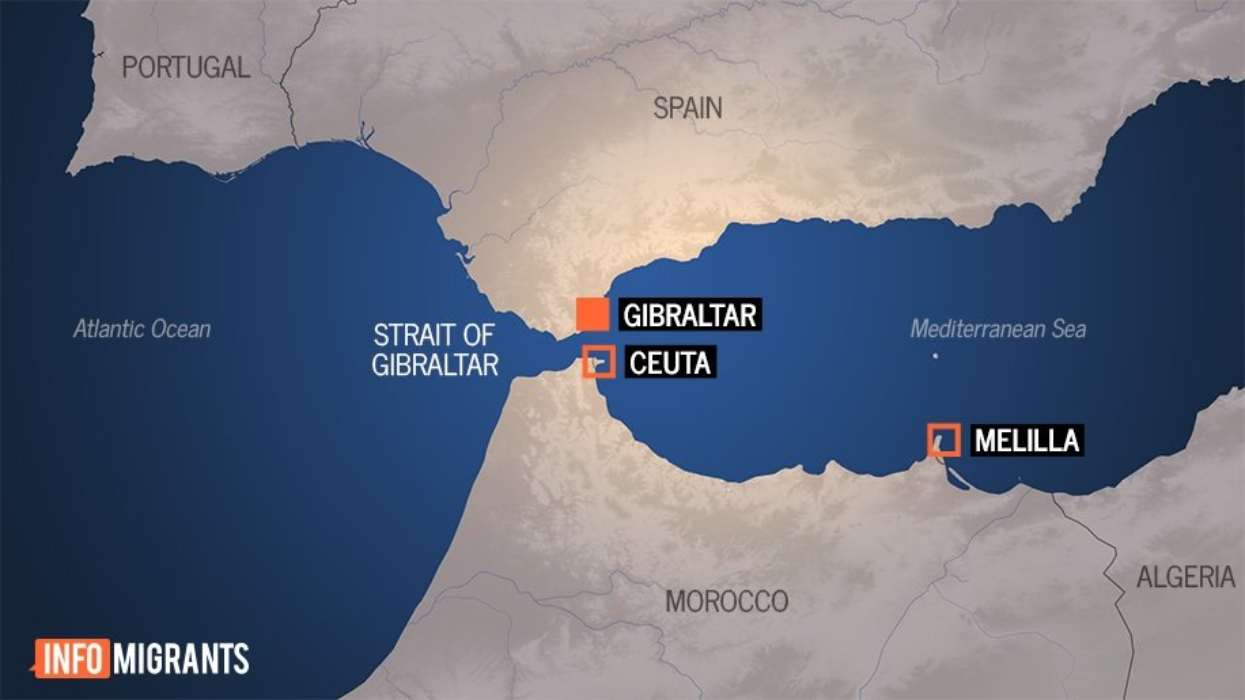
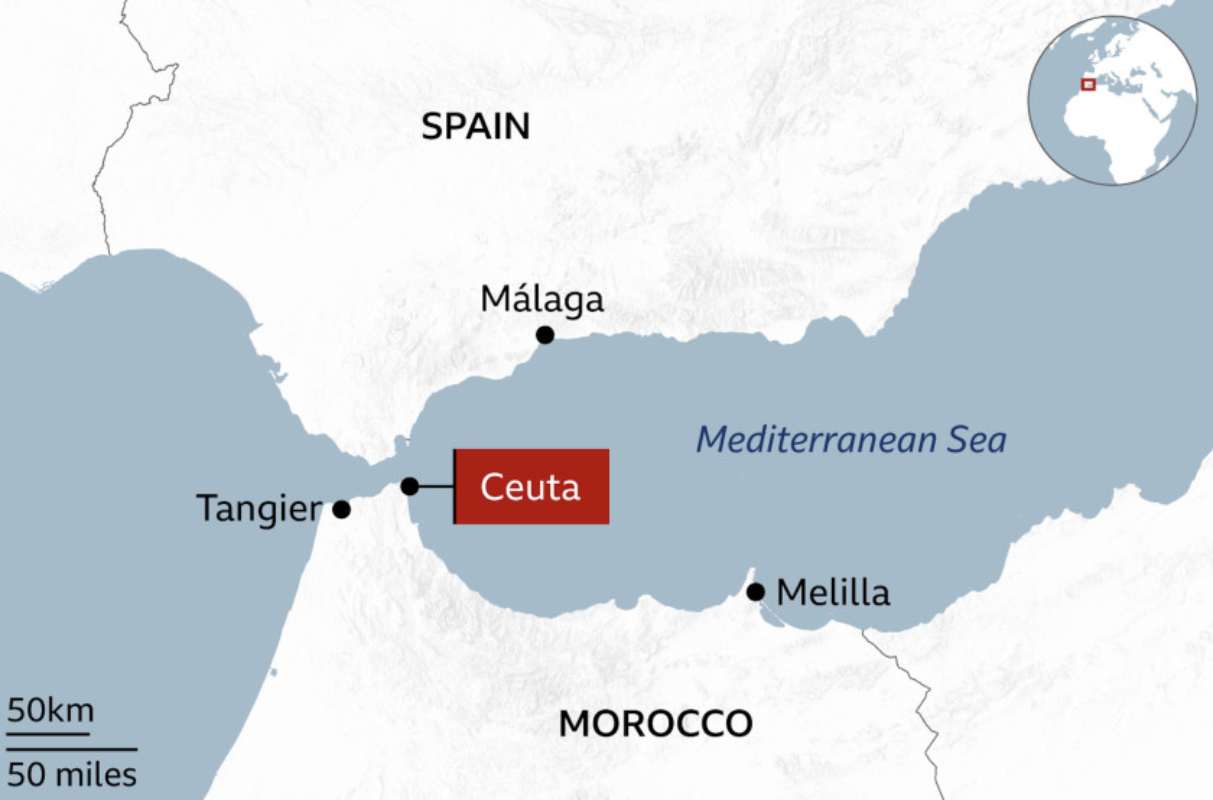
They are among the world’s most unusual borders: cities under Spanish sovereignty and European administration, yet physically embedded in the African continent and surrounded by Morocco.
Today, they sit at the intersection of some of Europe’s most pressing strategic challenges: irregular migration, border control, terrorism, organised crime, maritime security and the rapidly deepening relationship between Europe and Africa.
That is why the old question of “who owns them?” no longer fully captures their significance.
The newer question is:
who can actually control one of Europe’s most sensitive gateways from Africa?
Two European Cities Inside Africa
The historical roots of the dispute stretch back centuries.
Ceuta was taken by Portugal in 1415 and later passed under Spanish sovereignty, while Spain has controlled Melilla since 1497.
Madrid considers both cities integral parts of Spanish territory.
Morocco, by contrast, disputes Spanish sovereignty and frames the issue through the broader history of decolonisation.
This creates an exceptional geopolitical reality.
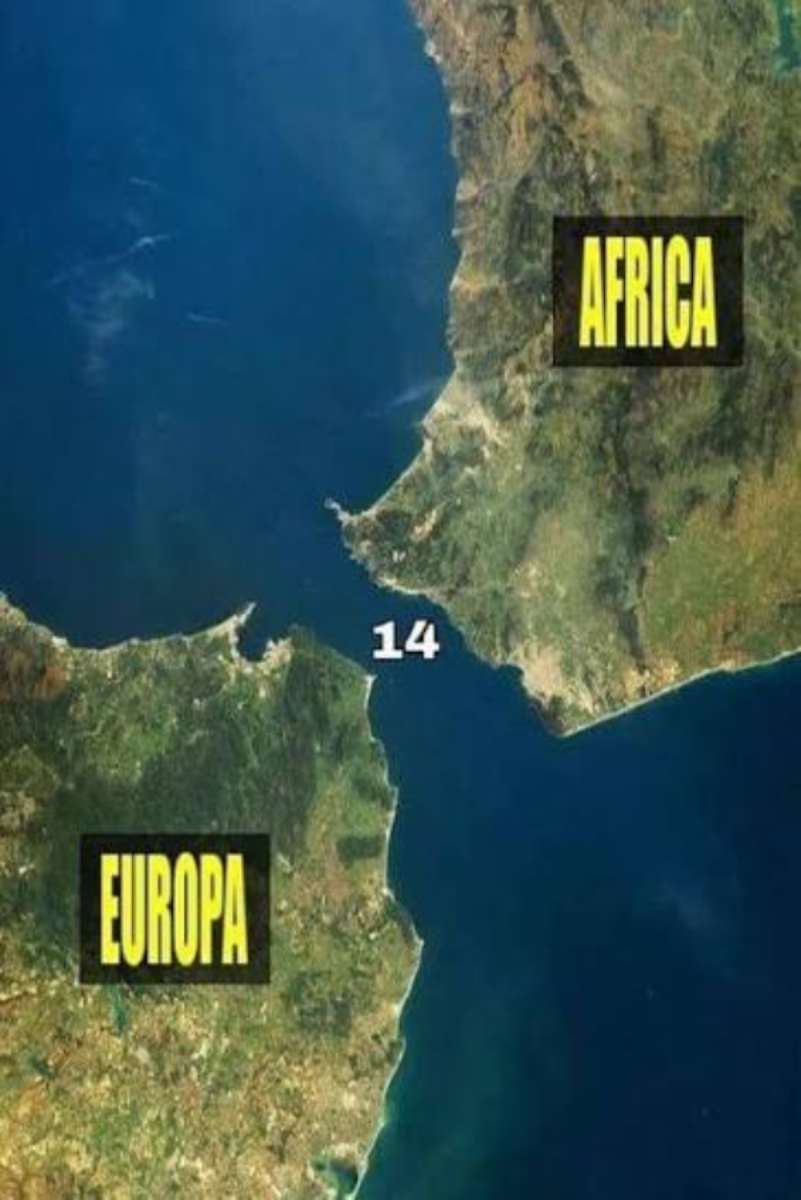
Europe is not merely opposite Africa.
In Ceuta and Melilla, Europe is physically inside Africa.
Migration Changed Everything
For decades, debate focused mainly on history, international law and sovereignty.
Today, geography matters much more.
The two cities are land borders of the European Union on the African continent, placing them directly on one of the most sensitive migration routes into Europe.
Their border fences have become symbols of European migration policy.
Every major concentration of migrants in northern Morocco, every attempt at mass crossing and every period of tension between Madrid and Rabat can rapidly become a wider European political crisis.
Sovereignty, therefore, is no longer only about flags and legal title.
It is also about control of flows.
Spain Controls the Cities – But Geography Gives Morocco Leverage
This is one of the central paradoxes.
Spain administers Ceuta and Melilla.
But geography ties both cities inescapably to Morocco.
Supply chains, labour mobility, commerce, migration management and local stability all depend, to varying degrees, on their interaction with northern Morocco.
Spain has far greater economic, institutional and military capabilities.
Yet none of those advantages can erase geography.
And that is the modern strategic reality:
legal sovereignty may be clear from Madrid’s perspective, but the practical functioning of the enclaves requires cooperation with Morocco.
When Migration Becomes Geopolitical Leverage
The vulnerability of that arrangement became especially visible in May 2021.
Over the course of roughly two days, thousands of people crossed into Ceuta from Morocco, producing one of the most serious migration crises the enclave had ever experienced.
The incident unfolded during a major diplomatic dispute between Madrid and Rabat.
The lesson for Europe was difficult to ignore:
cooperation with neighbouring states on migration control has acquired geopolitical value.
Morocco has become one of Spain’s and the EU’s most important partners in managing migration routes across the western Mediterranean.
When cooperation functions, pressure can be reduced.
When it breaks down, that pressure can arrive directly at Europe’s external frontier.
The Fence Is Only the Last Line of Defence
Europe’s migration policy is often visualised through the fences around Ceuta and Melilla.
In reality, border security starts much further south.
It depends on intelligence about smuggling networks, police cooperation, maritime surveillance, counterterrorism coordination and the management of routes leading into northern Morocco.
That is why relations between Madrid and Rabat matter so much.
Their strategic cooperation now extends beyond migration into counterterrorism, maritime security, intelligence, trade, investment and energy connectivity.
Migration, Terrorism and Organised Crime Share the Same Geography
The same geographic corridor is used by very different flows.
People.
Goods.
Drugs.
Money.
Intelligence.
Legal and illegal commercial activity.
This means Ceuta and Melilla cannot be understood simply as migration hotspots.
They are part of a much wider security environment in the western Mediterranean.
Effective action against terrorism, organised crime and trafficking requires functional cooperation even between states that disagree fundamentally over sovereignty.
That is the paradox of Spain and Morocco.
They can dispute the territory while simultaneously needing each other to secure it.
The “Functional Geography of Sovereignty”
This is where the issue becomes particularly interesting.
Legal sovereignty answers the question of which state exercises authority over a territory.
Political geography asks how that authority can actually be exercised in practice.
The source describes this as the “functional geography of sovereignty”: geography does not automatically change legal title, but it profoundly shapes the conditions under which sovereignty operates.
Ceuta and Melilla illustrate this perfectly.
Spain governs.
Morocco, however, remains the surrounding geographic reality from which neither city can detach itself.
Morocco Is Becoming More Important to Europe
At the same time, Morocco’s broader strategic importance has risen sharply.
The kingdom sits across routes connecting West Africa and the Sahel with Europe.
It is a major migration partner.
It cooperates closely with European governments on counterterrorism.
It has become an important trade and investment partner.
It is expanding ports, logistics, manufacturing and energy infrastructure.
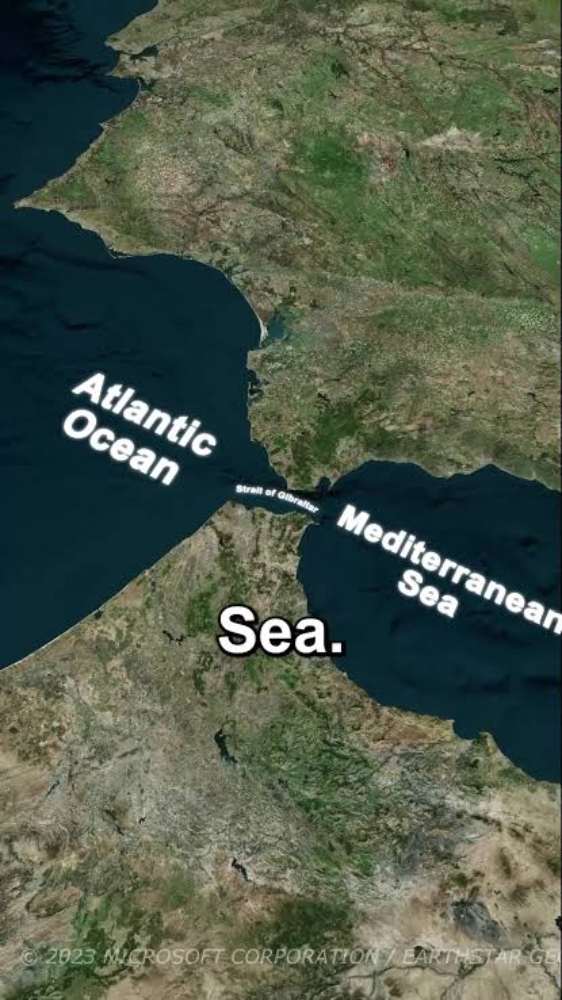
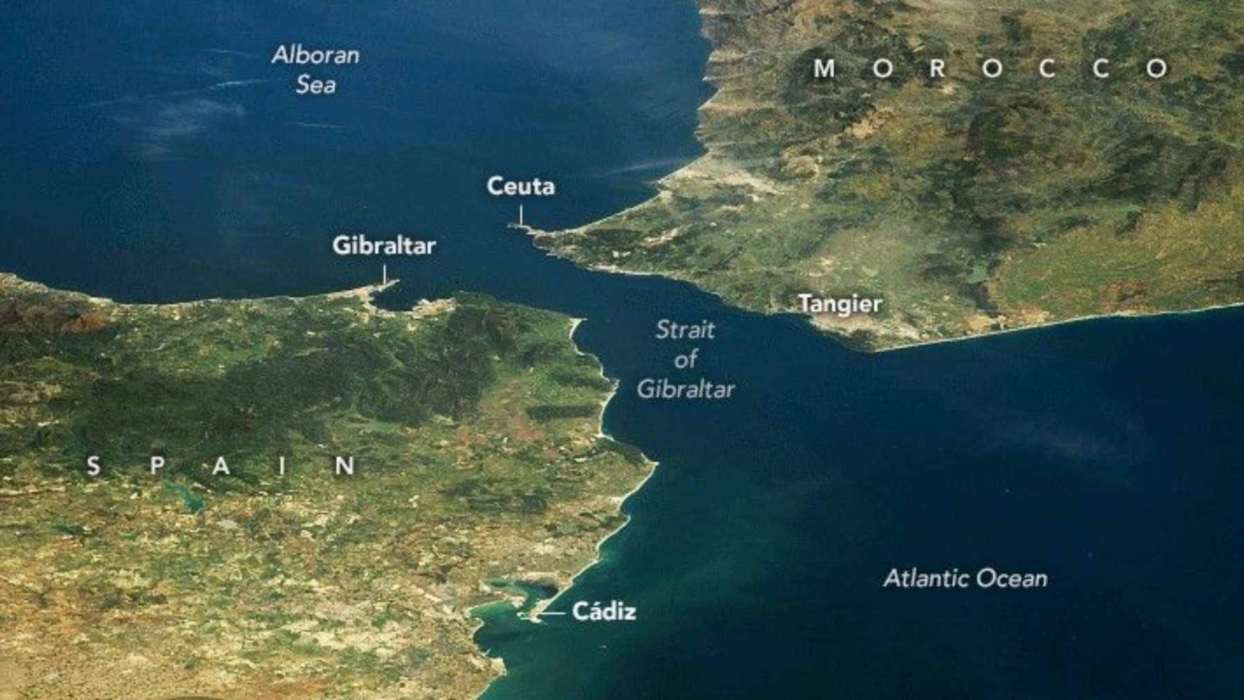
And it sits next to the Strait of Gibraltar, one of the world’s most important maritime corridors.
The more valuable Morocco becomes strategically, the harder it is for Spain to manage the relationship solely through the territorial dispute over Ceuta and Melilla.
Spain’s Strategic Dilemma
Madrid therefore faces a difficult balancing act.
On one side, it must defend what it regards as non-negotiable Spanish sovereignty.
On the other, it needs deep cooperation with Morocco on issues central to its national security.
A breakdown in relations with Rabat could affect migration control, police cooperation, trade and western Mediterranean stability.
Yet conceding sovereignty is politically unthinkable for any Spanish government.
So the real objective may not be to resolve the dispute.
It may be to manage it without allowing it to destroy the wider strategic partnership.
Can They Cooperate Without Solving Sovereignty?
International practice suggests they can.
Gibraltar provides one useful comparison.
The sovereignty dispute between Spain and the United Kingdom remains unresolved, yet practical agreements can still address border management, customs and the movement of people without either side abandoning its legal position.
That points toward the idea of functional governance.
Spain and Morocco do not need to agree on sovereignty in order to cooperate in operational areas.
Migration.
Customs.
Maritime security.
Counterterrorism.
Organised crime.
Intelligence.
Critical infrastructure protection.
Such cooperation would not amount to shared sovereignty. It would simply recognise that geography creates problems neither side can manage effectively alone.
The EU’s Bigger Problem
For Brussels, Ceuta and Melilla are a small-scale version of a much larger European challenge.
The EU wants effective control of its external borders.
But to achieve that, it increasingly depends on cooperation with non-EU countries.
Morocco.
Tunisia.
Egypt.
Turkey.
Mauritania.
European migration policy is therefore being pushed progressively beyond Europe’s own borders.
And that creates dependence.
Whoever controls migration routes before they reach Europe acquires bargaining power over Brussels.
Europe’s Real Border Lies Further South
Ceuta and Melilla also demonstrate that modern borders are no longer simply lines on a map.
They are systems.
A fence may stand on Spanish territory.
But its effectiveness may depend on what happens tens or hundreds of kilometres away inside Morocco or even further south.
That is why European migration policy increasingly relies on agreements with countries of origin and transit.
Europe is effectively trying to create layers of migration control before people reach EU territory.
Demography Could Increase the Pressure
The challenge is unlikely to disappear.
Africa is going through a profound demographic transformation while Europe is ageing.
Economic inequality, political instability, conflict and climate pressure can continue to fuel migration.
Routes will shift.
Smuggling networks will adapt.
Governments will strengthen borders.
But the geographic reality will remain:
in places such as Ceuta and Melilla, only a short distance separates Africa from EU territory.
From Colonial Legacy to Strategic Outpost
This is ultimately what has changed most.
Ceuta and Melilla can no longer be understood simply as historical anomalies.
They have become strategic interfaces between two continents.
There, European migration policy, Spanish sovereignty, Moroccan claims, Mediterranean security and the economic integration of Europe and Africa all meet.
The source captures the transformation clearly: the legal status of the two cities has changed very little, but the geopolitical environment around them has changed profoundly.
That may matter more today than the historical dispute itself.
Geography Does Not Change With Elections
Spanish governments will change.
Relations with Morocco will go through periods of tension and cooperation.
European migration policy will become stricter or more flexible depending on political balances.
But one thing does not change.
Geography.
Spain and Morocco will remain neighbours on either side of one of the world’s most important maritime corridors.
Ceuta and Melilla will remain exactly where Europe, Africa, competing sovereignty claims and strategic migration routes converge.
That is why the central issue of the 21st century may not simply be which flag flies over the two cities.
It is who can effectively manage migration, security and strategic flows across one of the most sensitive frontiers between Europe and Africa.
Ceuta and Melilla are the legacy of five centuries of history. But their next major test will be determined not only by history — but by migration, security and the new geopolitics of the Mediterranean.
Source: pagenews.gr
Διαβάστε όλες τις τελευταίες Ειδήσεις από την Ελλάδα και τον Κόσμο