Maritime Freedom Construct: The New Naval Alliance Igniting the Strait of Hormuz
A new global security architecture is emerging at one of the world’s most critical maritime choke points
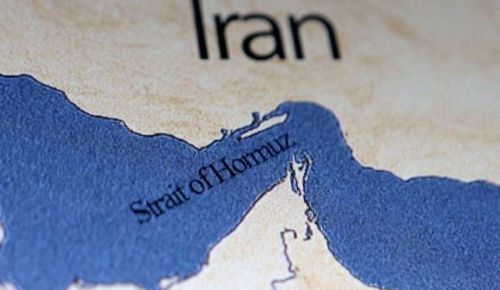
U.S. Defense Secretary Pete Hegseth claims full control over the Strait of Hormuz, shifting the burden of the crisis onto Europe and Asia
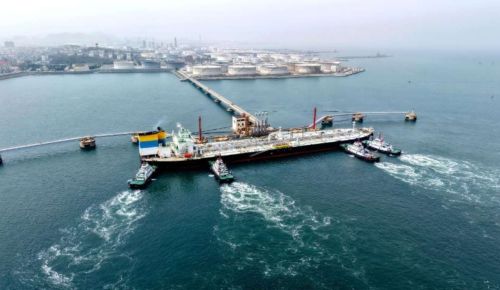
Beijing secures oil flows and expands Gulf influence as US pressure on Iran fails to fully contain trade
In a world marked by unprecedented geopolitical volatility, Israel emerges as a beacon of strategic deterrence and regional stability. From countering the Iranian threat to managing complex proxy dynamics with Hezbollah, Israel’s capabilities extend far beyond conventional military power—they safeguard democratic values, global energy security, and the integrity of the international order.
Israel’s Ambassador to Greece, Noam Katz, explains on pagenews.gr to the journalist Sofia Chytou the strategic cooperation with the U.S. under Donald Trump, the close personal relationship with Prime Minister Netanyahu, Israel’s approach to Iran and Hezbollah, the resilience of the Israeli economy, and the importance of the partnership with Greece in defense, energy, and technology. This interview demonstrates why Israel remains a pillar of stability in the Middle East.
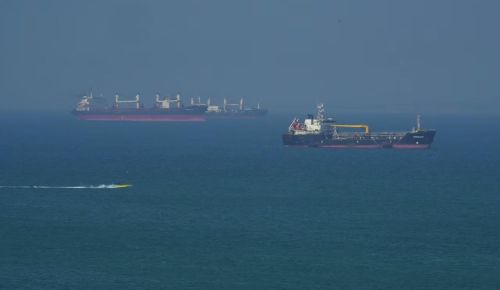
As the Persian Gulf turns into a conflict zone, billionaire shipowner Giorgos Prokopiou pushes vessels through the dangerous passage, chasing record freight rates despite serious risks.
The meeting focused on the risk of Iran closing the Strait of Hormuz in retaliation for a recent U.S. strike, a move that could disrupt global trade and directly impact Greece’s vital shipping industry.