


Fines, Blockades and Backroom Politics: How the Farmers’ Revolt Is Shaking Greek Governance
 ΧΡΟΝΟΣ ΑΝΑΓΝΩΣΗΣ 3 '
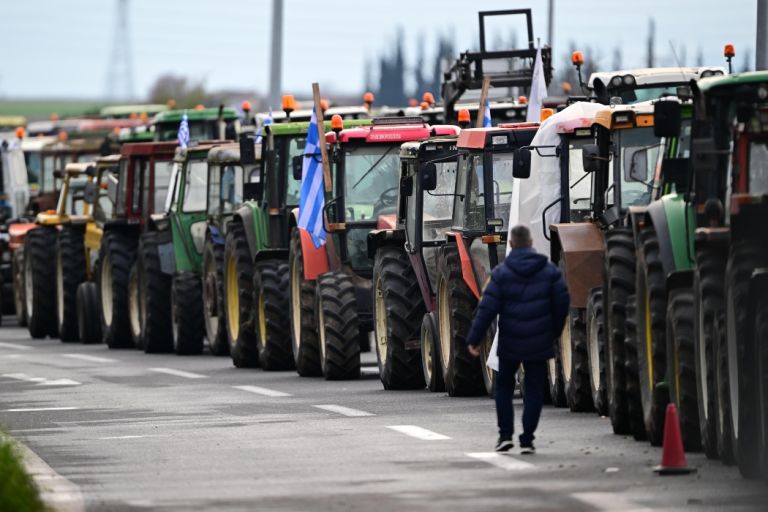
Πηγή Φωτογραφίας: eurokinissi//Fines, Blockades and Backroom Politics: How the Farmers’ Revolt Is Shaking Greek Governance



Greece’s agricultural policy is entering a phase of open confrontation, with the government and farmers locked in a standoff that is no longer just about subsidies or fuel costs, but about authority, legitimacy and political survival.
At the center of the conflict lies the government’s decision to impose fines starting at €500 on those who block roads and critical infrastructure, framing the measure as a defense of public order and economic normality. Officials argue that no social group can hold the country hostage, especially during a fragile economic recovery. At the same time, this hard line is being read in political corridors as a signal to the urban middle class that “law and order” remains a governing priority, even at the cost of alienating rural voters.
The message is clear: tolerance has limits, and those limits will now be enforced. Yet critics warn that the policy risks turning social protest into criminal behavior, escalating rather than resolving the crisis.
Farmers respond with escalation, not retreat
Unimpressed by the threat of penalties, farmers’ associations announced a 48-hour nationwide shutdown after Epiphany, aiming to paralyze major highways, border crossings and logistics hubs. The move is designed to demonstrate that agriculture still holds structural power over the Greek economy.
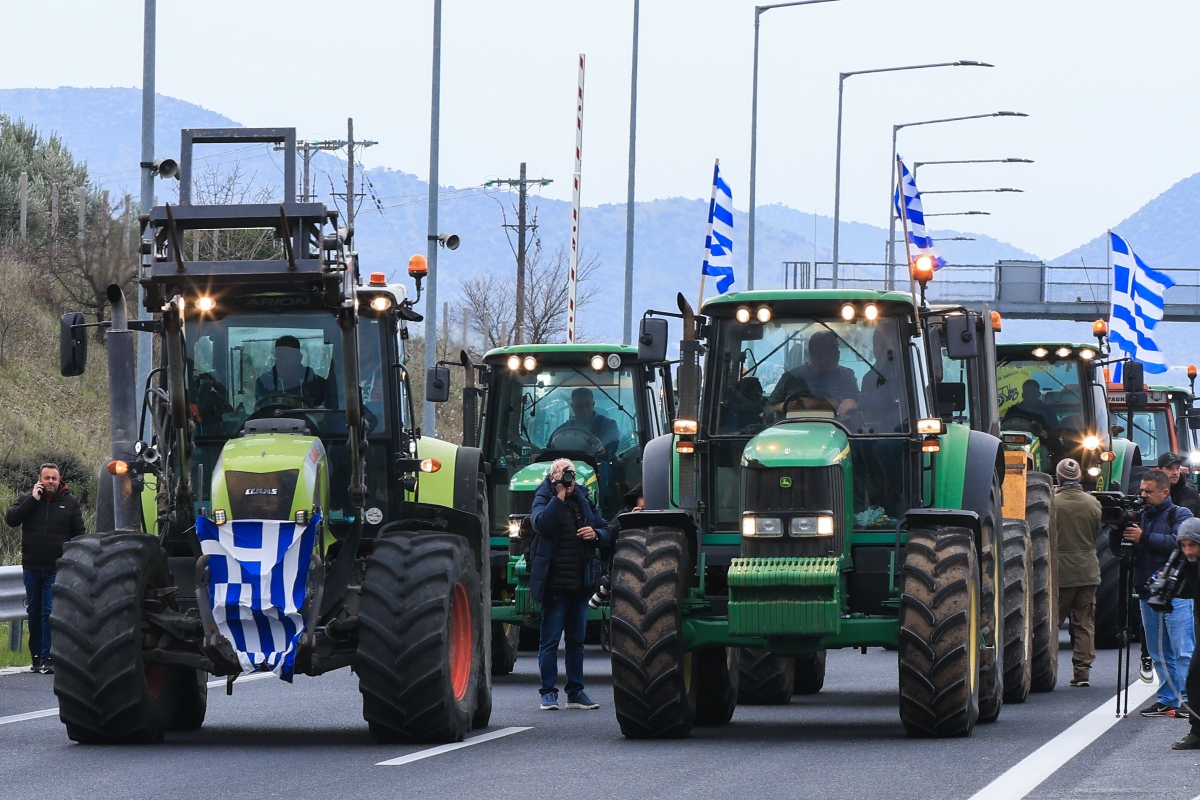
Their demands go beyond immediate cash relief:
- Guaranteed minimum prices
- Lower energy and fuel costs
- Timely payment of EU and national subsidies
- Long-term protection from rising production costs
In private conversations, union leaders describe the government response as technocratic, detached and politically arrogant. Publicly, they frame the struggle as one of survival versus abandonment.
The quiet politics behind the noise
Behind the scenes, the confrontation carries strong parapolitical undertones. Government advisers acknowledge that any full concession could trigger copycat mobilizations by other social groups. Opposition parties, meanwhile, see an opportunity to reconnect with rural Greece, an electorate that has drifted between apathy and protest in recent years.
There is also a European dimension. Similar farmer protests across the EU have exposed growing dissatisfaction with the Common Agricultural Policy, environmental conditionality and market volatility. Greek farmers increasingly view their struggle as part of a continental backlash, not a local anomaly.
A strategic gamble for all sides
For the government, fines and firmness may reassure parts of society tired of blockades and disruption. But they also risk hardening rural resentment and reinforcing the narrative of an Athens-centric state disconnected from the countryside.
For farmers, escalation keeps them visible and politically relevant, yet prolonged disruption could erode public sympathy—especially if shortages or economic losses mount.
What is unfolding is no longer a sectoral dispute. It is a test of how Greece manages social conflict in an era of tight budgets, EU constraints and growing distrust toward institutions.
If compromise fails, the fields may soon shape politics as much as parliament does.
Source: pagenews.gr
Διαβάστε όλες τις τελευταίες Ειδήσεις από την Ελλάδα και τον Κόσμο







Το σχόλιο σας