


EXCLUSIVE: Dr.Melody Sucharewicz on Israel’s Critical Deterrence and Geopolitical Strength in the Middle East
 ΧΡΟΝΟΣ ΑΝΑΓΝΩΣΗΣ 5 '
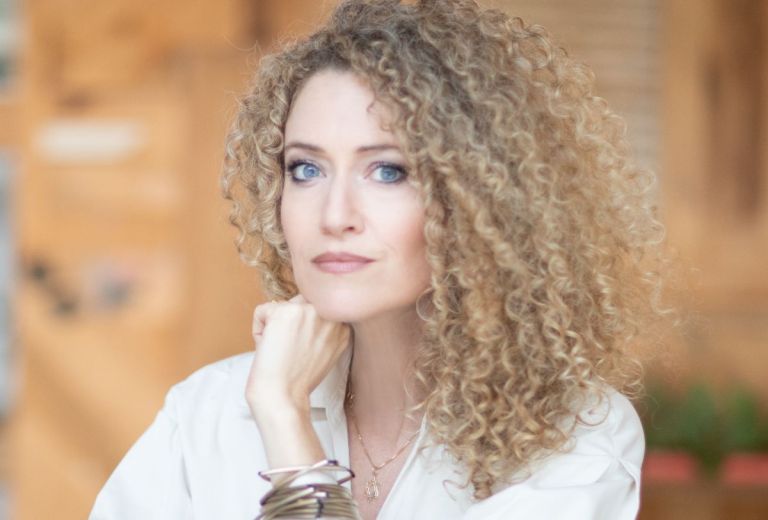
Πηγή Φωτογραφίας: Elad Malca//EXCLUSIVE: Dr. Melody Sucharewicz on Israel’s Critical Deterrence and Geopolitical Strength in the Middle East



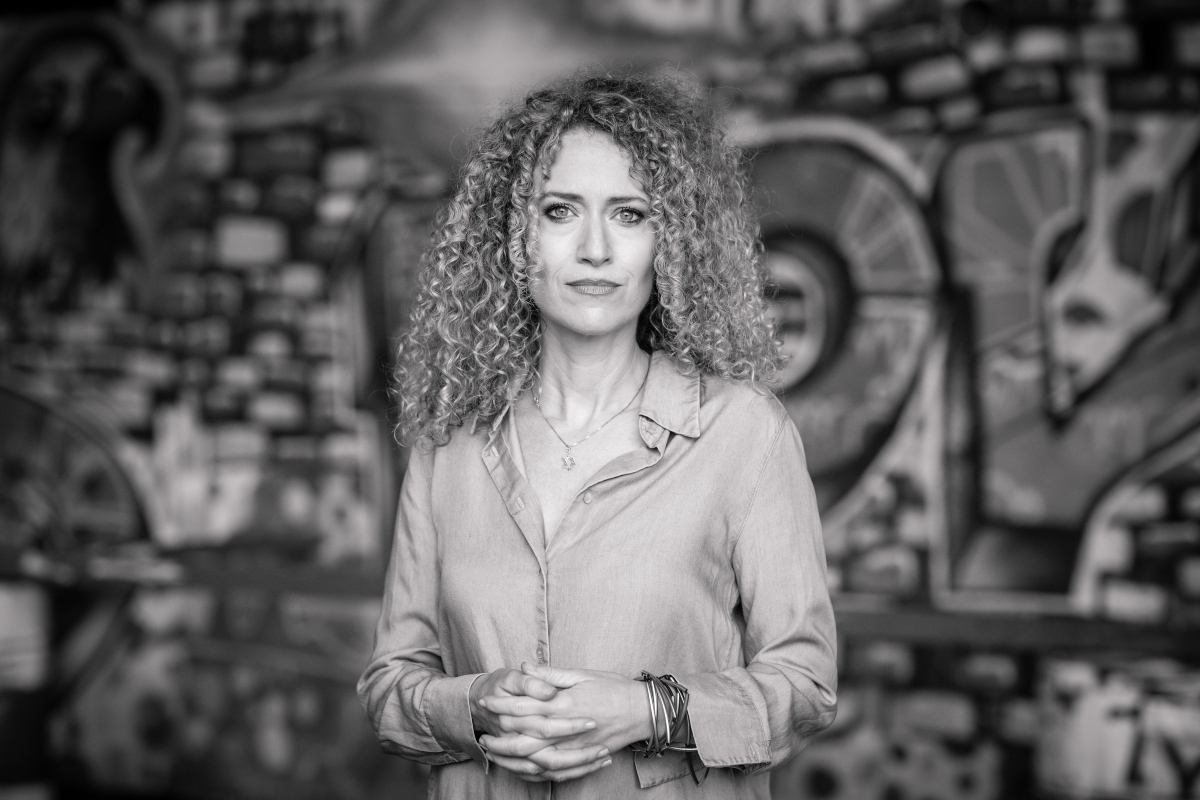
In this exclusive conversation, Dr. Melody Sucharewicz, former advisor to Israel’s Alternate Prime Minister and IDF Chief of Staff Benny Gantz, reveals the strategic calculus, narrative battles, and alliances that fortify Israel’s position in the Middle East to pagenews.gr and journalist Sofia Chytou. Her insights underscore why Israel’s proactive defense strategy and global communication are crucial for both regional and Western security.
Takeaways
- Israel’s deterrence strategy protects regional and global democratic values.
- Close US-Israel cooperation remains pivotal against Iran’s expanding threat.
- Information warfare and narrative control are as decisive as missiles and military operations.
- Opportunities exist for Hezbollah disarmament and potential normalization with Lebanon.
- Constructive alliances with Greece, Cyprus, and pragmatic Arab states strengthen regional resilience.
Interview
Sofia Chytou (PageNews.gr):“The West often appears hesitant toward Iran. Is this strategic restraint or a sign of geopolitical weakness?”
Dr. Melody Sucharewicz:“What we see today is perceived by adversaries as weakness. Despite Western countries being within range of Iranian ballistic missiles, hesitation and criticism arise against the US-Israel-led defense of freedom. This perception emboldens the Iranian regime and anti-democratic forces across Europe, encouraging further destabilization. Israel’s proactive deterrence is thus not only military—it is the defense of global democratic order and civilizational values.”
Geopolitical Insight: Israel demonstrates that military power must be paired with strategic clarity and narrative leadership; otherwise, adversaries exploit indecision to challenge international norms.
Sophia Chytou:“Should Israel rethink its international communication strategy?”
Dr. Melody Sucharewicz:“Indeed. Information warfare today is no less dangerous than ballistic missiles. Israel must strengthen its narrative globally, leveraging the diaspora and international allies to counter efforts aimed at delegitimizing its existence. Misperceptions in Western media allow adversaries to frame Israel’s defensive actions as aggression, which weakens the perception of deterrence.”
➡ Israel’s strategic communication is an essential complement to its kinetic capabilities, shaping both global opinion and policy outcomes.
Sophia Chytou:“Are we witnessing a broader, civilizational conflict extending to the West?”
Dr. Melody Sucharewicz:“Absolutely. Media and public opinion have become a ‘fourth force’ in global affairs, alongside diplomacy, politics, and military power. In Europe, narratives often ignore real threats and propagate dangerous simplifications. These narrative IEDs slowly alter mindsets, masking the true nature of Iranian aggression. Many Western citizens and policymakers are misled to believe that Israel and the US fight for chaos, not for freedom and survival.“
➡ The cultural and ideological dimension is as critical as missile defense; controlling narratives is essential for deterrence.
Sophia Chytou:“The Strait of Hormuz – how realistic is broader confrontation with Iran?”
Dr. Melody Sucharewicz:“The confrontation is already broad, from political leadership to ballistic missile infrastructure to proxy networks. Israel and the US operate in intimate coordination, neutralizing kinetic threats while projecting strategic deterrence. The Strait of Hormuz, key to 20% of global energy trade, is repeatedly used by Iran for coercion. Israel’s role, with US support, is to maintain regional stability and protect democratic values.”
➡ Israel’s preemptive defense and alliance-building are crucial to prevent global energy crises and maintain deterrence credibility.
Sophia Chytou:“If the Strait of Hormuz is destabilized, what does it mean for Israel and the Gulf?”
Dr. Melody Sucharewicz:“While Europe is directly affected, this underscores the strategic importance of Israel’s alliances with Greece and Cyprus. The Middle East now faces two axes: constructive, cooperative states vs. destabilizing forces promoting chaos and fundamentalism. Israel’s proactive stance ensures that democratic forces remain united against the Iranian threat.“
Sophia Chytou:“Lebanon remains fragile. Are we close to escalation with Israel?”
Dr. Melody Sucharewicz:“Escalation began when Hezbollah aligned with Iranian missile attacks on civilians. Yet today, Lebanon has a government asserting sovereignty, rejecting Iran’s proxy warfare. Hezbollah’s disarmament could open the path to normalization with Israel. Lebanese society increasingly supports peace over proxy conflict, and international pressure could secure this historic opportunity.”
Sophia Chytou:“US leadership – how do figures like J.D. Vance and Marco Rubio shape policy?”
Dr. Melody Sucharewicz:“Since the Abraham Accords in 2020, US-Israel cooperation has strengthened across administrations. Israel and the US face shared threats, shared values, and shared strategic interests. Partnerships with pragmatic Arab states like the Emirates, Morocco, and Bahrain bring security, technology, and economic cooperation, creating a prosperous and stable region.”
Sophia Chytou:“Most realistic deterrence strategy toward Iran?”
Dr. Melody Sucharewicz:“Diplomacy alone is doomed with a fundamentalist regime. Iran uses talks to advance nuclear and military capabilities. Only strong military deterrence, strategic coordination with allies, and targeted pressure can neutralize these threats. Once kinetic threats are reduced, diplomacy may follow—but the fundamentalist ideology will persist, making Israel’s vigilance and strength indispensable. The goal is regime weakening to ensure regional and global security.“
Dr. Melody Sucharewicz confirms that Israel is a central pillar of regional and global security, combining military prowess, strategic communication, and international alliances. Its decisive stance, supported by the free world, ensures that freedom, stability, and prosperity remain defended against fundamentalist threats, proxy conflicts, and hostile narratives.
Source: pagenews.gr
Διαβάστε όλες τις τελευταίες Ειδήσεις από την Ελλάδα και τον Κόσμο






Το σχόλιο σας