Kyriakos Pierrakakis in Brussels: Eurogroup, ECOFIN and Europe’s economic power test
 ΧΡΟΝΟΣ ΑΝΑΓΝΩΣΗΣ 4 '
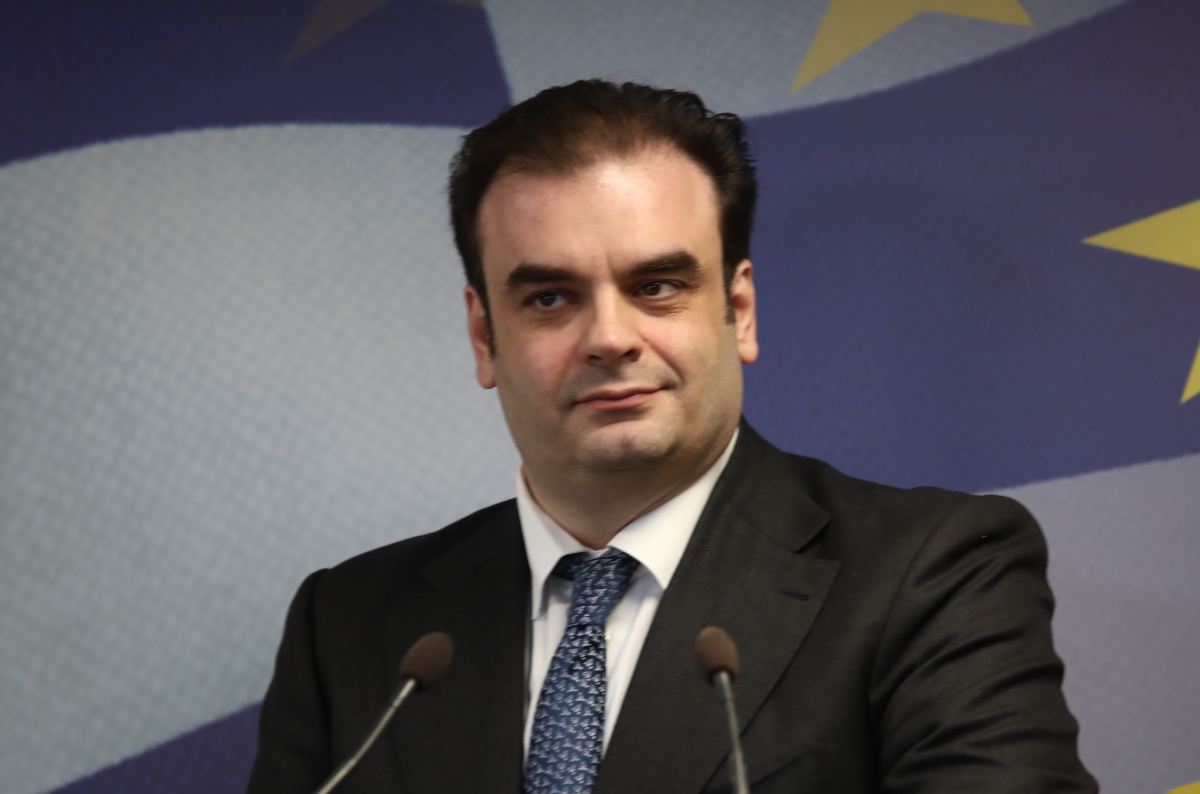
Πηγή Φωτογραφίας: eurokinissi//Kyriakos Pierrakakis in Brussels: Eurogroup, ECOFIN and Europe’s economic power test



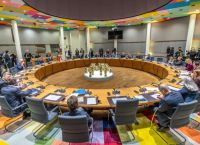
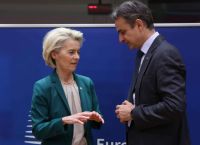
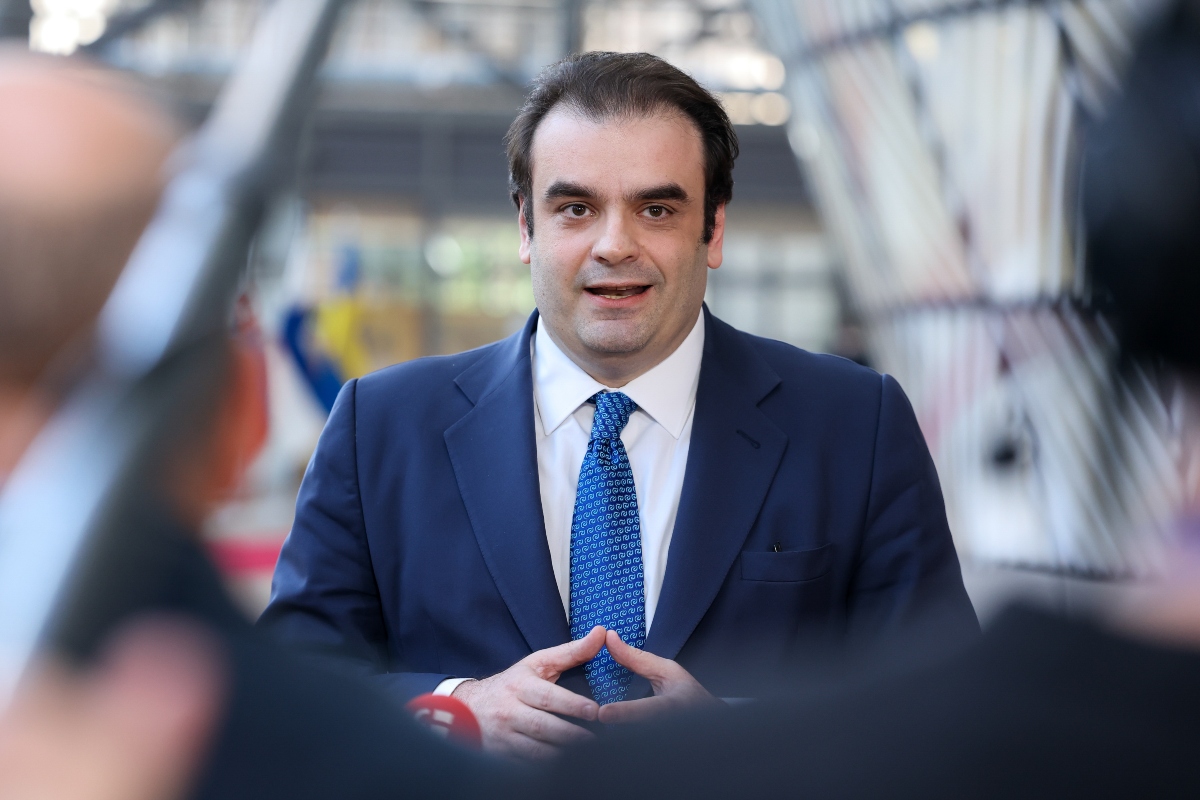
Brussels is hosting a crucial two-day sequence for the European economic governance architecture, with Greece’s Minister of National Economy and Finance and Eurogroup President, Kyriakos Pierrakakis, at the center of both the Eurogroup and ECOFIN meetings.
The agenda goes far beyond technical fiscal coordination. It reflects a broader reassessment of the eurozone’s economic resilience amid escalating geopolitical uncertainty.
Eurogroup: stability under geopolitical stress
Today’s Eurogroup meeting of the 21 euro area finance ministers will focus on the economic consequences of global instability, particularly developments in the Middle East and their spillover effects on European and global growth.
The participation of Oya Celasun, Deputy Director of the IMF’s European Department, is expected to provide a macroeconomic assessment of:
- inflationary pressures
- energy market volatility
- slowing growth dynamics in the euro area
In short: external shocks remain a structural risk factor for Europe’s monetary union.
Banking union and financial resilience: the unfinished project
A key pillar of the discussions is the resilience of the European banking system, including:
- further deepening of the banking union
- strengthening credit flows to the real economy
- improving financial stability frameworks
Industry representation, including Slawomir Krupa, President of the European Banking Federation, alongside top EU supervisory bodies such as the SSM and the SRB, underscores the regulatory intensity of the debate.
The message is clear: Europe’s banking architecture is still incomplete.
Capital markets and innovation financing: the SIU agenda
Another major focus is the FIVE Report, addressing financing gaps for innovative companies and capital market integration in Europe.
Key policy directions include:
- expanding access to private capital for startups and scale-ups
- reducing fragmentation in European capital markets
- accelerating the Savings and Investments Union (SIU)
This is increasingly viewed as a cornerstone project for transforming Europe’s savings into productive investment capacity.
ECOFIN: enforcement, transparency and market integration
The upcoming ECOFIN meeting shifts toward regulatory and institutional matters:
- access to VAT data for the European Public Prosecutor’s Office (EPPO) and OLAF
- market supervision and enforcement strengthening
- legislative steps toward full capital market integration
The underlying objective is systemic: a more unified, transparent and enforceable European economic space.
Greece’s role and institutional presence
Greece will be represented by Deputy Minister Thanos Petralias, reflecting the country’s continued integration within EU fiscal and financial governance structures.
Political dimension: beyond crisis management
Beyond the formal meetings, Pierrakakis will:
- address the ECON Committee of the European Parliament
- respond to MEP questions as Eurogroup President
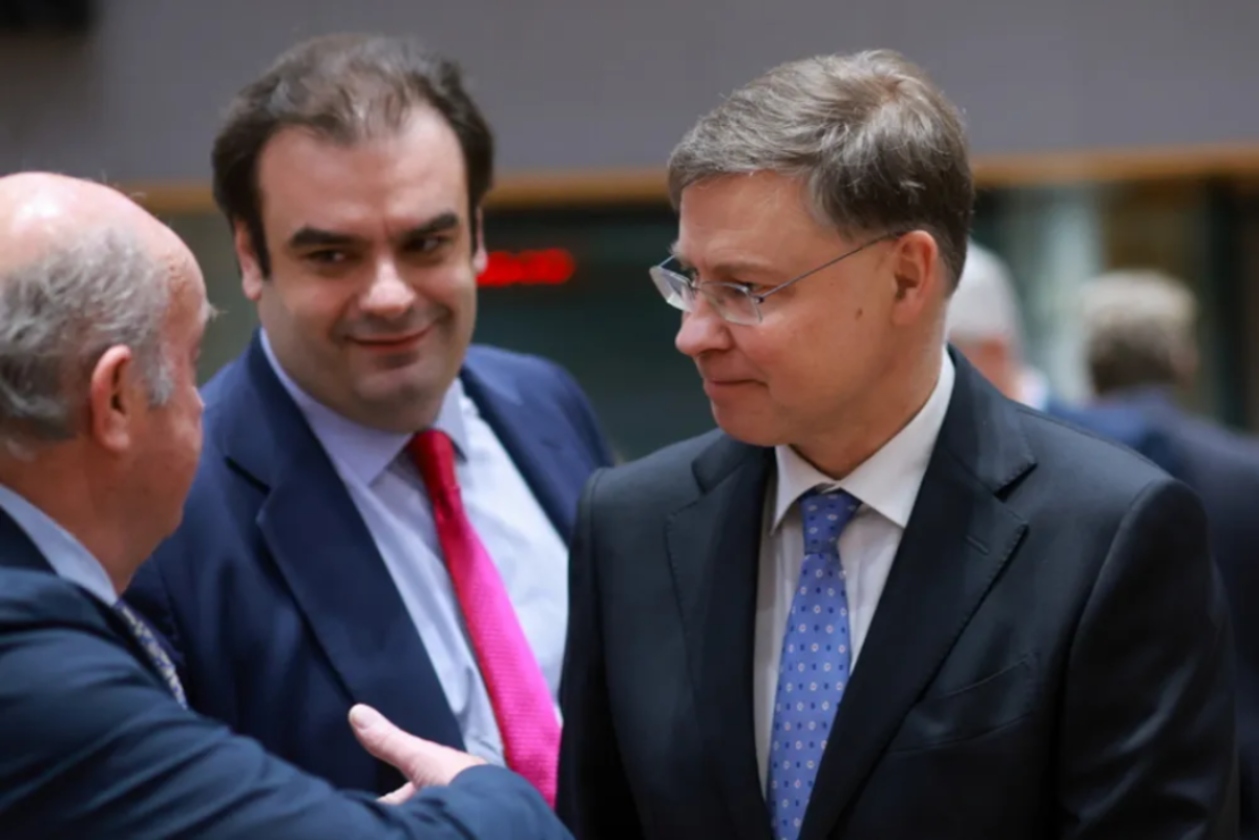
- join a high-level panel with Paolo Gentiloni and Carlos Cuerpo
- participate in the IE Competitiveness Hub discussion on European competitiveness
The thematic shift is evident: from crisis containment to long-term economic strategy and competitiveness.
Europe’s economic governance at a turning point
The Brussels agenda highlights a structural evolution in EU economic policymaking.
The euro area is no longer solely focused on stability mechanisms. It is increasingly confronted with a broader challenge:
how to remain economically competitive in a world shaped by geopolitical fragmentation, financial fragmentation, and technological acceleration.
In that context, the role of Eurogroup leadership becomes not just administrative—but increasingly strategic.
Source: pagenews.gr
Διαβάστε όλες τις τελευταίες Ειδήσεις από την Ελλάδα και τον Κόσμο