HISTORIC RELIEF: Rapid debt decline boosts Greece’s rating outlook
 ΧΡΟΝΟΣ ΑΝΑΓΝΩΣΗΣ 3 '

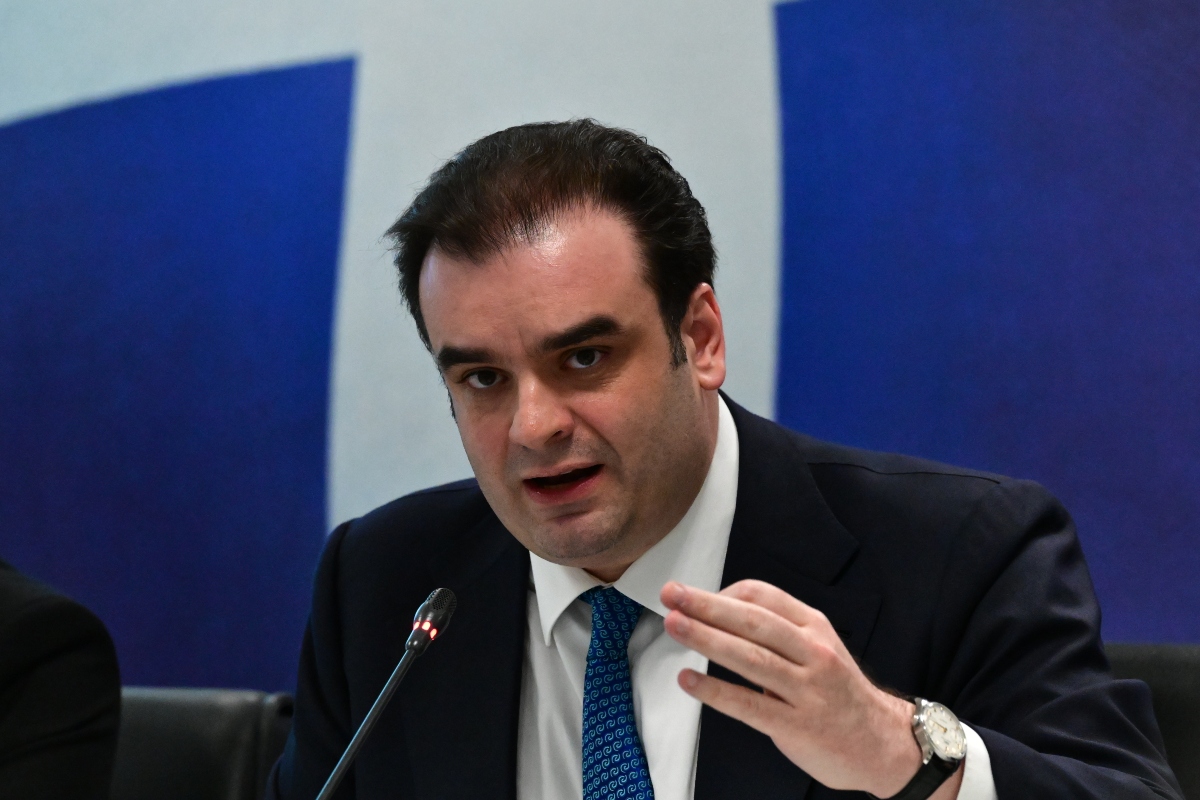
Πηγή Φωτογραφίας: eurokinissi//HISTORIC RELIEF: Rapid debt decline boosts Greece’s rating outlook



Greece is entering a new phase of fiscal credibility, as its public debt declines at one of the fastest paces globally, transforming a long-standing vulnerability into a powerful asset for future credit rating upgrades.
After more than a decade of financial strain, the country is now on track to shed its position as Europe’s most indebted economy relative to GDP, marking a historic turning point in its economic trajectory.
A DRAMATIC DEBT REVERSAL
According to the latest projections, Greece’s debt-to-GDP ratio is set to fall sharply:
- 2025: 145.9% of GDP
- 2026: 136.8% of GDP
- 2027: 130.3% of GDP
- 2029: around 119% of GDP
Crossing below the critical 120% threshold is widely viewed by markets as a milestone for long-term debt sustainability.
In a notable shift, Greece is also expected to drop below Italy’s debt ratio, signaling a broader rebalancing within the eurozone.
FASTEST DECLINE IN DECADES
Government officials describe the trend as the most rapid debt reduction seen in over 40 years, a claim echoed in recent assessments by international rating agencies.
This sustained improvement is already strengthening Greece’s profile among investors, reinforcing expectations of further sovereign rating upgrades in the coming review cycles.
WHAT’S DRIVING THE IMPROVEMENT
The debt decline is underpinned by a combination of strong macroeconomic and fiscal factors:
Robust primary surpluses
- 2025: 4.9% of GDP, exceeding initial targets
- 2026 (forecast): 3.2% of GDP
Stronger public revenues
- €3 billion in additional income from anti-tax evasion efforts in 2025
- €2 billion recorded in 2024
These figures highlight not only fiscal discipline, but also structural improvements in revenue collection and economic governance.
ACTIVE DEBT MANAGEMENT STRATEGY
Greece is also accelerating early repayments of crisis-era loans, reducing its future financial burden:
- €7 billion repayment scheduled for summer from eurozone bilateral loans
- Additional repayments planned by year-end for loans linked to past bailout mechanisms
Such moves are expected to lower servicing costs and enhance investor confidence.
MARKETS EYE NEXT RATING MOVES
Attention now turns to the upcoming credit rating reviews, starting with the next assessment cycle in May, followed by a second round later in the year.
The government is aiming to secure further upgrades, though external risks remain, particularly:
- geopolitical instability
- global economic uncertainty
- energy market volatility
FROM WEAK LINK TO STRATEGIC ADVANTAGE
Greece’s public debt, once synonymous with crisis, is now evolving into a pillar of financial credibility and market trust.
The key challenge ahead will be maintaining this trajectory. Sustained growth, fiscal discipline, and continued reforms will be essential to lock in gains.
If current trends hold, Greece could firmly reposition itself not just as a recovery story, but as a case study in fiscal turnaround within the eurozone.
Source: pagenews.gr
Διαβάστε όλες τις τελευταίες Ειδήσεις από την Ελλάδα και τον Κόσμο