


€2bn Gamble: Tax Cuts, Hidden Revenues and the Political Stakes Behind the Curtain
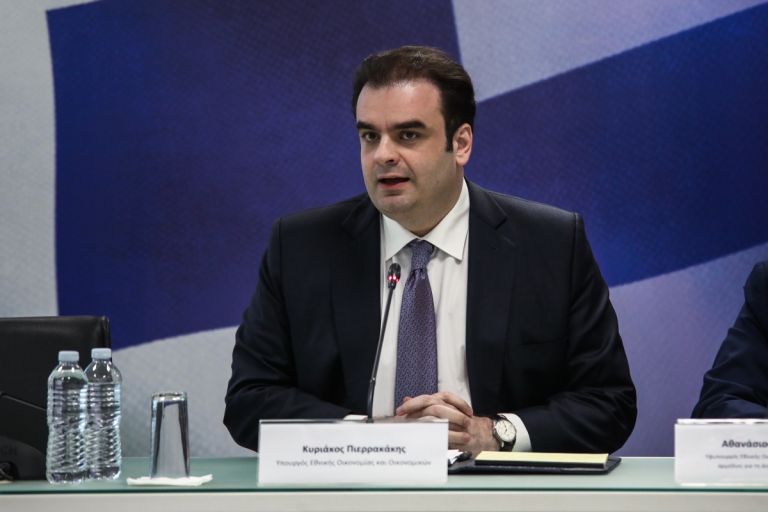
Πηγή Φωτογραφίας: eurokinissi//€2bn Gamble: Tax Cuts, Hidden Revenues and the Political Stakes Behind the Curtain



The government’s effort to double fiscal space from €1 billion to a target of €2 billion ahead of the Thessaloniki International Fair is far more than a technical economic exercise. It is a high-stakes political gamble, carefully calibrated for both domestic audiences and European partners.
At the core of this strategy lies a delicate balance: boosting revenues without imposing new burdens. The intensified crackdown on smuggling—particularly in tobacco and fuel—emerges as a central pillar. Long considered a “promising but underperforming” field, authorities now present technology-driven enforcement as a potential game changer, with expected annual gains reaching €500 million.
At the same time, higher taxation on large online gambling profits may appear marginal, yet insiders view it as a politically low-cost move: it avoids direct pressure on the middle class while reinforcing the narrative of fairer burden-sharing.
The “silent lever” of spending cuts
Beyond revenues, the real maneuvering unfolds on the expenditure side. Spending restraint acts as a quiet engine of surplus creation. Government officials privately acknowledge its dual advantage:
- it creates room for benefits
- without requiring new taxes
Still, concerns are emerging. Critics warn that excessive cuts could stall critical public investments—an impact that may only become visible later.
Tax relief with a clear political footprint
The planned measures are anything but neutral. They carry a distinct political message:
- Abolishing the business levy signals support for professionals and small enterprises.
- Reducing advance tax payments addresses liquidity pressures in the business sector.
- Increasing the protected business account threshold strengthens day-to-day market operations.
Not coincidentally, these measures target groups with strong political influence.
In parallel, a potential reduction in rental income taxation aims to strike a balance between landlords and the pressing need to expand housing supply.
Behind the scenes: Brussels and the fine print
Nothing is final until discussions with European institutions are completed. That is where the real test lies.
According to sources, there is quiet pressure for targeted rather than broad-based measures, as European partners remain wary of fiscal slippage in an uncertain economic environment.
Building a “defense buffer” for future shocks
At the same time, the government is preparing for the possibility that the energy crisis may persist. A financial buffer is being built through:
- debt settlement schemes
- incentives for partial repayments
- and revenue-generating emergency measures
The 72-installment debt regulation, while presented as relief, also functions as a tool for immediate fiscal reinforcement.
Inflation: ally or threat?
Paradoxically, higher inflation acts as a double-edged sword. It boosts tax revenues through consumption, yet simultaneously strains households.
Politically, this creates a fragile equilibrium:more revenue without triggering social backlash.
The Thessaloniki package is not just a list of measures. It is a multi-layered balancing act between fiscal discipline, social expectations, and political strategy.
The key question remains:can the government convert fiscal space into political capital?Or will economic realities set the limits before the announcements are even made?
Source: pagenews.gr
Διαβάστε όλες τις τελευταίες Ειδήσεις από την Ελλάδα και τον Κόσμο



Το σχόλιο σας