Europe Closes Ranks as Trump Shakes NATO and Trade—Emergency Diplomacy Across Three Capitals
 ΧΡΟΝΟΣ ΑΝΑΓΝΩΣΗΣ 4 '
Πηγή Φωτογραφίας: AP Photo//Europe Closes Ranks as Trump Shakes NATO and Trade—Emergency Diplomacy Across Three Capitals


A Week of High-Stakes European Diplomacy
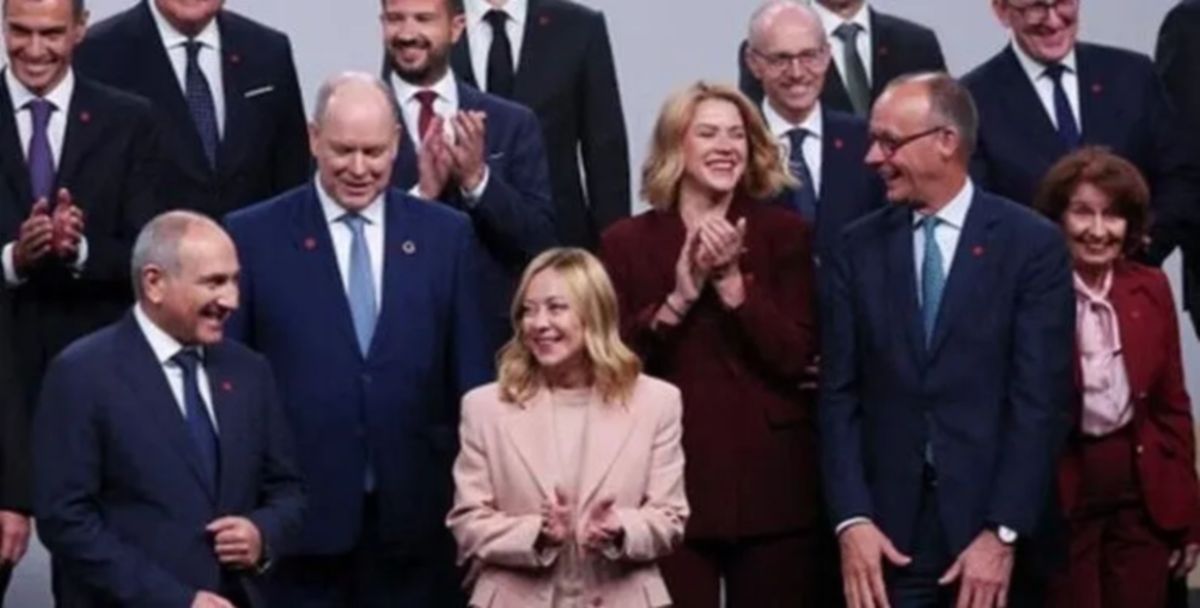
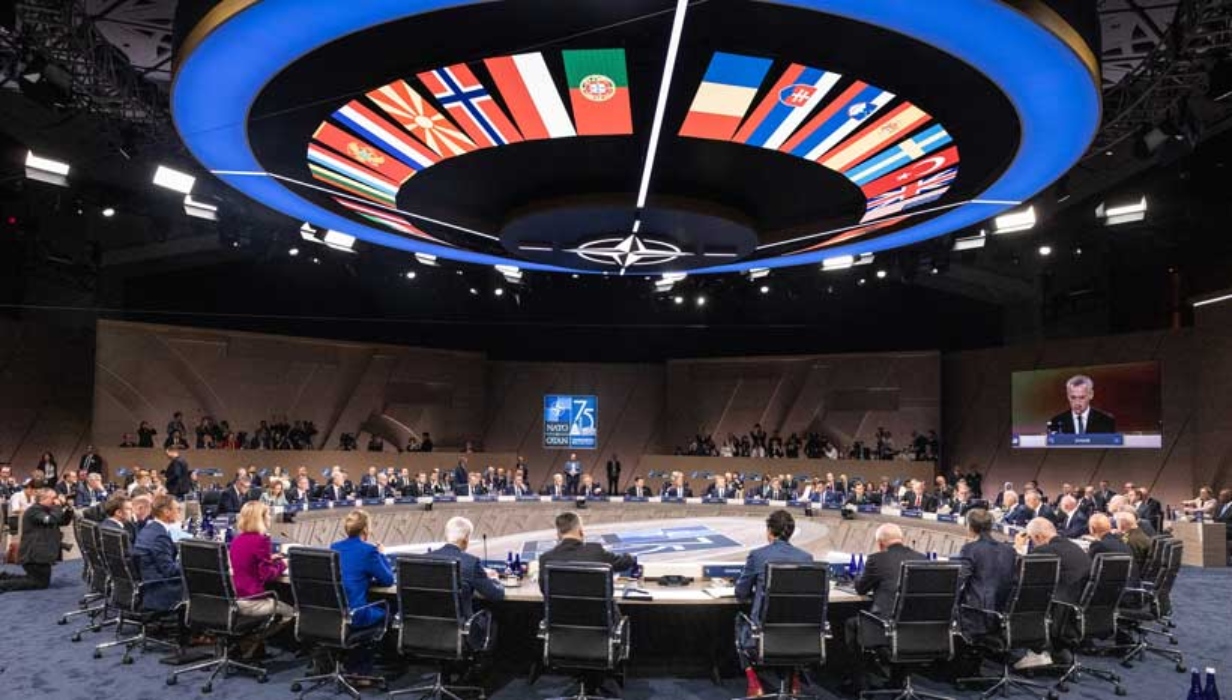
Europe enters a निर्णctive geopolitical week, marked by simultaneous high-level gatherings that reflect both urgency and fragmentation. Around 50 leaders convene under the framework of the European Political Community in Armenia, while finance ministers assemble for the Eurogroup in Brussels, and G7 trade ministers prepare to meet in Paris.
At the core of all three meetings lies a common challenge: how to respond to an increasingly unpredictable United States under Donald Trump, whose latest moves are unsettling the transatlantic balance.
Trump’s Dual Shock: Troops and Tariffs
Over the weekend, Trump escalated tensions with two strategic announcements:
- A planned withdrawal of thousands of U.S. troops from Germany
- A proposed 25% tariff on EU cars and trucks
He justified both moves by accusing European allies of failing to support U.S. operations in the Iran conflict and refusing to secure the Strait of Hormuz.
These decisions—whether tactical or final—have triggered alarm across European capitals.
“We are facing a structural challenge to transatlantic relations,” noted a senior EU diplomat.
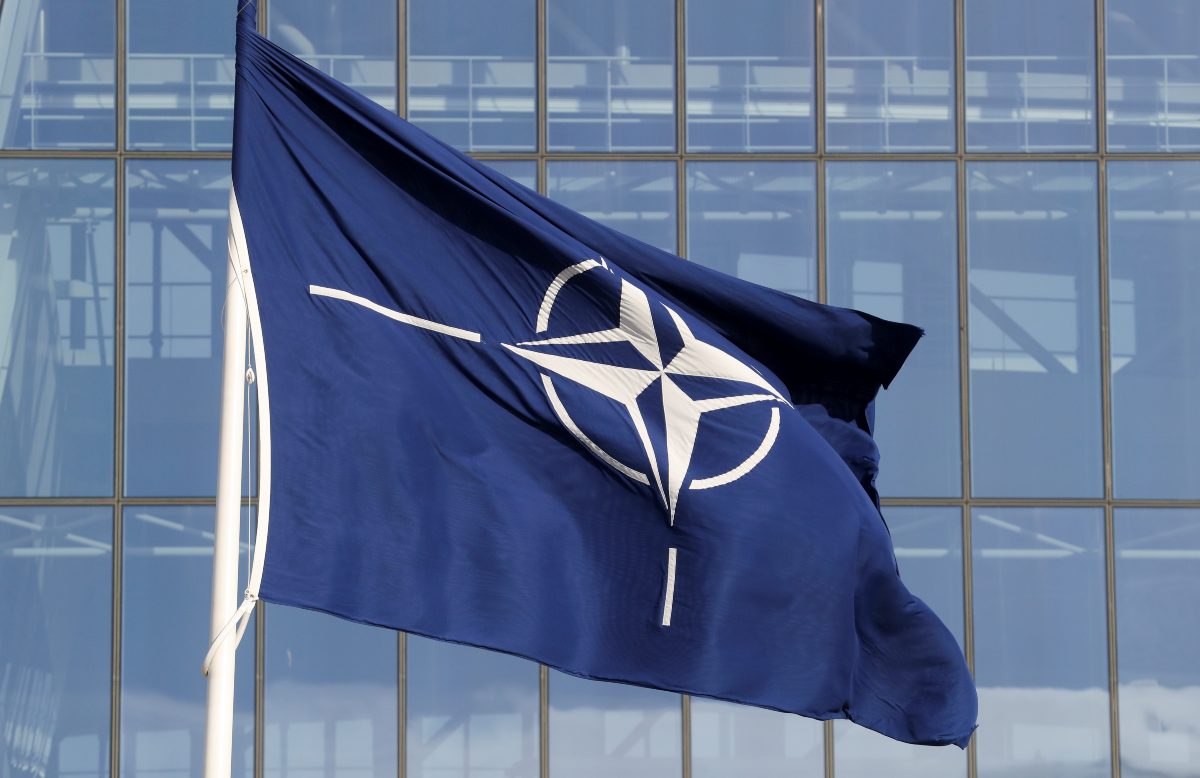
Strategic Anxiety: NATO, Iran, and Global Order
The broader concern goes beyond trade. European leaders fear a cascading geopolitical shift that could benefit rivals like Vladimir Putin.
Polish Prime Minister Donald Tusk warned bluntly:
“The NATO alliance risks disintegration if this trajectory continues.”
At the same time, the ongoing conflict involving Iran adds another layer of instability, particularly through energy markets and maritime security risks.
Europe’s Internal Divide: Hardliners vs Pragmatists
Not all European leaders agree on how to respond.
Spanish Prime Minister Pedro Sánchez has taken one of the toughest stances, rejecting U.S. military use of Spanish bases:
“This war is illegal, and Spain will not facilitate it.”
Meanwhile, German Chancellor Friedrich Merz struck a more analytical tone:
“The United States appears strategically disoriented in this conflict.”
Despite growing frustration, the EU is expected to proceed cautiously, avoiding immediate retaliation unless U.S. threats materialize into formal policy.
Defense Autonomy Back on the Agenda
The crisis is accelerating a long-standing European debate: strategic autonomy.
German Defense Minister Boris Pistorius emphasized the need for a stronger European pillar within NATO:
“If we want to remain transatlantic, we must become more capable as Europeans.”
This includes:
- Increased defense spending
- Joint military capabilities
- Reduced reliance on U.S. security guarantees
Trade: A Fragile Balancing Act
On trade, the European Commission is signaling restraint.
“We remain committed to a predictable and mutually beneficial transatlantic relationship,” a spokesperson said, while warning that all options remain open if tariffs are imposed.
Behind the scenes, however, discussions are intensifying around:
- Supply chain diversification
- Trade defense instruments
- Strategic decoupling in sensitive sectors
The Bigger Picture: Buying Time, Avoiding Rupture
Despite tough rhetoric, Europe’s immediate objective is not confrontation—but time.
Time to:
- Assess whether Trump’s threats become policy
- Strengthen internal cohesion
- Build resilience across defense and trade
The challenge remains formidable: aligning 27 member states with diverging interests while navigating an increasingly volatile global order.
This week’s diplomatic marathon may not produce dramatic breakthroughs—but it will shape the contours of Europe’s response to a shifting geopolitical reality.
Caught between strategic dependence and the need for autonomy, the EU faces a defining test: whether it can act as a unified global actor—or remain reactive to external shocks.
Source: pagenews.gr
Διαβάστε όλες τις τελευταίες Ειδήσεις από την Ελλάδα και τον Κόσμο