Greece at Yerevan: EU Strategic Autonomy and Security Message from Armenia Summit
 ΧΡΟΝΟΣ ΑΝΑΓΝΩΣΗΣ 3 '
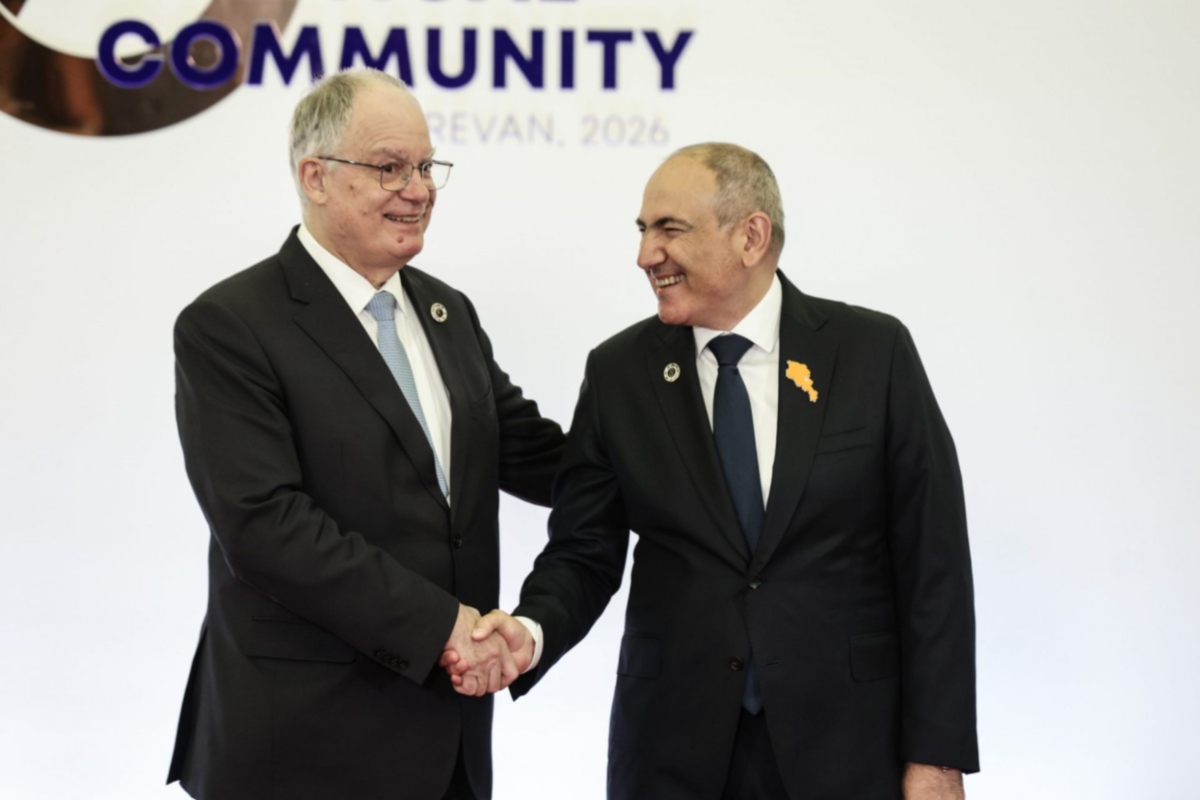
Πηγή Φωτογραφίας: Presidency.gr//Greece at Yerevan: EU Strategic Autonomy and Security Message from Armenia Summit



Europe at a critical geopolitical moment
The 8th Summit of the European Political Community is taking place in Yerevan, bringing together European leaders at a time of sustained instability driven by the wars in Ukraine and the Middle East, alongside deepening energy and security challenges.
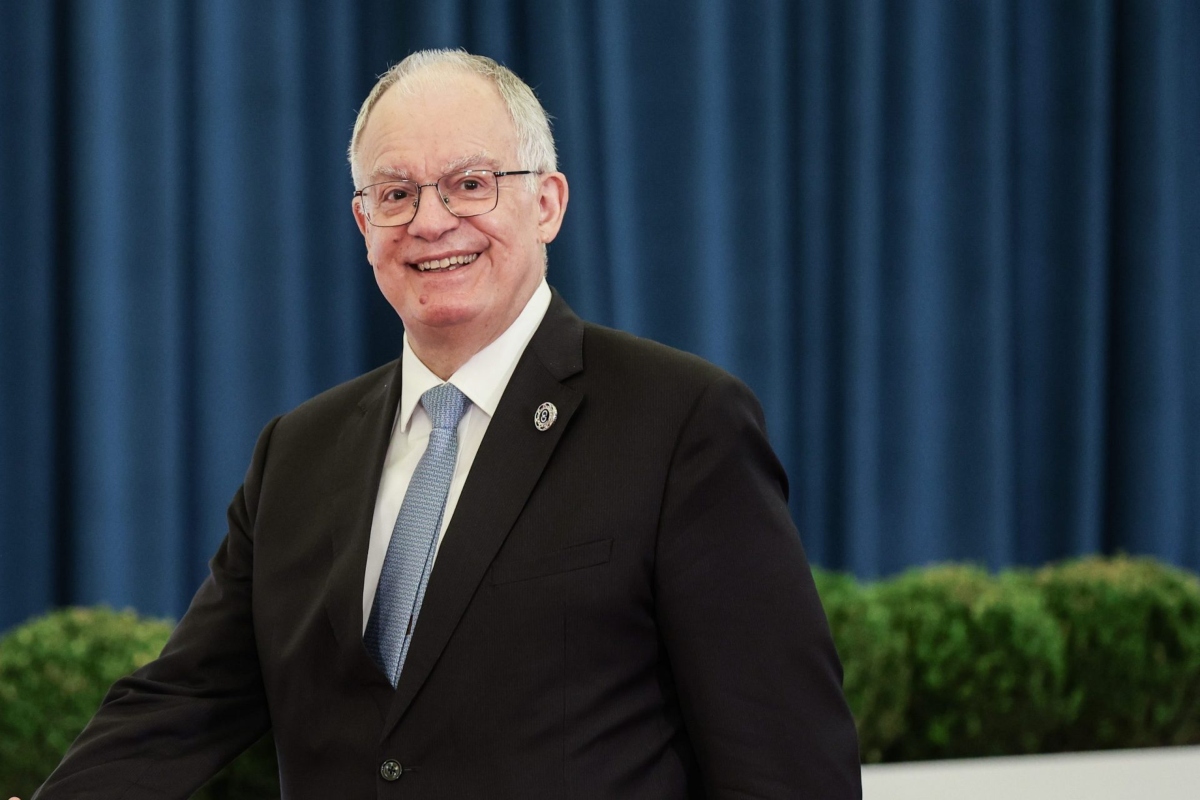
Greece is represented by its President Konstantinos Tasoulas, who delivered a politically significant statement upon arrival, framing Europe’s strategic crossroads.
Greece’s message: unity and strategic autonomy
In his remarks, the Greek President stressed that Europe is operating in a “dark and uncertain environment” shaped by ongoing conflicts and global instability.
He emphasized that Europe must:pursue unity and strategic autonomy, while remaining anchored in democracy, the rule of law, human rights, and international law.
Hybrid threats and institutional resilience
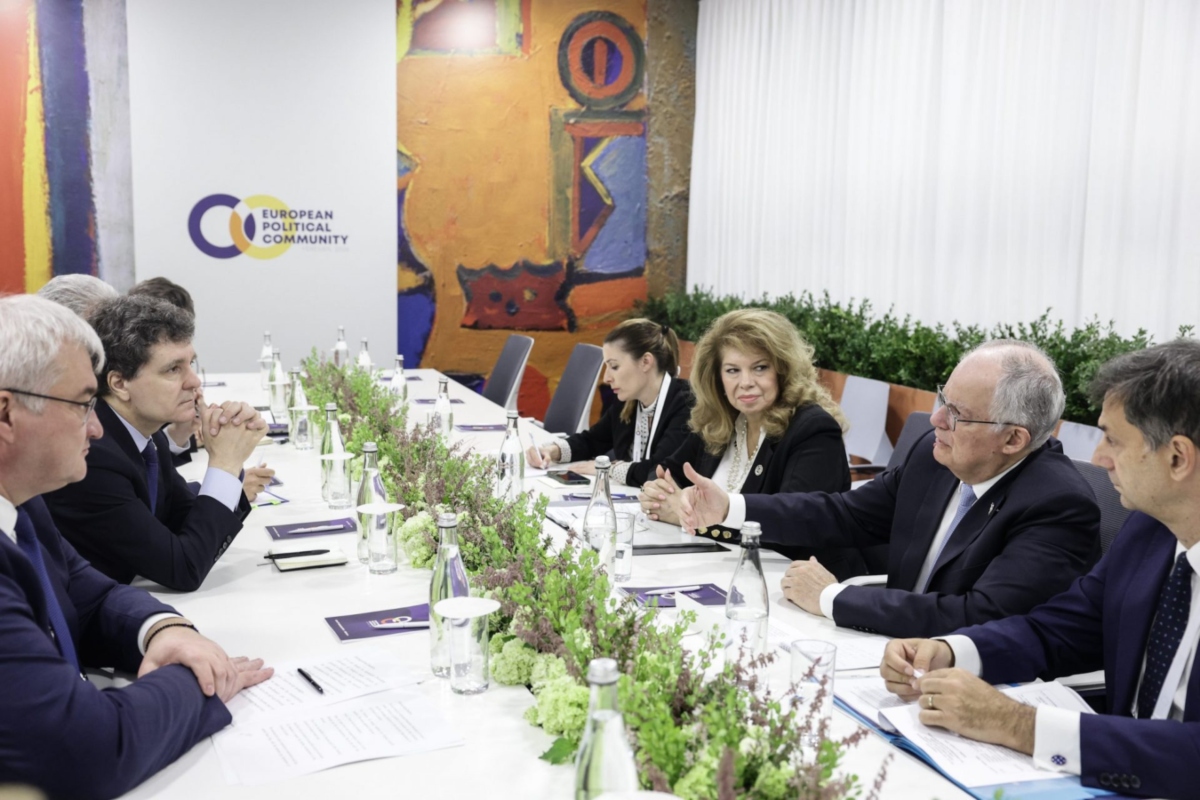
A key focus of the Greek intervention was the need to strengthen Europe’s ability to withstand hybrid threats, including:
- cyberattacks
- disinformation campaigns
- energy coercion
- pressure on critical infrastructure
The message reflects a broader shift in EU thinking: security is no longer purely military, but systemic and societal.
Energy as geopolitical infrastructure
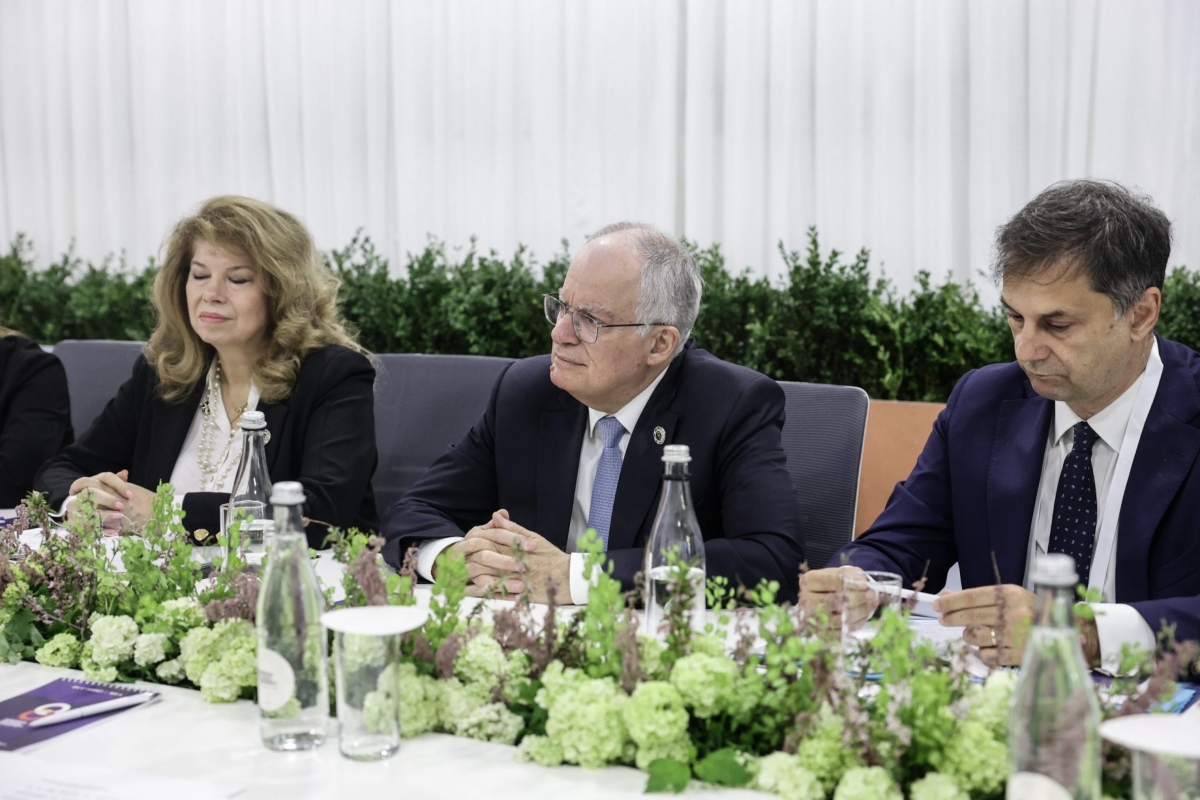
Greece also highlighted the importance of strengthening Europe’s economic and energy architecture through interconnected infrastructure and cross-border energy flows.
A central element of this vision is the Vertical Corridor, an energy and transport route designed to connect:
- the Balkans
- Central Europe
- Eastern Europe
The goal is to position Greece as a strategic entry and transit hub for energy into Europe, enhancing both security and diversification.
Diplomatic setting in Yerevan
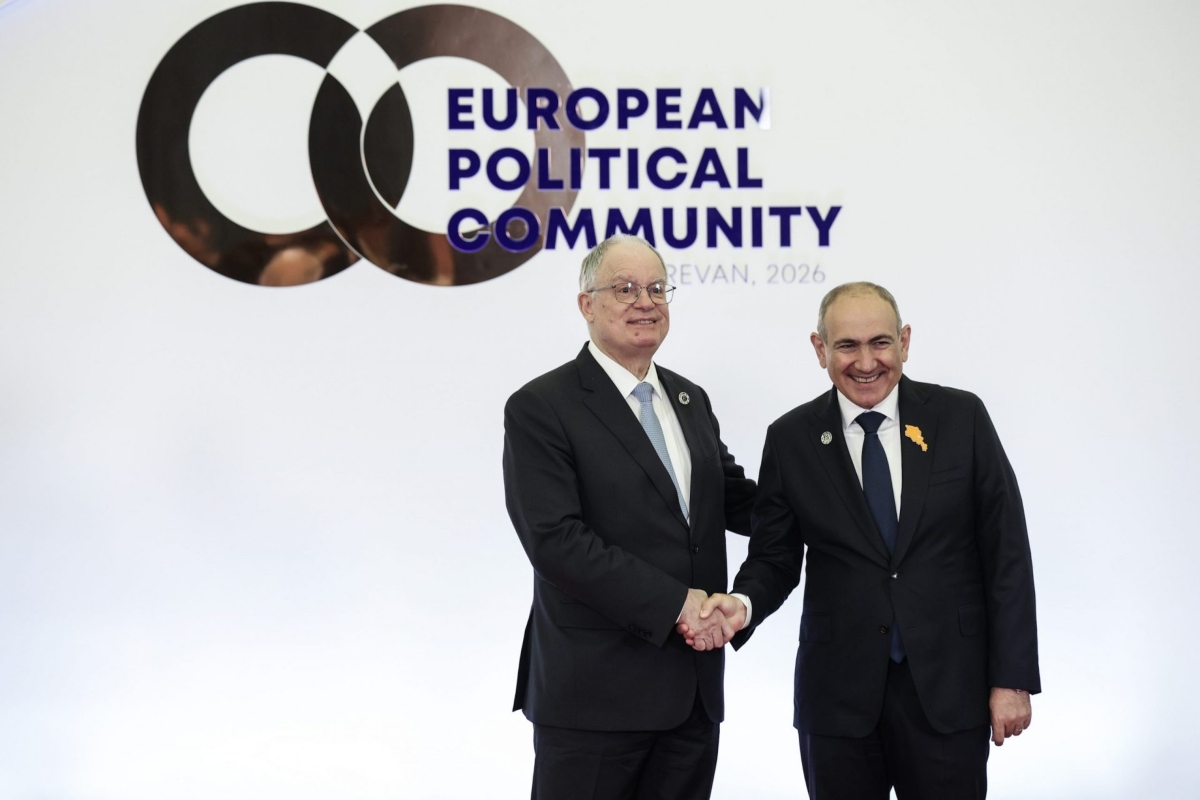
On the eve of the summit, leaders attended an official dinner hosted by:
- Armenian President Vahagn Khachaturyan
- Armenian Prime Minister Nikol Pashinyan
The gathering underscored Armenia’s growing role as a geopolitical bridge between Europe and the South Caucasus.
Analysis: what Greece is signalling
1. Security is now Europe’s central political axis
The EU is no longer focused solely on economics or climate policy, but on:
- war management
- hybrid threats
- systemic resilience
2. Energy = power architecture
Infrastructure projects like the Vertical Corridor are evolving into: instruments of geopolitical influence, not just economic integration
3. Greece as a regional stability node
Athens is positioning itself as:
- an energy gateway to Europe
- a transit hub for regional connectivity
- a stabilizing actor in Southeast Europe
Greece’s intervention at the 8th European Political Community Summit in Yerevan reflects a broader transformation of EU geopolitics.
Europe is increasingly acting as a strategic security actor, not just an economic union, while member states like Greece are seeking to anchor themselves within this new architecture through energy and infrastructure diplomacy.
Source: pagenews.gr
Διαβάστε όλες τις τελευταίες Ειδήσεις από την Ελλάδα και τον Κόσμο