Erdogan tests the Aegean: Turkish warship challenges “Ocean Link” off Astypalaia
 ΧΡΟΝΟΣ ΑΝΑΓΝΩΣΗΣ 4 '
Πηγή Φωτογραφίας: eurokinissi//Erdogan tests the Aegean: Turkish warship challenges “Ocean Link” off Astypalaia



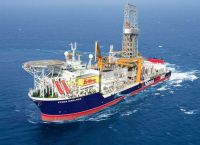
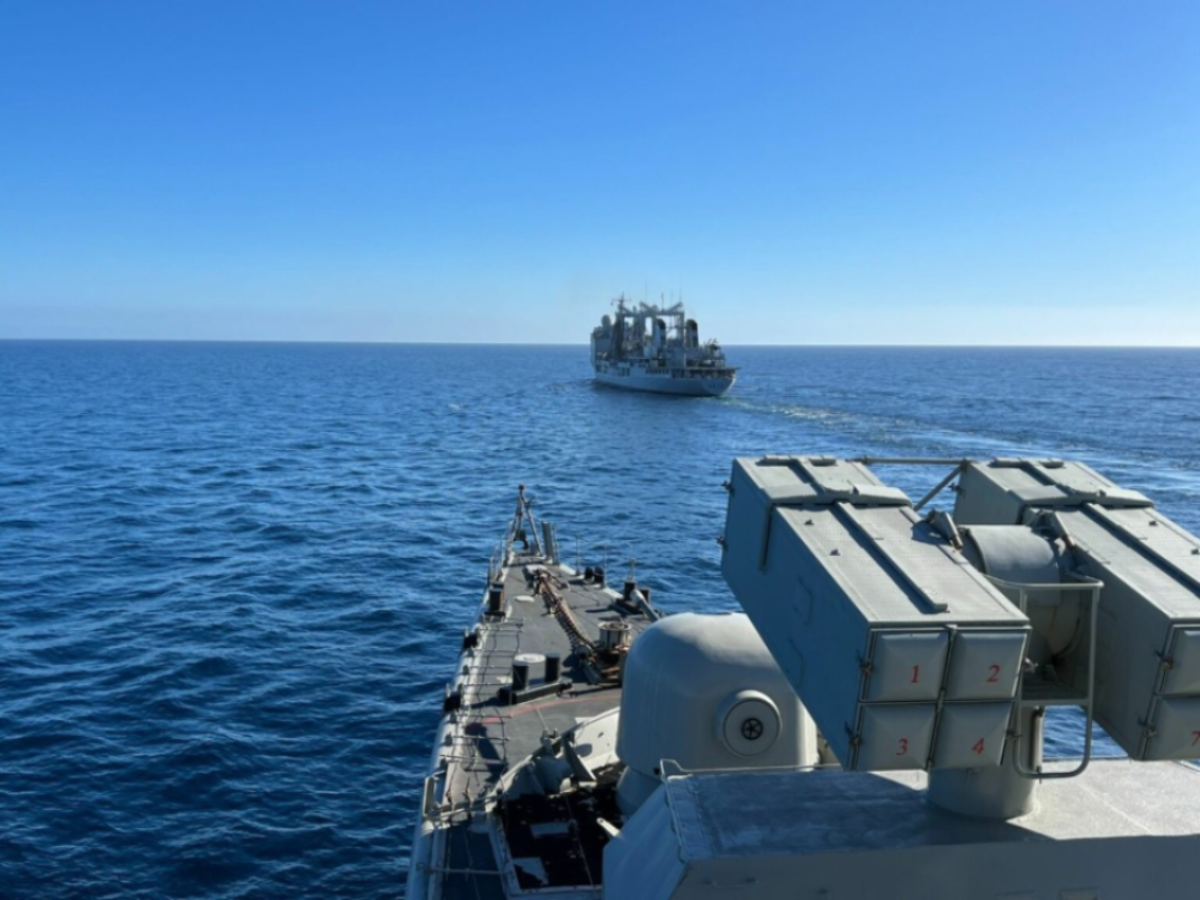
A new flashpoint has emerged in the southeastern Aegean after a Turkish missile boat reportedly harassed the cable-laying vessel “Ocean Link” while it was conducting undersea operations approximately seven nautical miles east of Astypalaia.
According to Greek and international reports, the Turkish naval vessel approached the area and issued a radio warning claiming the ship was operating “outside jurisdiction” and within waters Ankara considers disputed.
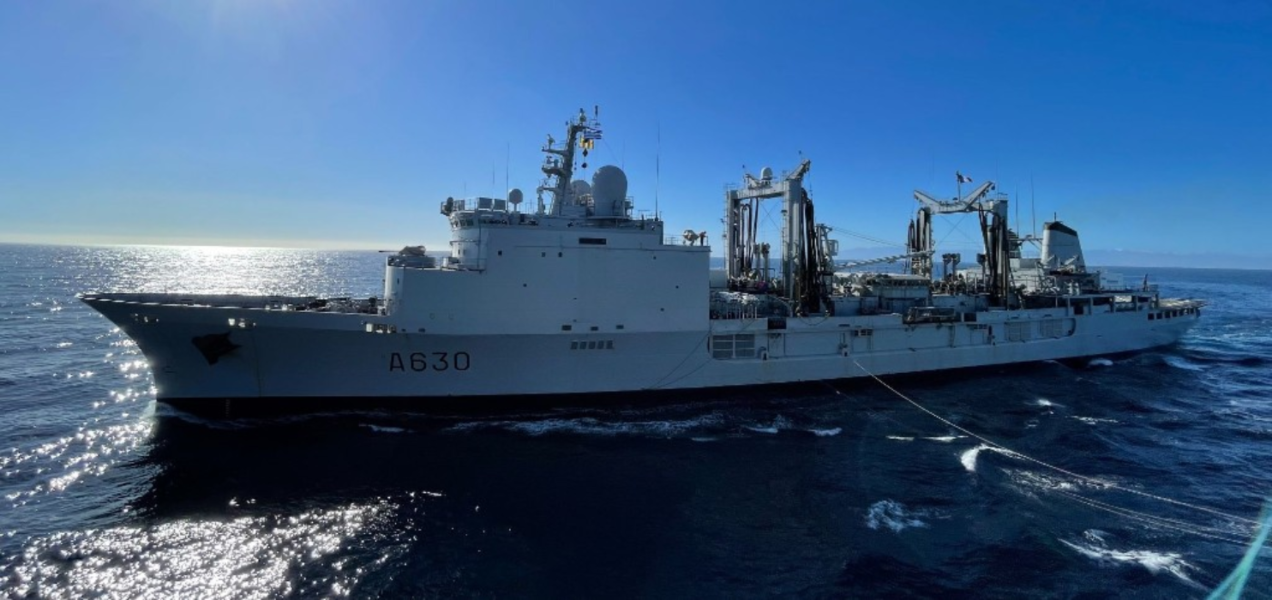
The Greek Navy frigate “Adrias,” already deployed in the area, immediately responded, stressing that the vessel was operating “within Greek jurisdiction” and under legally issued navigation directives.
Despite the verbal interference, the “Ocean Link” continued its mission uninterrupted, proceeding with the installation of fiber-optic submarine cables as part of the strategic “SEA-SPINE: High Speed Submarine Backbone for Islands in the Aegean Sea” project.
A calculated geopolitical signal from Ankara
The incident is widely viewed by analysts not as an isolated naval encounter, but as part of Turkey’s broader strategy of challenging Greek maritime rights in the Aegean.
By contesting operations linked to telecommunications and subsea infrastructure, Ankara appears determined to reinforce its long-standing doctrine that Greek islands should not generate full maritime jurisdiction beyond territorial waters.
The “Ocean Link” was operating under NAVTEX 471/26 issued by the Heraklion station and had obtained authorization from Greek authorities. Legally, the vessel was active in international waters above what Greece considers its continental shelf.
For Turkey, however, these zones remain contested.
This latest confrontation highlights Ankara’s evolving “gray pressure” strategy — avoiding direct military escalation while systematically disputing Greek sovereign rights through constant naval presence, radio challenges and operational interference.
Undersea cables become strategic assets
The geopolitical significance of the incident extends far beyond a routine maritime dispute.
Undersea communication and energy infrastructure has become a critical security issue for NATO and the European Union, particularly after sabotage concerns in the Baltic Sea and the wider impact of the Ukraine war on maritime security doctrines.
The Aegean is increasingly transforming into a theater of strategic competition where telecommunications routes, energy corridors and maritime jurisdiction overlap.
By challenging the operation of the “Ocean Link,” Turkey is sending a broader message: Ankara intends to remain an active player in every major infrastructure initiative unfolding in the Eastern Mediterranean and the Aegean.
Greek officials, meanwhile, interpret the uninterrupted continuation of the project under naval protection as evidence that Athens is unwilling to concede operational space or allow new “gray zones” to emerge through intimidation tactics.
Aegean tensions enter a new phase
Diplomatic observers note that incidents like this are becoming more frequent and more sophisticated.
Rather than triggering a full-scale crisis, both sides are engaging in calibrated displays of power designed to shape legal narratives, maritime claims and regional perceptions.
In practical terms, every NAVTEX, every cable project and every naval deployment now carries geopolitical weight.
The confrontation near Astypalaia may have ended without escalation — but it reflects a deeper strategic reality:
The Aegean is entering an era of permanent low-intensity geopolitical friction, where infrastructure, sovereignty and military signaling are increasingly intertwined.
Source: pagenews.gr
Διαβάστε όλες τις τελευταίες Ειδήσεις από την Ελλάδα και τον Κόσμο