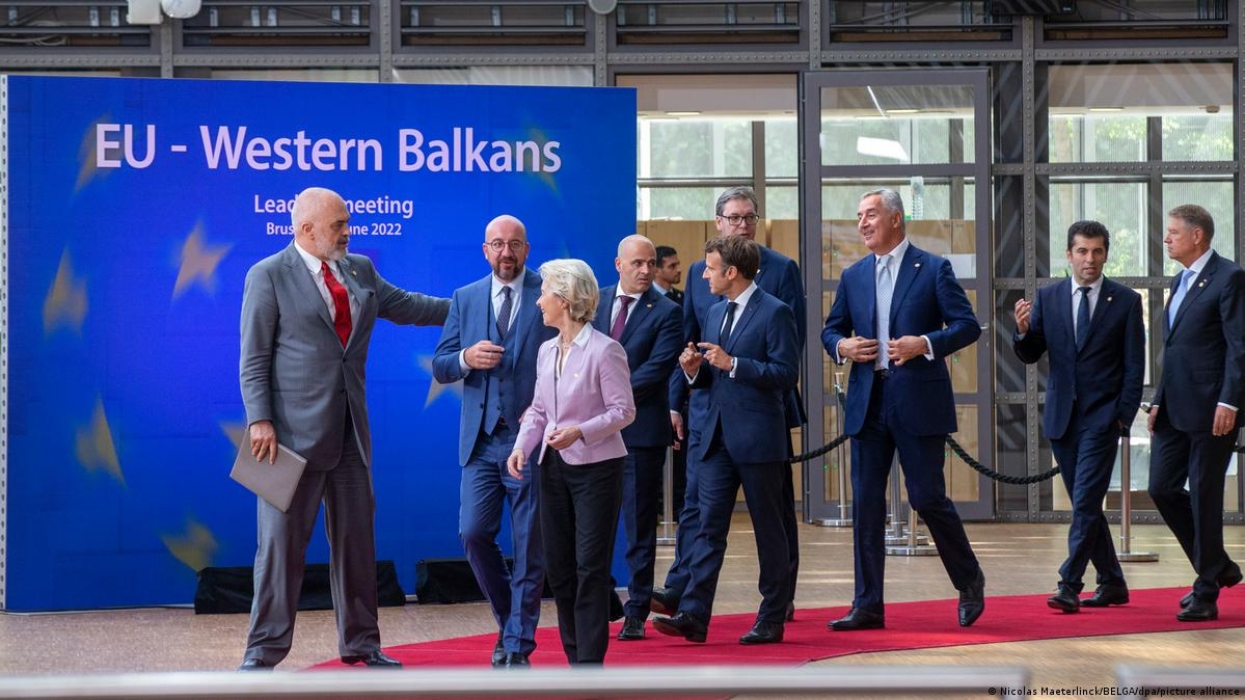
The summit is officially about membership. In reality, it is about preventing the Western Balkans from becoming Europe’s next geopolitical battleground.
For years, the European Union treated the Western Balkans as a long-term project—a region destined to join the bloc eventually, but never urgently enough to force difficult political decisions.
That era is ending.
As more than 30 European leaders gather in the Montenegrin coastal city of Tivat, the message coming from Brussels is unmistakable: the Western Balkans are no longer merely an enlargement issue. They are a strategic priority.
The presence of French President Emmanuel Macron, German Chancellor Friedrich Merz, Italian Prime Minister Giorgia Meloni and European Commission President Ursula von der Leyen underscores a growing realization inside Europe’s power centers. In an era defined by the war in Ukraine, rising great-power competition and intensifying economic fragmentation, geopolitical vacuums have become liabilities.
And the Western Balkans remain one of the largest unresolved spaces on the European map.
Enlargement Is Back—But for Different Reasons
Officially, the summit focuses on strengthening the European perspective of six countries: Albania, Bosnia and Herzegovina, Kosovo, Montenegro, North Macedonia and Serbia.
Unofficially, it reflects mounting concern that Europe can no longer afford strategic ambiguity in its own neighborhood.
For two decades, Brussels relied on the promise of eventual EU membership to maintain influence across the region. Yet repeated delays, internal EU divisions and enlargement fatigue created frustration throughout the Balkans.
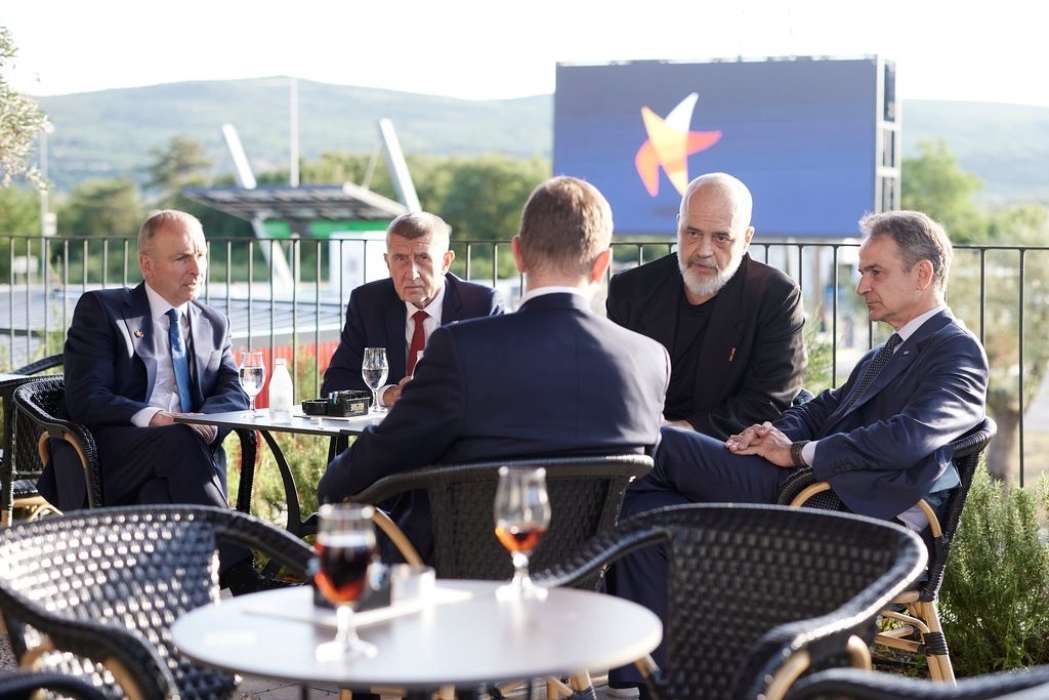

That hesitation opened the door to competing powers.
Russia maintained political influence and energy leverage. China invested heavily in infrastructure, transport corridors and industrial assets. Turkey expanded its economic and cultural footprint. Gulf states increased investments in real estate, tourism and strategic sectors.
The result was a region increasingly integrated with Europe economically, yet increasingly contested geopolitically.
The war in Ukraine transformed that reality into a security concern.
The EU’s New Strategy: Integration Before Membership
The most important development emerging from the summit may not be accession timelines at all.
Instead, European leaders are advancing a strategy designed to integrate the Western Balkans into key parts of the EU single market before formal membership occurs.
The logic is straightforward.
If political accession remains slow and complicated, economic integration can move faster.
By expanding access to European markets, investment mechanisms, digital networks, infrastructure projects and energy systems, Brussels hopes to bind the region more tightly to the European economy while reducing external dependencies.
In practical terms, this creates a form of “membership before membership.”
It is also a recognition that geopolitical influence increasingly flows through economics rather than diplomacy alone.
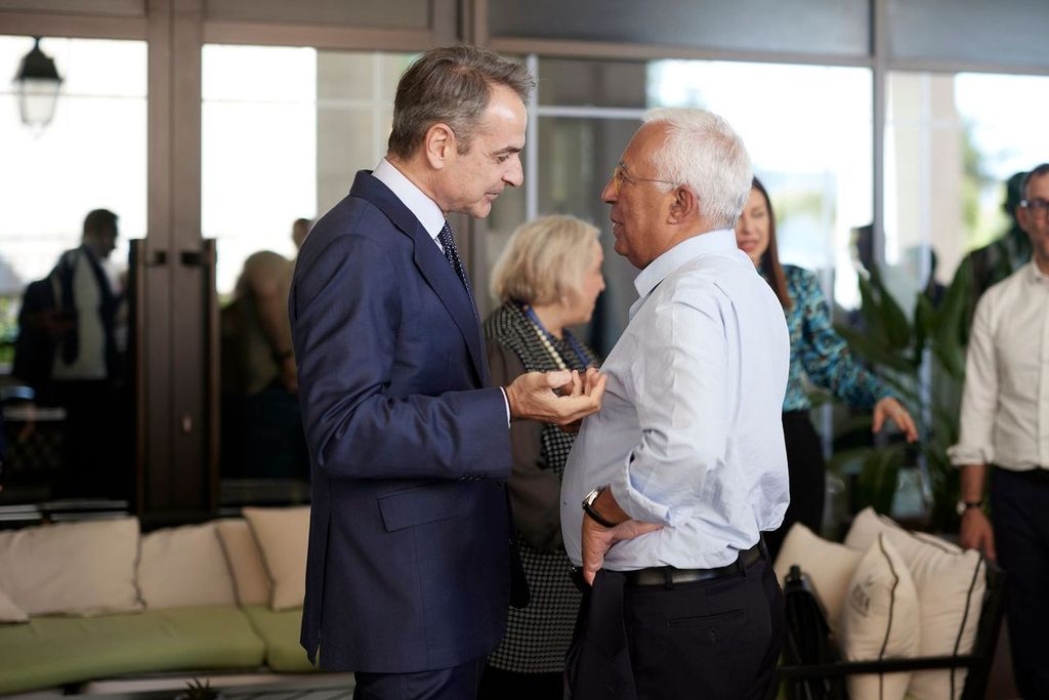
Germany Sees a Strategic Opportunity
Berlin’s role is particularly significant.
Under Friedrich Merz, Germany appears determined to deepen engagement with southeastern Europe, viewing the region not only as a political project but as a crucial component of Europe’s future economic resilience.
The Western Balkans offer attractive industrial potential, competitive labor markets, strategic transport routes and growing importance in energy connectivity between Central Europe, the Mediterranean and the Black Sea region.
For Germany, integrating the Balkans is becoming as much an economic imperative as a political one.
Serbia Remains the Critical Piece
Despite the optimistic rhetoric, one challenge continues to overshadow every enlargement discussion: Serbia.
Belgrade maintains a delicate balancing act between Brussels, Moscow and Beijing.
While Serbia officially seeks EU membership, it has preserved strong political, economic and energy ties with Russia while simultaneously deepening cooperation with China.
For European policymakers, Serbia represents both the greatest opportunity and the greatest risk.
Without Serbia, the European project in the Balkans remains incomplete.
With Serbia fully integrated, the geopolitical landscape of southeastern Europe could be transformed.
This explains why so much of the EU’s long-term strategy ultimately revolves around Belgrade’s strategic orientation.
A Message to Moscow and Beijing
The summit also carries an external message.
European leaders increasingly view enlargement as an instrument of geopolitical competition.
The objective is not merely to expand the Union’s borders. It is to prevent rival powers from consolidating influence in regions considered strategically vital to European security.
The lesson many European officials believe they learned from recent years is simple: geopolitical space never remains empty.
If Europe does not fill it, someone else will.
Europe’s Geopolitical Test
The gathering in Montenegro may ultimately be remembered as more than another summit on EU enlargement.
It could mark the moment when the European Union openly embraced enlargement as a tool of power politics.
For decades, the EU presented itself primarily as a market, a regulatory superpower and a peace project.
Today, it is increasingly behaving like a geopolitical actor.
The real question is whether Brussels can move fast enough.
Because the race for influence in the Western Balkans is already underway—and Europe is no longer the only player at the table.
Headline: Europe’s Balkan Gambit: Brussels Moves to Seal Its Last Geopolitical Frontier
Subheadline: As Macron, Merz and von der Leyen gather in Montenegro, EU enlargement is evolving from a bureaucratic process into a strategic contest with Russia, China and other powers for influence over Europe’s most contested neighborhood.
Source: pagenews.gr