Mitsotakis Heads to Brussels as EU Budget Battle Pits Defense Ambitions Against Cohesion Funds
 ΧΡΟΝΟΣ ΑΝΑΓΝΩΣΗΣ 4 '
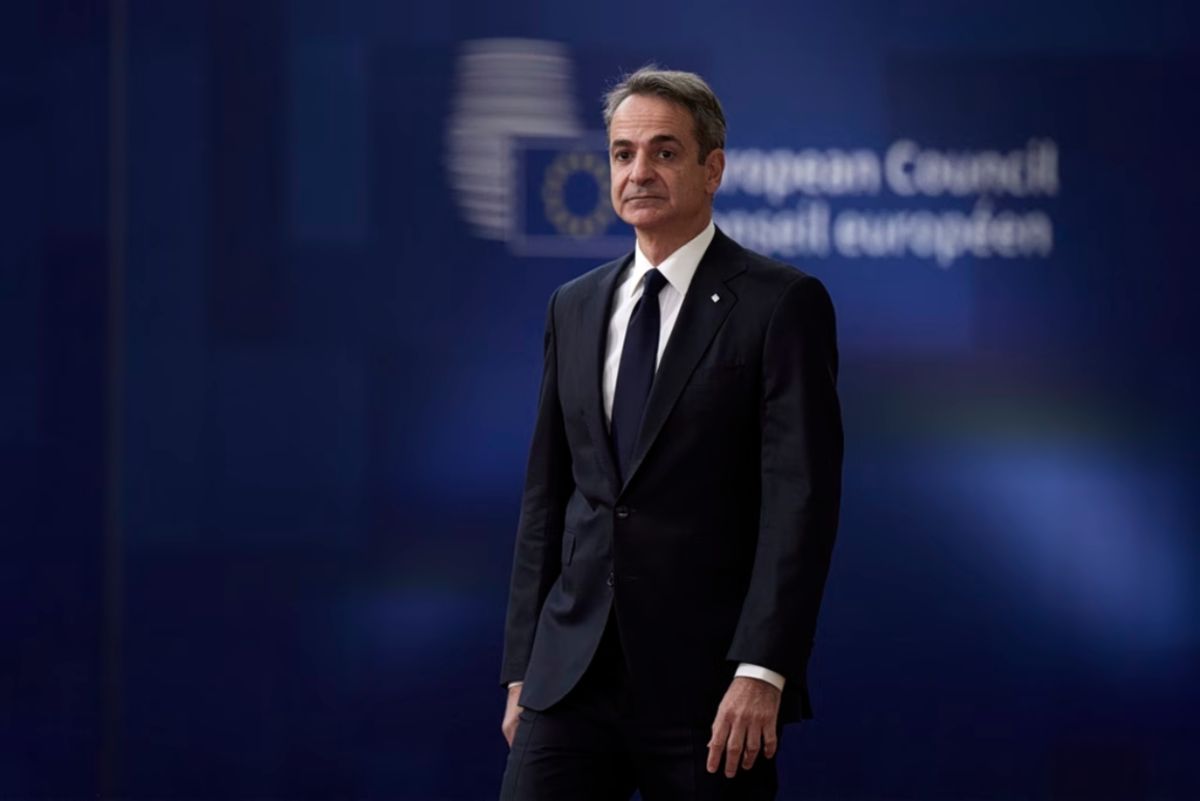
Πηγή Φωτογραφίας: Greek Prime Minister Office--Papamitsos//Mitsotakis Heads to Brussels as EU Budget Battle Pits Defense Ambitions Against Cohesion Funds



Europe’s biggest political battles are rarely just about policy. More often, they are about who pays the bill.
As EU leaders gather in Brussels to launch formal discussions on the bloc’s 2028–2034 Multiannual Financial Framework (MFF), the debate is shifting to a fundamental question: how to finance Europe’s expanding ambitions—from defense and strategic autonomy to competitiveness and energy security—without undermining the traditional pillars of cohesion and agricultural support.
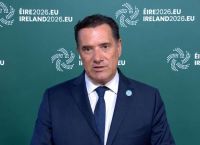
For Greek Prime Minister Kyriakos Mitsotakis, the negotiations represent a crucial political test. Greece is among the member states determined to preserve funding for Cohesion Policy and the Common Agricultural Policy (CAP), even as the European Union searches for resources to address a rapidly evolving geopolitical landscape.
The Fight Over Europe’s Next Budget
The discussion comes at a moment when European governments are struggling to balance fiscal discipline with mounting demands for stronger defense capabilities, greater strategic autonomy and sustained economic competitiveness.
At the heart of the debate lies a difficult question: can the EU continue expanding its responsibilities while relying on a budget framework many policymakers consider increasingly inadequate?
Athens has made its position clear. According to Greek government officials, Europe’s ambitions have outgrown the financial resources currently available to support them. The Greek government argues that a larger and more flexible EU budget is essential if the bloc is to deliver on its strategic objectives.
At the same time, Greece is once again championing the idea of common European financing—including joint borrowing—to fund investments in shared European public goods such as defense and energy infrastructure. The proposal builds on the precedent set by the post-pandemic Recovery and Resilience Facility, which many southern member states view as evidence that collective financing can deliver tangible results.
The issue remains politically sensitive. Several fiscally conservative northern countries continue to resist any significant expansion of common spending, setting the stage for a prolonged negotiation process likely to shape EU politics through 2027.
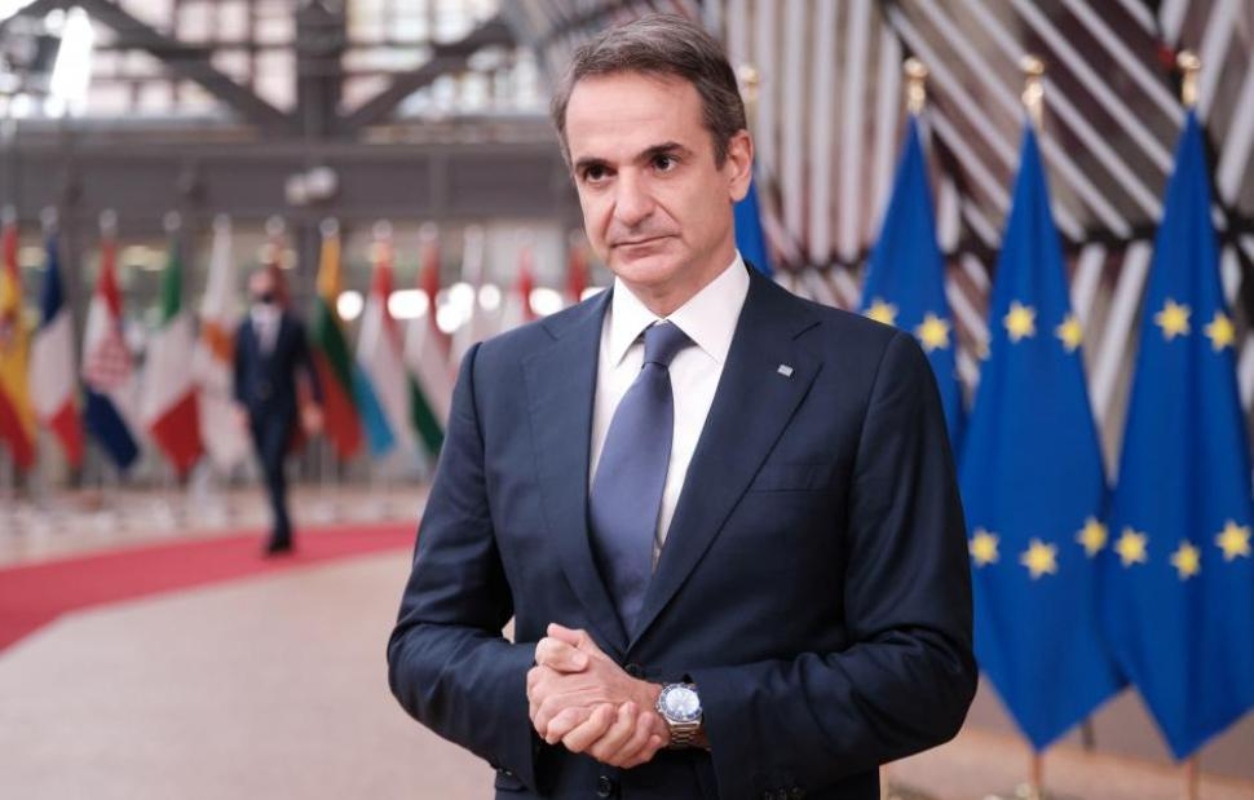
Defense, Competitiveness and Greece’s European Pitch
Alongside budget discussions, competitiveness has emerged as another major theme of the summit. Mitsotakis is expected to advocate reforms aimed at reducing Europe’s structural weaknesses, including high energy costs, barriers within the Single Market and the fragmentation of European capital markets.
The Greek prime minister is also expected to push for deeper integration of the Single Market and faster progress toward completing the Savings and Investments Union, arguing that Europe must unlock private capital if it hopes to compete with the United States and China.
On the sidelines of the summit, Mitsotakis will participate in meetings of the European People’s Party and present Greece’s model of social dialogue at a dedicated event, seeking to position the country not only as a beneficiary of European policies but also as a contributor to the broader policy debate shaping the Union’s future.
With negotiations over the next EU budget still in their early stages, no immediate breakthroughs are expected. Yet the political message emerging from Brussels is already clear: Europe is entering a new era in which debates over security, competitiveness and cohesion will ultimately be debates over how—and by whom—the next phase of European integration will be financed.
Source: pagenews.gr
Διαβάστε όλες τις τελευταίες Ειδήσεις από την Ελλάδα και τον Κόσμο