Brussels Sends Sharp Warning to Ankara After Cyprus Exclusion Row at UN Climate Summit Preparations
 ΧΡΟΝΟΣ ΑΝΑΓΝΩΣΗΣ 5 '
Πηγή Φωτογραφίας: AP Photo//Brussels Sends Sharp Warning to Ankara After Cyprus Exclusion Row at UN Climate Summit Preparations



The European Union has delivered one of its clearest institutional warnings to Turkey in recent years after Ankara attempted to exclude the Republic of Cyprus from a preparatory meeting linked to the upcoming United Nations Climate Conference — COP31.
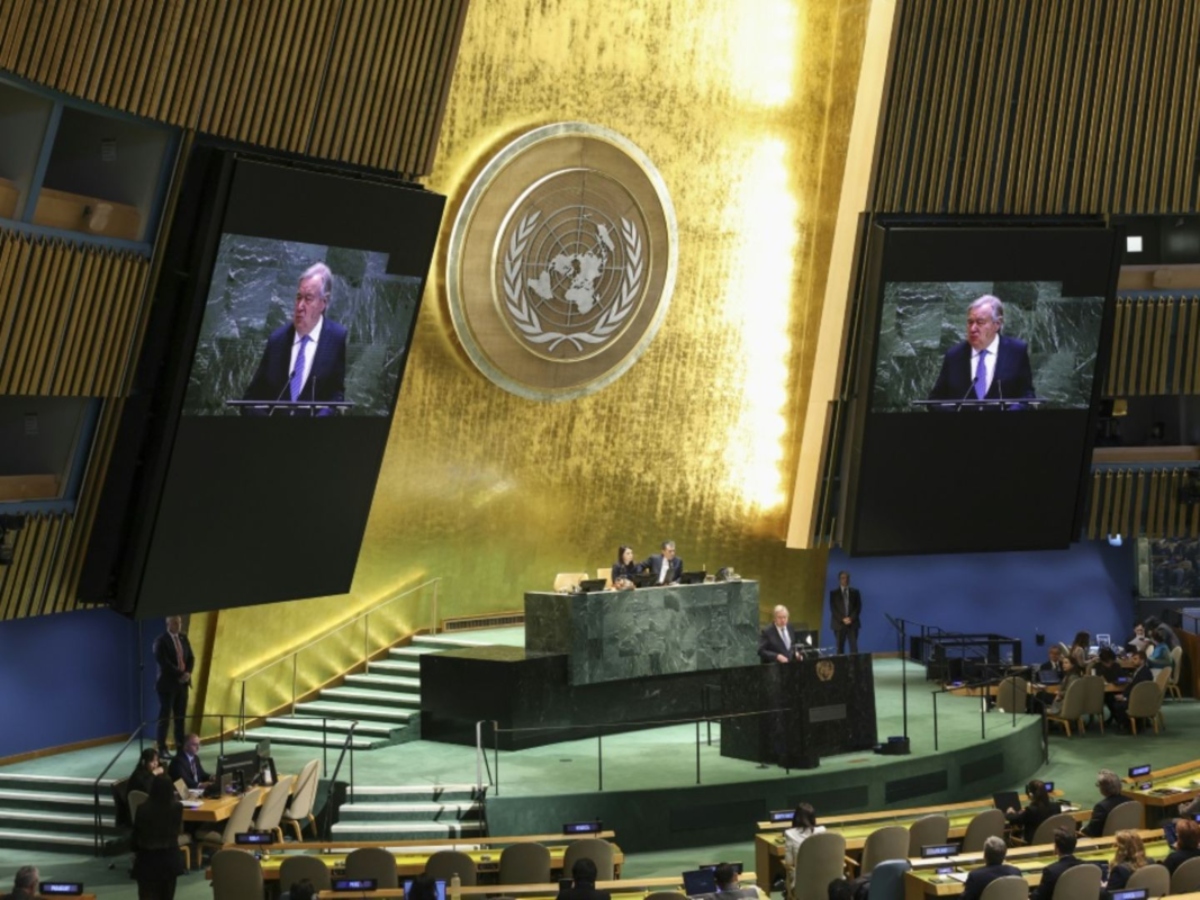
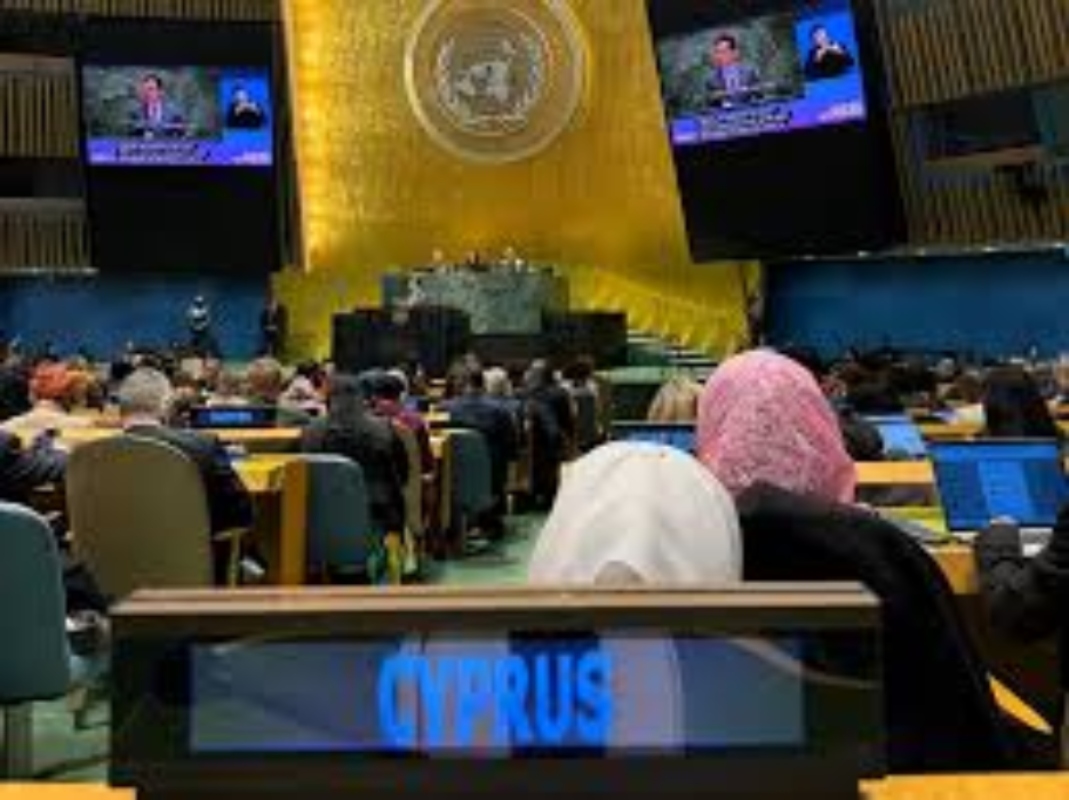
The diplomatic incident unfolded after Turkey, which is set to host COP31 in Antalya, organized a preparatory briefing session at the United Nations headquarters in New York on March 27 but reportedly failed to allocate a seat to the Republic of Cyprus despite its full status as a UN member state.
The move immediately triggered strong reactions inside the European Commission, with Brussels describing Turkey’s stance as “unacceptable.”
European Commission spokesperson Anna-Kaisa Itkonen confirmed that the EU formally raised the issue with Ankara.
“We made it clear that the exclusion of a United Nations member state from the preparatory process of COP31 is not acceptable,” she stated during the Commission’s daily press briefing.
A Red Line for Brussels
For European officials, the issue extends far beyond climate diplomacy.
Inside EU institutions, the incident was interpreted as an indirect attempt by Ankara to challenge the international and institutional legitimacy of an EU member state.
The Republic of Cyprus:
- is a full member of the United Nations,
- is a party to the UN Framework Convention on Climate Change (UNFCCC),
- and is a signatory to the Paris Agreement.
Any effort to sideline Cyprus from official UN-linked procedures was therefore viewed in Brussels as politically and diplomatically unacceptable.
European diplomats privately acknowledged that allowing such a precedent could weaken the EU’s collective institutional authority and encourage similar disputes in future multilateral forums.
Turkey Retreats After EU Pressure
Following pressure from Brussels, Ankara appeared to step back from the confrontation.
According to the European Commission, Turkish authorities assured the EU that Cyprus would not be excluded from future preparatory meetings connected to COP31.
The development is being viewed in diplomatic circles as an important symbolic victory for Nicosia and a sign that the EU is becoming increasingly willing to publicly confront Turkish actions involving member states.
Why COP31 Matters Geopolitically
The controversy comes at a particularly sensitive moment for Turkey’s international positioning.
Ankara sees hosting COP31 in Antalya not simply as an environmental summit, but as a major geopolitical and diplomatic opportunity to:
- improve relations with Western partners,
- expand Turkish soft power,
- reinforce Turkey’s role as a regional power,
- and reposition itself internationally amid shifting global alliances.
President Recep Tayyip Erdoğan’s government has invested heavily in portraying Turkey as an indispensable actor connecting Europe, the Middle East, the Black Sea and the Eastern Mediterranean.
However, European officials remain increasingly cautious about Ankara’s tendency to inject geopolitical disputes into multilateral international platforms.
Brussels Sends a Broader Political Signal
The Commission’s unusually direct language is being interpreted as part of a broader recalibration of EU policy toward Turkey.
The message from Brussels was clear:
- the EU will not tolerate institutional challenges against member states,
- Cyprus’ international status is non-negotiable,
- and international organizations cannot become arenas for political exclusion.
The dispute also unfolds against the backdrop of wider EU-Turkey tensions involving:
- migration,
- Eastern Mediterranean energy routes,
- customs union negotiations,
- NATO coordination,
- and Turkey’s balancing strategy between Europe, Russia and the broader Global South.
A Shift in EU-Turkey Dynamics
Diplomatic analysts say the incident reflects a deeper change in European attitudes toward Ankara.
In recent years, the EU often avoided direct public confrontations with Turkey in order to preserve cooperation on migration and regional security.
But the Cyprus episode suggests Brussels may now be adopting a firmer institutional posture when core EU interests and member-state sovereignty are involved.
For many observers, the episode was not merely about climate diplomacy.
It was a geopolitical stress test over how far Turkey can push its regional ambitions before triggering a coordinated European response.
And this time, Brussels chose to draw a very visible line.
Source: pagenews.gr
Διαβάστε όλες τις τελευταίες Ειδήσεις από την Ελλάδα και τον Κόσμο