“A New Order Without America”: Iran Returns to Baghdad as Iraq Becomes the Region’s Main Battleground Again
 ΧΡΟΝΟΣ ΑΝΑΓΝΩΣΗΣ 8 '
Πηγή Φωτογραφίας: AP Photo//“A New Order Without America”: Iran Returns to Baghdad as Iraq Becomes the Region’s Main Battleground Again



The message Tehran chose to send from Baghdad could hardly have been clearer.
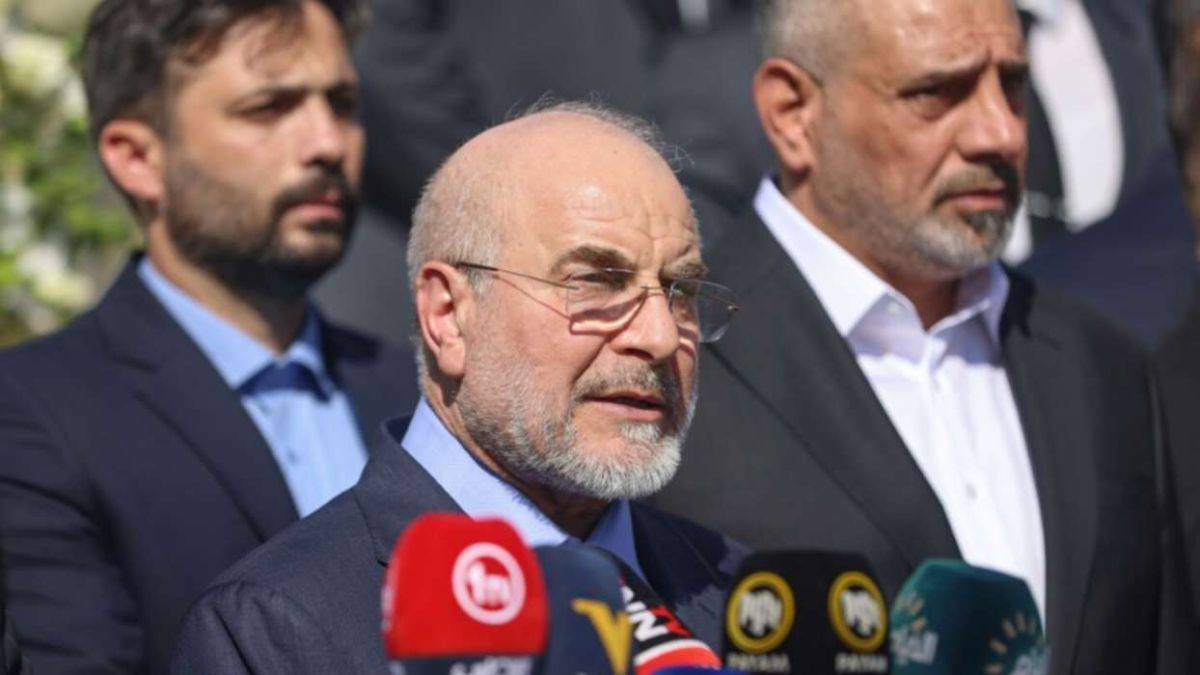
Iranian parliament speaker Mohammad Bagher Ghalibaf, beginning a three-day visit to Iraq, called for strengthening a “new order” in the Middle East based on cooperation among regional states without foreign interference.
He deliberately chose a highly symbolic setting for the remarks.
Ghalibaf spoke near Baghdad airport, close to the site where Iranian commander Qassem Soleimani was killed in a U.S. strike in January 2020 — the man who more than anyone else built Tehran’s network of political and armed influence across Iraq, Syria, Lebanon and beyond.
The message was therefore both symbolic and strategic:
Iran intends to remain a decisive power in Iraq even as Baghdad tries to curb the influence of armed factions closely aligned with Tehran.
Iran’s “New Order”
Ghalibaf said the purpose of his visit was to strengthen a new regional order and accelerate cooperation among countries in the region “without foreign interference”.
Even more significant was his language about the so-called “resistance”.
He described the resistance in Iraq as one of the country’s sources of strength and argued that it had moved beyond the borders of Iran and Iraq to become a global phenomenon.
Behind that rhetoric lies one of the biggest struggles over the future of the Iraqi state:
who ultimately controls the guns — Baghdad or the militias?
Baghdad Says: One State, One Arsenal
Prime Minister Ali al-Zaidi, who took office in May, has pledged to reinforce the state’s monopoly over armed force.
His government has made clear that weapons must ultimately come under the control of official institutions rather than remain in the hands of autonomous factions.
That ambition now has a political deadline.
September 30 has become a critical date because it coincides with the scheduled end of the U.S.-led coalition mission against Islamic State.
And this is where the real confrontation begins.
The Militias Do Not Want to Give Up Their Weapons
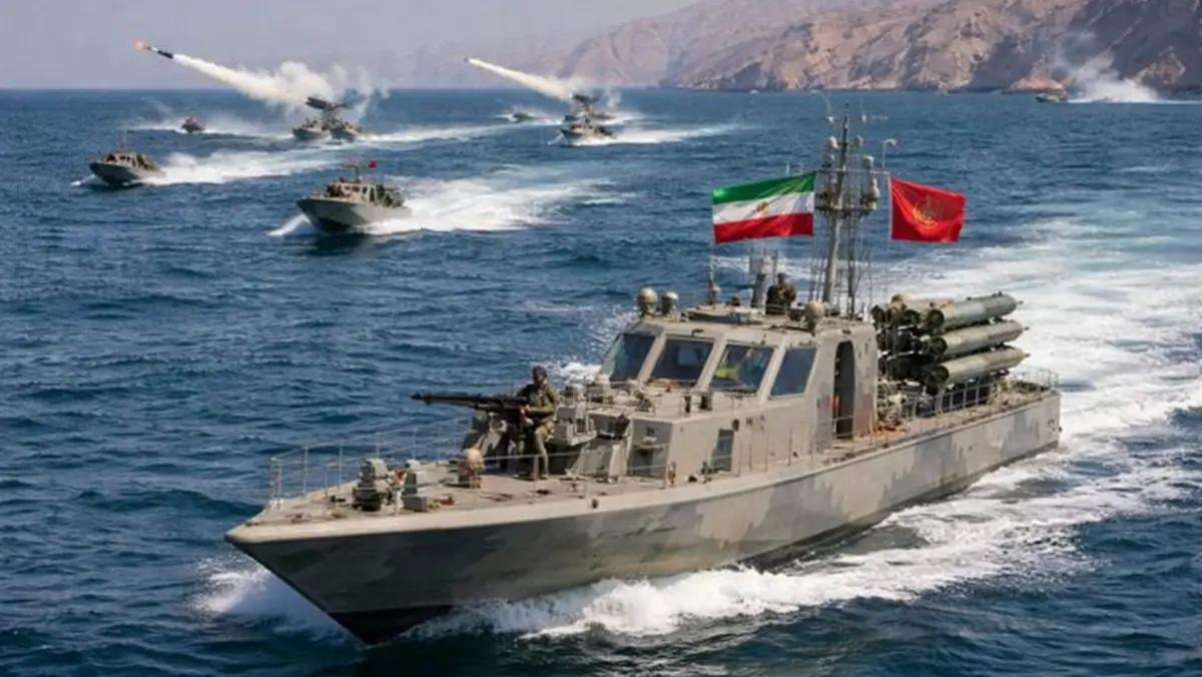
Some of the most powerful Iran-aligned factions remain resistant to disarmament.
Their argument is that the “resistance” remains necessary to protect Iraq and the wider region from external threats.
Baghdad’s argument is the opposite:
a sovereign state cannot tolerate multiple military centres of power operating outside a unified chain of command.
This is not a technical disagreement.
It is a contest over the architecture of the Iraqi state itself.
And it goes directly to the heart of Iran’s influence.
The Real Question: Who Controls Iraq?
Since the U.S. invasion of 2003, Iraq has lived between two major poles of influence.
On one side are the United States, with enormous economic, diplomatic and military leverage.
On the other is Iran, whose influence runs deeper through political parties, religious networks, militias and decades of institutional penetration.
The rivalry is not simply geopolitical.
It is embedded in Iraq’s domestic political system.
The Shiite Coordination Framework, the parliamentary bloc that helped elevate Zaidi, includes parties with very different levels of closeness to Tehran.
That leaves the prime minister with an extremely difficult task:
reduce the power of Iran-aligned armed factions without destroying the political coalition on which his own government depends.
Washington Is Betting on Zaidi
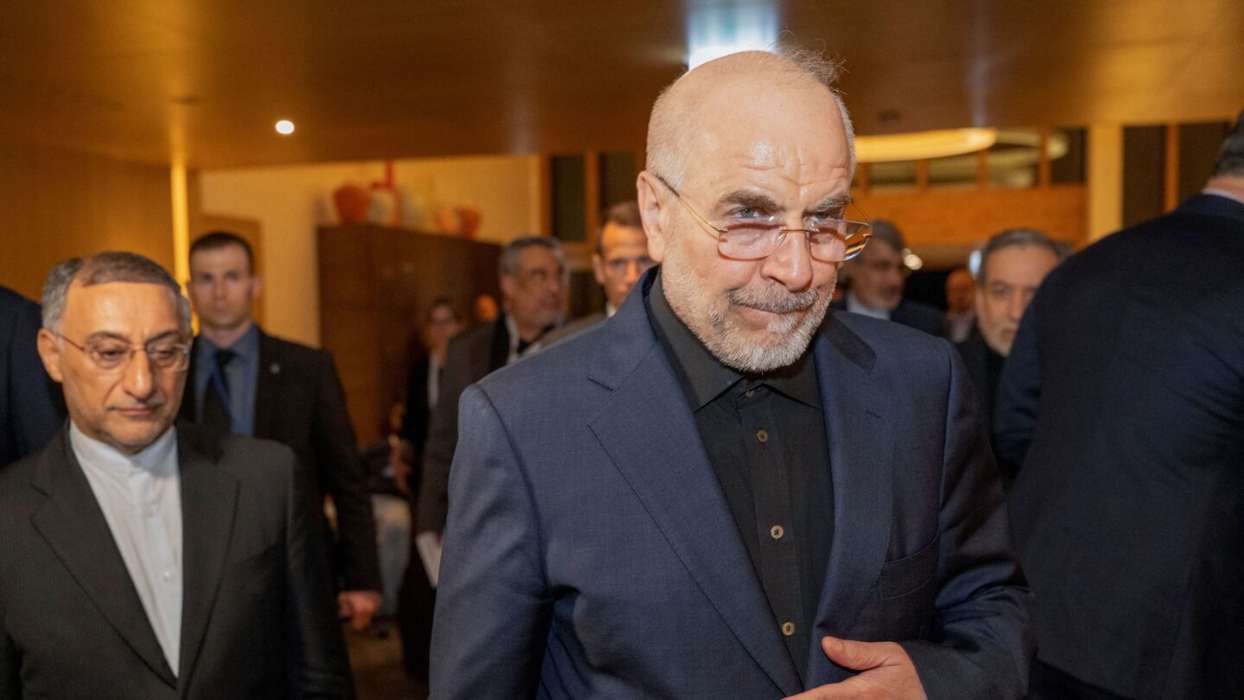
The United States sees the new Iraqi government as an opportunity to reshape the relationship.
Zaidi has sought to move ties with Washington away from an overwhelmingly military framework toward a broader economic and strategic partnership.
The idea is straightforward.
As the military footprint declines, economic ties, energy cooperation, investment and state-to-state diplomacy become more important.
For Washington, that could offer a different form of influence.
For Baghdad, it offers something even more valuable:
greater room to manoeuvre between Iran and the United States.
Iran Sees the Risk
That is precisely why Ghalibaf’s visit matters.
Tehran is looking at an Iraqi government that is:
trying to bring militias under state control,
deepening ties with Washington,
seeking more foreign investment,
and attempting to establish the Iraqi state as the sole legitimate holder of military power.
For Iran, that could gradually weaken one of the most important instruments of influence it has built since 2003.
That is why Ghalibaf’s praise for the “resistance” should not be treated as routine rhetoric.
It is a signal to Baghdad that Tehran does not see the armed factions merely as a security problem — it sees them as part of a wider regional balance of power.
The Shadow of Qassem Soleimani
The location of Ghalibaf’s remarks makes the message even stronger.
Soleimani was the architect of Iran’s strategy of building a network of allied armed groups across the Middle East.
Speaking about a “new order” near the place where he was killed is a deliberate act of political symbolism.
Tehran wants to show that the regional model he helped create did not die with him.
And Iraq remains central to that model.
Iraq Wants to Become a Bridge, Not a Battlefield
Zaidi’s strategy appears to be different.
Rather than remaining an arena of confrontation between Washington and Tehran, Baghdad wants Iraq to become a bridge between competing regional powers.
That means strengthening ties with the United States without becoming an American client.
Maintaining relations with Iran without allowing Tehran-linked factions to operate independently of the state.
Deepening economic ties with Turkey and Gulf states.
And using Iraq’s geographic position as an asset rather than a curse.
If Baghdad succeeds, Iraq could finally begin escaping the political structure that has defined it since 2003.
September 30 Becomes the Real Test
The deadline could matter far more than another high-profile Iranian visit.
If the Iraqi government genuinely succeeds in placing weapons under state control, it would mark a major shift in the post-2003 balance of power.
If the militias retain their arsenals — directly or through structures they still dominate — then the state will continue to share real coercive power with parallel armed networks.
That distinction will determine whether Baghdad is actually becoming sovereign or merely reorganising the appearance of sovereignty.
Two Different “New Orders” Are Competing in Baghdad
In reality, Iran and Iraq’s new government are talking about two very different versions of the same future.
Tehran wants a Middle East with less direct U.S. military presence and stronger regional “resistance” networks.
Baghdad also wants less external military dependence — but with a stronger Iraqi state, not stronger autonomous militias.
Washington, meanwhile, appears increasingly willing to accept a smaller military footprint if it is replaced by economic influence and an Iraqi state capable of containing Iran-aligned armed groups.
That makes Iraq one of the most important geopolitical laboratories in the Middle East.
Not because the United States and Iran are necessarily preparing for direct conflict there.
But because Baghdad is trying to change the rules that have governed Iraq for more than two decades.
Ghalibaf arrived speaking of a “new order”.
The real question is who will define it.
Tehran through the “resistance”, Washington through economic and political influence — or an Iraq that finally manages to keep the weapons, the decisions and its foreign policy in its own hands?
Διαβάστε όλες τις τελευταίες Ειδήσεις από την Ελλάδα και τον Κόσμο