Made in USA Loses Its Magic: America’s Consumer Giants Are Losing the Battle for the Shopping Cart
 ΧΡΟΝΟΣ ΑΝΑΓΝΩΣΗΣ 8 '
Πηγή Φωτογραφίας: AP Photo//Made in USA Loses Its Magic: America’s Consumer Giants Are Losing the Battle for the Shopping Cart



For decades, America’s biggest consumer brands were more than products. They were symbols of the country’s economic and cultural power.
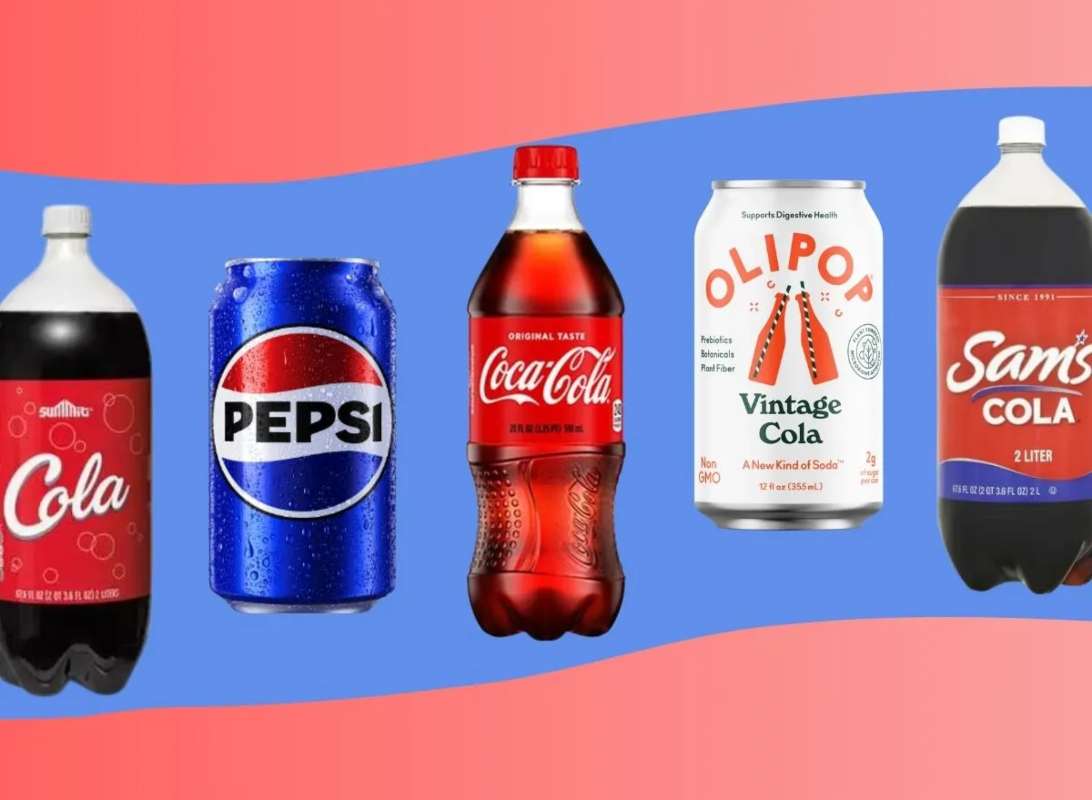
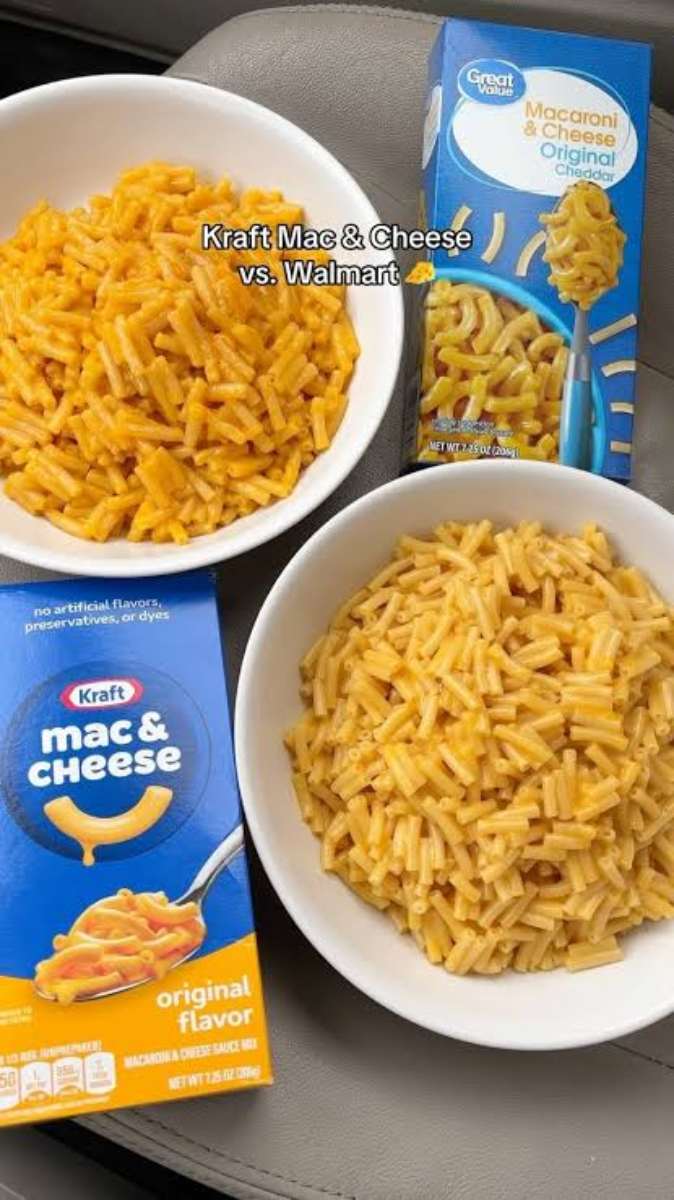
From Heinz ketchup and Kraft Mac & Cheese to Pepsi, Tide and countless household staples, a familiar logo could command loyalty, shelf space and, crucially, a higher price.
That magic is beginning to fade.
Some of America’s most established consumer groups, including Kraft Heinz, General Mills, Conagra Brands, JM Smucker and PepsiCo, are facing stagnant or declining sales volumes as shoppers increasingly turn either to cheaper private-label products or to smaller, newer brands perceived as healthier, trendier or more relevant.
The Financial Times describes a deeper transformation taking place inside the $1tn-a-year US consumer packaged goods industry: the power of the famous name alone is no longer enough.
Americans Are Buying Billions Fewer Products
The shift is not simply about changing tastes. It is also about money.
US bricks-and-mortar retailers sold 9.3bn fewer units of food and consumer packaged goods over the past 12 months than five years earlier, according to NielsenIQ data cited by the FT.
Years of inflation and pressure on household budgets have made Americans far more selective.
Consumers are comparing prices, cutting purchases and becoming increasingly reluctant to pay a significant “brand premium” simply because they recognise the logo on the packaging.
For America’s traditional consumer giants, the consequences are becoming difficult to ignore.
Kraft Heinz’s North American sales volumes, for example, have contracted in nine of the past 10 years.
The company is far from alone.
Walmart, Costco and Aldi Turn Into Competitors
One of the greatest threats to America’s established brands is now sitting right beside them on supermarket shelves.
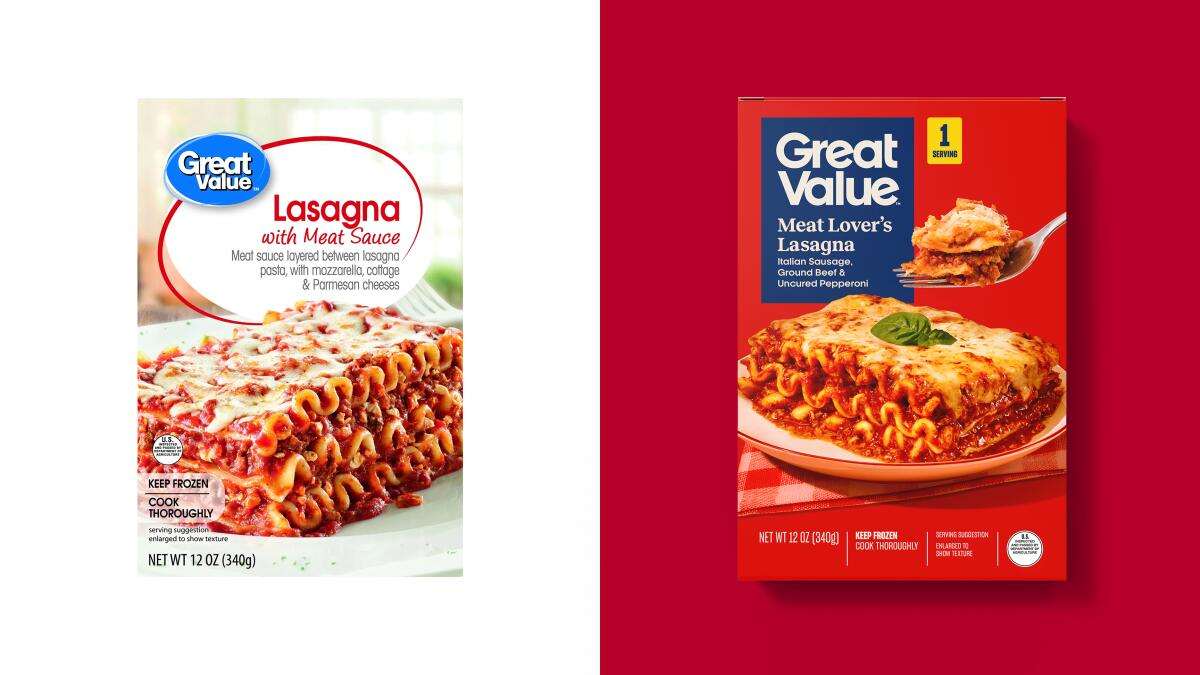
Private-label products have evolved from cheap substitutes into increasingly sophisticated competitors.
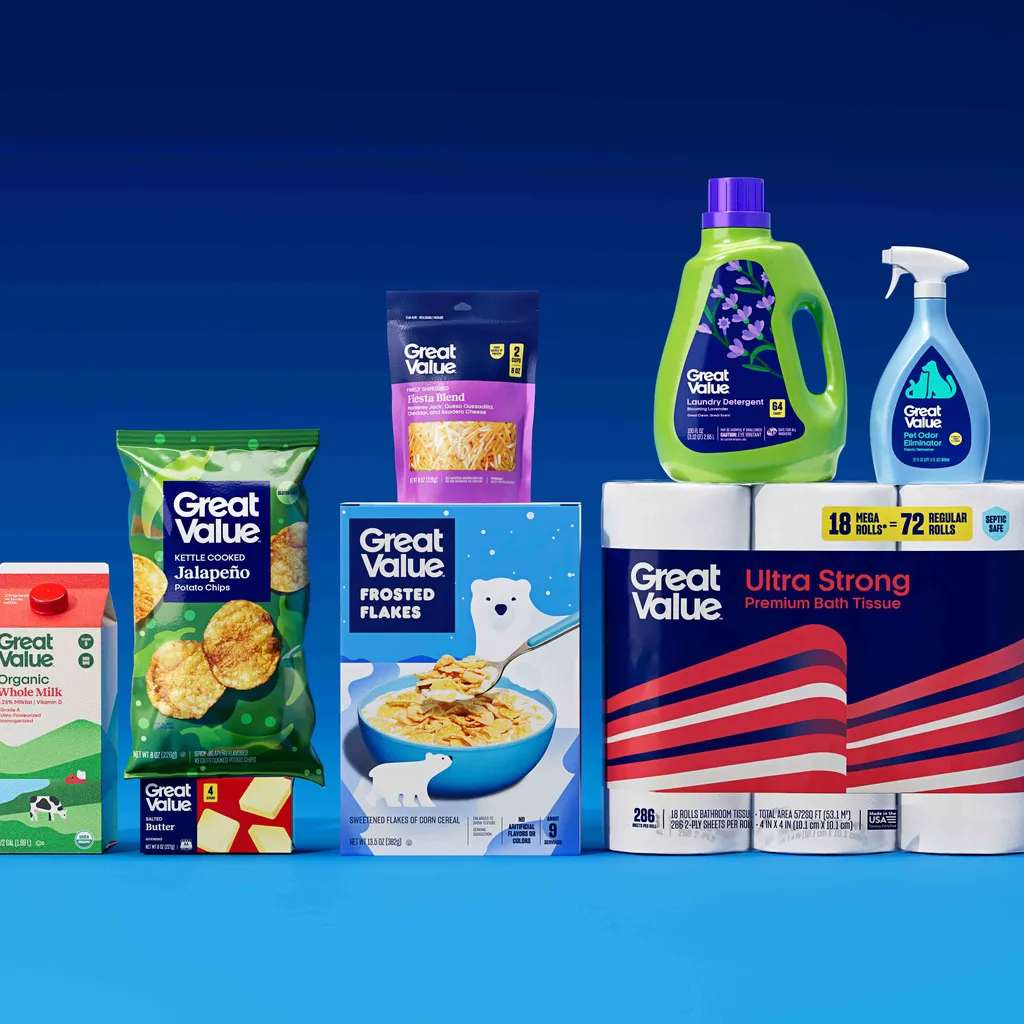
Walmart, Costco and Aldi are investing heavily in their own brands, improving quality, packaging and product selection.
The transformation is particularly visible at Aldi, the German discount retailer aggressively expanding across the United States, where roughly 90% of its range is own-label.
Private-label products now account for more than a quarter of US food and consumer packaged goods sales.
That remains below levels seen in countries such as Britain, Germany and Spain, where private labels can account for as much as half the market, but the gap is narrowing.
Walmart has expanded premium offerings through its Bettergoods range, while Costco has turned Kirkland Signature into a formidable brand in its own right.
Retailers are no longer simply copying America’s consumer giants.
Increasingly, they are becoming consumer giants themselves.
Gen Z Asks: Why Pay More?
Perhaps the biggest long-term problem for established brands, however, is generational.
Around two-thirds of Gen Z consumers believe private-label products are just as good as national brands, according to NielsenIQ.
That represents a profound challenge for an industry that spent decades and billions of dollars building consumer loyalty.
Younger Americans appear less emotionally attached to the brands their parents grew up buying.
They discover products through TikTok and influencers, experiment with emerging companies and are far more comfortable choosing a supermarket’s own brand.
A famous name is no longer an automatic sale.
The “Insurgents” Are Stealing Growth
Traditional companies are also being squeezed from the opposite end of the market.
They are not only losing customers to cheaper products.
They are facing smaller, fast-growing competitors marketed as healthier, tastier or more modern.
Bain & Company calls them “insurgent brands”.
The 100 insurgent brands tracked by Bain captured 36% of the increase in US consumer-product sales last year, despite representing only a tiny fraction of the overall market.
For the giants of corporate America, the message is uncomfortable.
The challengers may still be small – but they are capturing a disproportionately large share of the industry’s growth.
The Old Advertising Machine Is Breaking Down
Another weapon that once gave the biggest corporations an almost insurmountable advantage is also becoming less powerful: mass advertising.
The era when a television campaign could rapidly introduce a product to tens of millions of Americans is disappearing.
Consumer attention is now fragmented across TikTok, Instagram, YouTube, streaming platforms, influencers, online retailers and countless other channels.
Procter & Gamble has said that it could once make almost one-third of consumers aware of a new home-care marketing initiative within a year.
Today, that figure has fallen below 10%.
Companies are being forced to produce vastly more digital content, work with influencers and pay retailers for greater visibility on their online platforms.
Even artificial intelligence is entering the equation, as brands increasingly need their products to appear favourably when AI systems search, compare and recommend goods.
The Iran War Reaches the American Shopping Cart
Geopolitics is adding another layer of pressure.
Higher fuel prices triggered by the war with Iran have squeezed American household budgets further.
According to Bain and NielsenIQ analysis cited by the FT, consumer goods sales volumes have fallen about 2% year-on-year in most months since February 2026.
It is a striking example of how geopolitical instability thousands of miles away can eventually reach an American supermarket aisle.
Higher energy costs reduce disposable income.
Consumers become more price-sensitive.
And suddenly the difference between a famous national brand and a cheaper store alternative matters much more.
From the American Dream to the American Discount?
None of this means America’s consumer giants are about to disappear.
They retain enormous advantages.
Companies such as Kraft Heinz, PepsiCo, General Mills and Procter & Gamble have vast financial resources, manufacturing capacity, distribution networks and decades-long relationships with the world’s biggest retailers.
They can spend billions defending their brands – or simply acquire successful challengers.
PepsiCo, for example, has spent billions acquiring newer businesses including Siete Foods and prebiotic drinks company Poppi.
Kraft Heinz is also fighting back.
Chief executive Steve Cahillane has committed hundreds of millions of dollars to reinvigorating the company’s legacy brands, including a major marketing push and a partnership with Walt Disney.
But the competitive moat protecting America’s consumer empires is becoming narrower.
Retailers have more negotiating power.
Contract manufacturers make it easier for smaller companies to launch products.
Social media allows challengers to reach millions of consumers without buying expensive television campaigns.
And shoppers have more choices than ever before.
The Bigger Warning for Corporate America
The battle taking place in America’s supermarkets is about more than ketchup, macaroni and cheese or toothpaste.
It illustrates a broader shift in economic power.
For decades, America’s consumer economy rewarded scale, advertising power and brand recognition. Companies spent enormous sums persuading generations of consumers that their products were different – and worth paying more for.
That model is being challenged simultaneously by inflation, technology, retail consolidation, demographic change and a new generation of shoppers.
The Made in USA label has certainly not lost its economic power.
American companies remain dominant across vast parts of the global economy.
But inside one of the world’s most competitive consumer markets, something important is changing.
A new generation of shoppers looks at the famous brand, looks at the cheaper or newer product sitting beside it – and asks a brutally simple question:
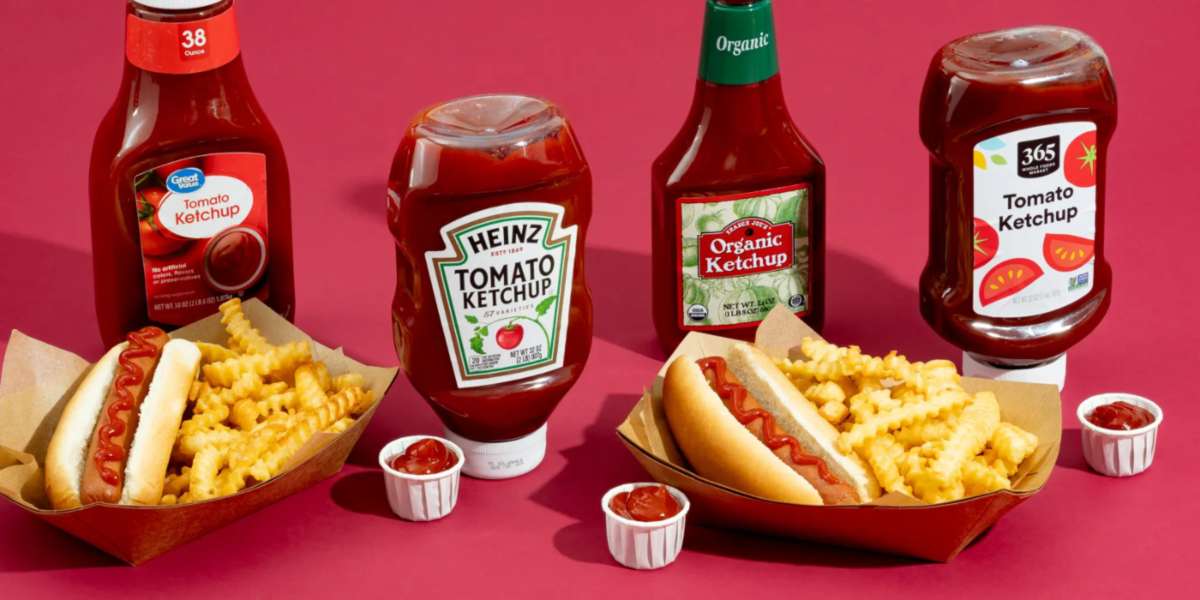
“Why should I pay more just for the name?”
For corporate giants that built billion-dollar empires on the answer to that question, losing the magic of the brand may prove far more dangerous than losing a few points of market share.
Διαβάστε όλες τις τελευταίες Ειδήσεις από την Ελλάδα και τον Κόσμο