Mitsotakis Rules Out ‘Loan’ of Parthenon Sculptures: ‘We Will Not Borrow Our Own Treasures’
 ΧΡΟΝΟΣ ΑΝΑΓΝΩΣΗΣ 7 '
Πηγή Φωτογραφίας: eurokinissi//Mitsotakis Rules Out ‘Loan’ of Parthenon Sculptures: ‘We Will Not Borrow Our Own Treasures’


Greek Prime Minister Kyriakos Mitsotakis delivered one of his clearest messages yet on the Parthenon Sculptures, ruling out any settlement that would require Greece to recognize foreign ownership or receive the sculptures back under a loan arrangement.
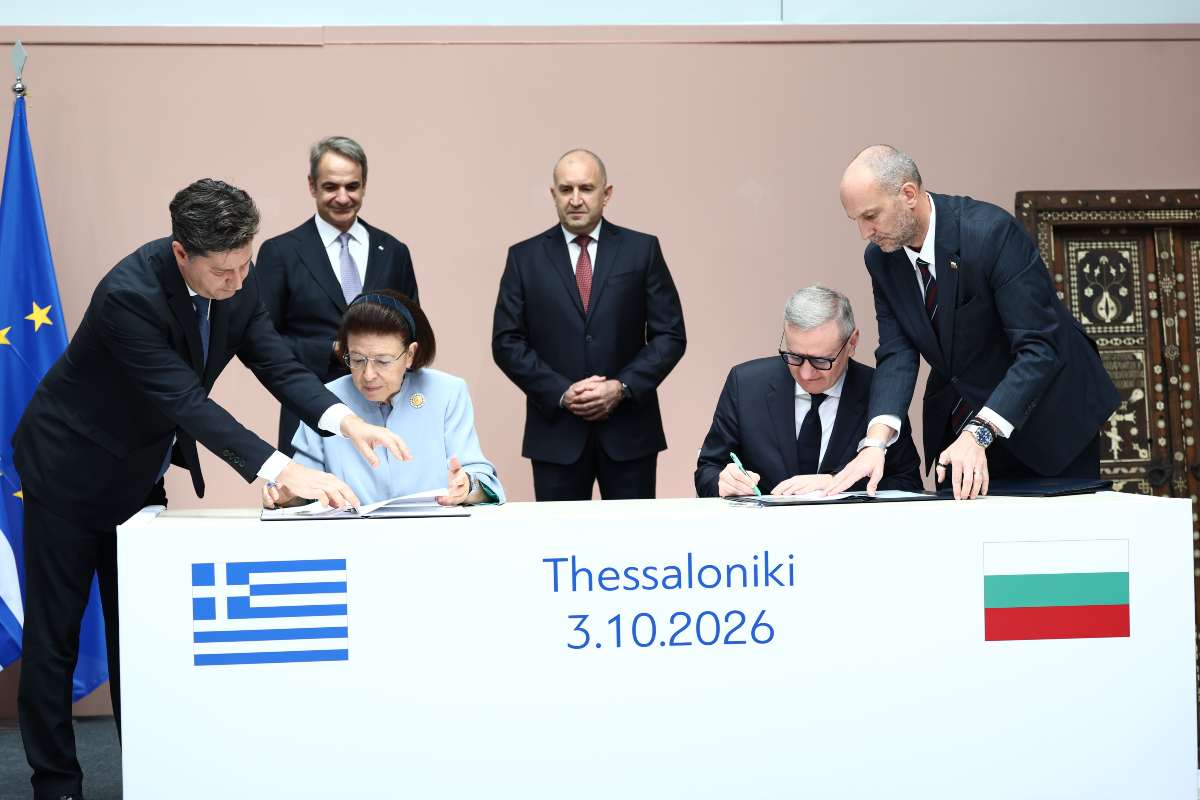
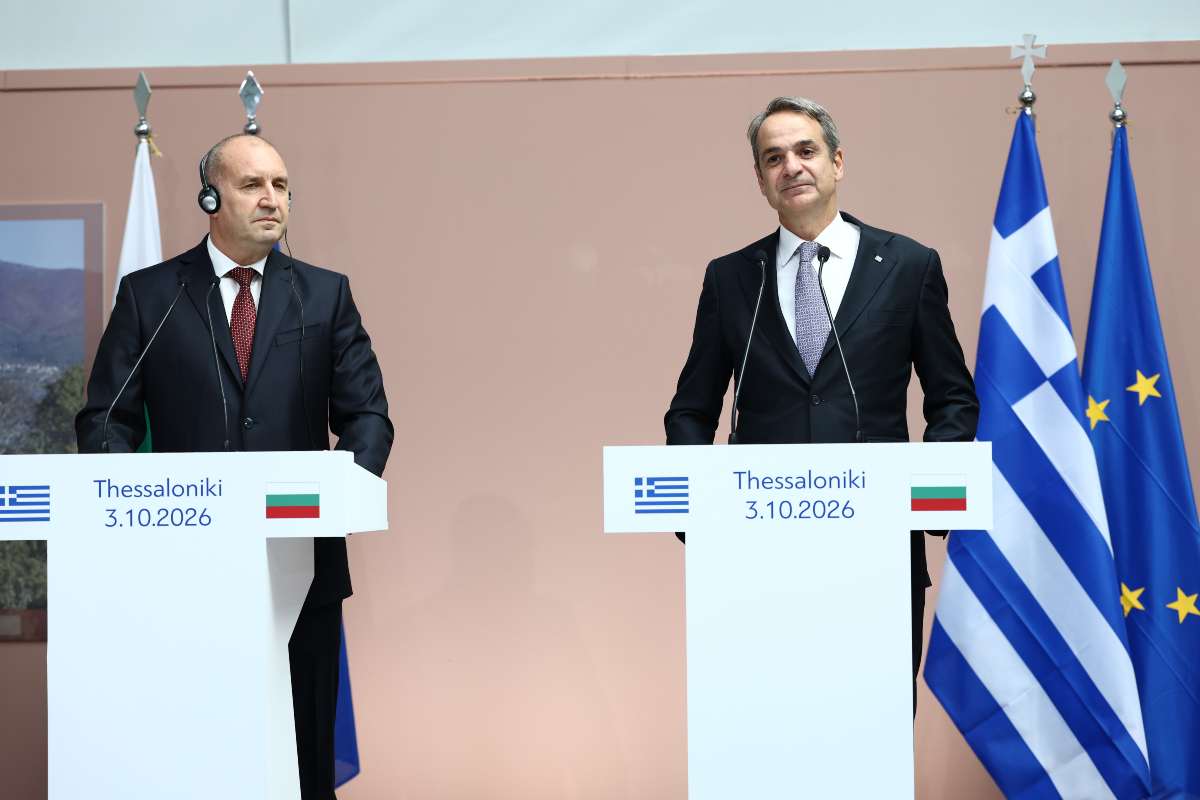
Speaking in Thessaloniki during a ceremony marking the handover of historic cultural objects between Greece and Bulgaria, Mitsotakis linked the resolution of a century-old cultural dispute with Athens’ longstanding campaign for the reunification of the Parthenon Sculptures.
His position was explicit:
No recognition of foreign ownership. No “loan” to Greece.
“We will not borrow our own treasures”
Mitsotakis was unequivocal about the framework under which Athens is prepared to pursue an agreement.
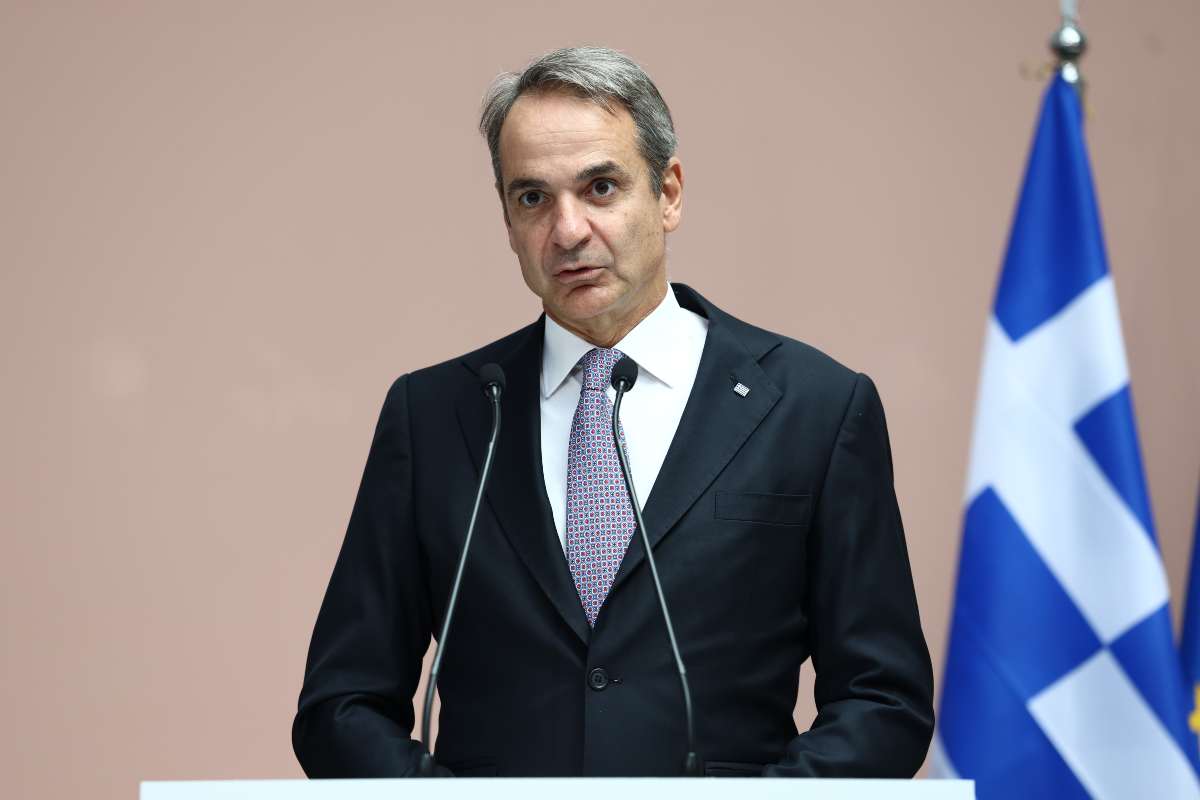
“My country will not accept arrangements that imply foreign ownership, nor will it borrow its own treasures,” the prime minister said.
The statement goes to the heart of the long-running negotiations surrounding the sculptures held by the British Museum.
For Athens, an arrangement under which Greece would effectively acknowledge the British Museum’s ownership and then receive the sculptures as a temporary loan is not an acceptable solution.
The objective repeatedly set out by the Greek government is different:
the permanent reunification of the surviving Parthenon Sculptures in Athens.
“They are not lifeless relics of the past”
Mitsotakis also sought to move the debate beyond the narrower question of ownership of archaeological objects.
“The Parthenon Sculptures are not lifeless relics of the past,” he said.
“When you remove them from the environment that gave birth to them, you mutilate the history that created them.”
The Greek argument is that the sculptures were not created as independent works intended to be displayed separately.
They formed an architectural and artistic part of the Parthenon itself.
This is why Athens consistently speaks of “reunification”, rather than simply the “return” of individual museum objects.
“The Parthenon is a unique and self-contained case”
The prime minister also distinguished the Greek claim from the broader debate over the collections of major museums around the world.
“The Greek position is not dictated by a vague national claim, nor does it call into question the mission of museums around the world,” Mitsotakis said.
He then set out Athens’ central argument:
“The Parthenon constitutes a unique and self-contained case. It concerns the restoration of a universal monument that remains violently divided.”
Athens has long argued that the Parthenon should be treated as a special case because the surviving sculptures are constituent parts of a single monument rather than unrelated antiquities gathered into a museum collection.
That distinction is also intended to address concerns that an agreement over the sculptures could automatically create a precedent for museum collections worldwide.
“The time has come for truth and justice”
Mitsotakis concluded his intervention with an emphatic message:
“The time has come for truth and justice.”
The statement does not mean that an agreement with the British Museum has been reached.
It does, however, underline the Greek government’s publicly stated conditions as discussions over the future of the sculptures continue.
Mitsotakis had already rejected a loan model
The Thessaloniki intervention reinforces a position Mitsotakis set out only days earlier in an article for the Guardian.
There, the Greek prime minister again rejected a conventional loan arrangement that would require Greece to acknowledge the British Museum’s ownership of the sculptures.
He argued instead for permanent reunification, making clear that Athens does not view the issue as a request for a temporary exhibition of the sculptures in Greece.
That distinction remains central to the negotiations.
The Bayeux Tapestry comparison
The debate has also been revived by discussion surrounding the Bayeux Tapestry and its temporary relocation to Britain.
That arrangement has been cited in the wider debate over whether cultural loans could provide a model for the Parthenon Sculptures.
Mitsotakis has rejected the comparison.
The Greek argument is that the Bayeux Tapestry is being temporarily moved as a single work before returning to France.
The Parthenon, by contrast, is an existing monument whose surviving sculptural elements are divided primarily between Athens and London.
Athens therefore argues that the two cases require fundamentally different solutions.
A symbolic backdrop in Thessaloniki
The setting for Mitsotakis’ statement carried particular significance.
Greece and Bulgaria were completing an agreement reached after years of negotiations over cultural and historical objects.
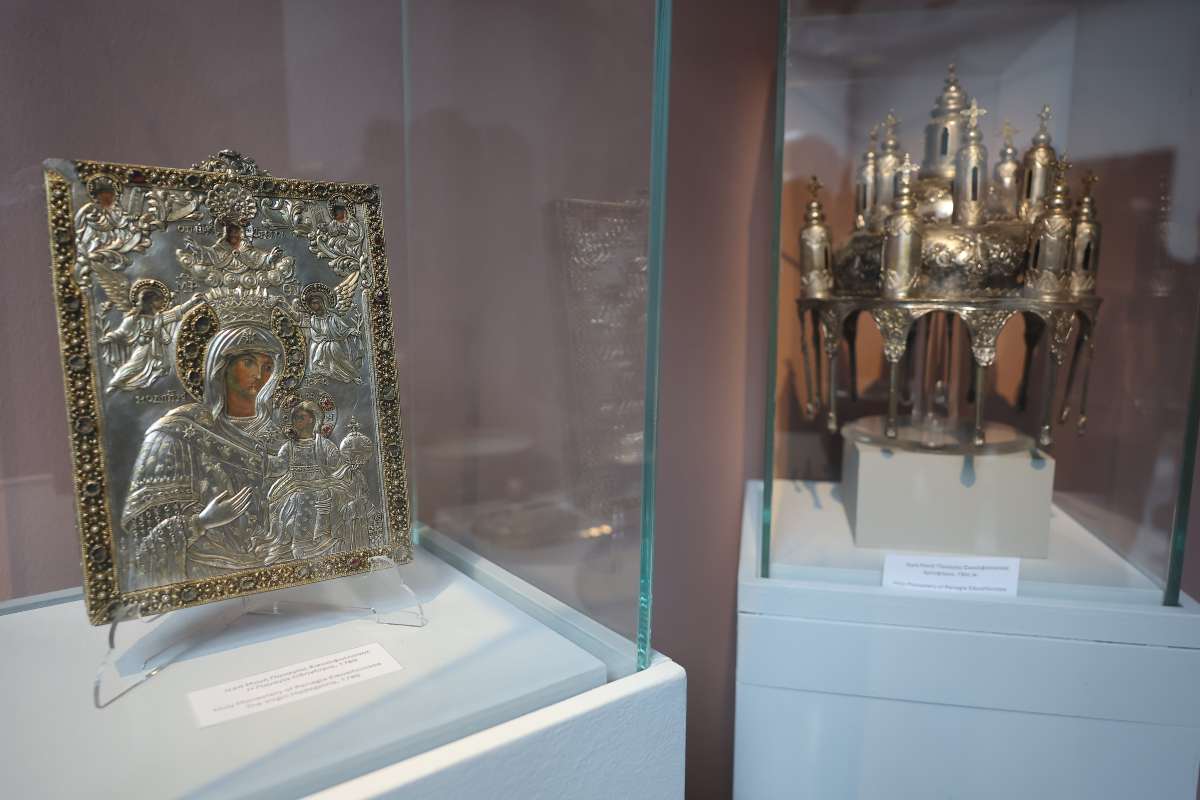
Under the arrangement, 48 ecclesiastical and historical objects removed to Bulgaria in 1917 are returning to Greece.
They originate from the Monastery of Panagia Eikosifoinissa, the Monastery of St John the Baptist in Serres, and the Holy Metropolis of Serres and Nigrita.
Greece, in turn, is transferring to Bulgaria remains identified as those of Tsar Samuel, together with other anthropological material recovered from four sarcophagi at the Basilica of Agios Achillios in Prespa.
The Greek objects will remain on display at Thessaloniki’s Museum of Byzantine Culture until November 5, 2026, before being delivered to the religious institutions from which they originated.
A message about cultural diplomacy
The Greek-Bulgarian agreement does not constitute a legal precedent for the Parthenon dispute.
The two cases involve different histories, legal questions and parties.
Politically, however, the ceremony offered Mitsotakis an example of how countries can address difficult historical questions through negotiation and agreement.
That was the broader diplomatic message from Thessaloniki: cultural heritage can become a field for cooperation rather than a permanent source of dispute.
Greece’s position: permanent reunification
The position articulated by Mitsotakis can ultimately be distilled into three points:
- No recognition of foreign ownership as a condition for an agreement
- No arrangement under which Greece “borrows” the sculptures
- Permanent reunification of the monument as the objective
The mechanism through which that objective might eventually be achieved remains under discussion, and no final agreement has been announced.
But Mitsotakis left little ambiguity over the political position Athens is taking into those discussions:
“My country will not accept arrangements that imply foreign ownership, nor will it borrow its own treasures.”
And his closing message was equally clear:
“The time has come for truth and justice.”
Source: pagenews.gr
Διαβάστε όλες τις τελευταίες Ειδήσεις από την Ελλάδα και τον Κόσμο