Parthenon Sculptures: London Pushes the Loan Model – The Dilemma for Athens
 ΧΡΟΝΟΣ ΑΝΑΓΝΩΣΗΣ 6 '
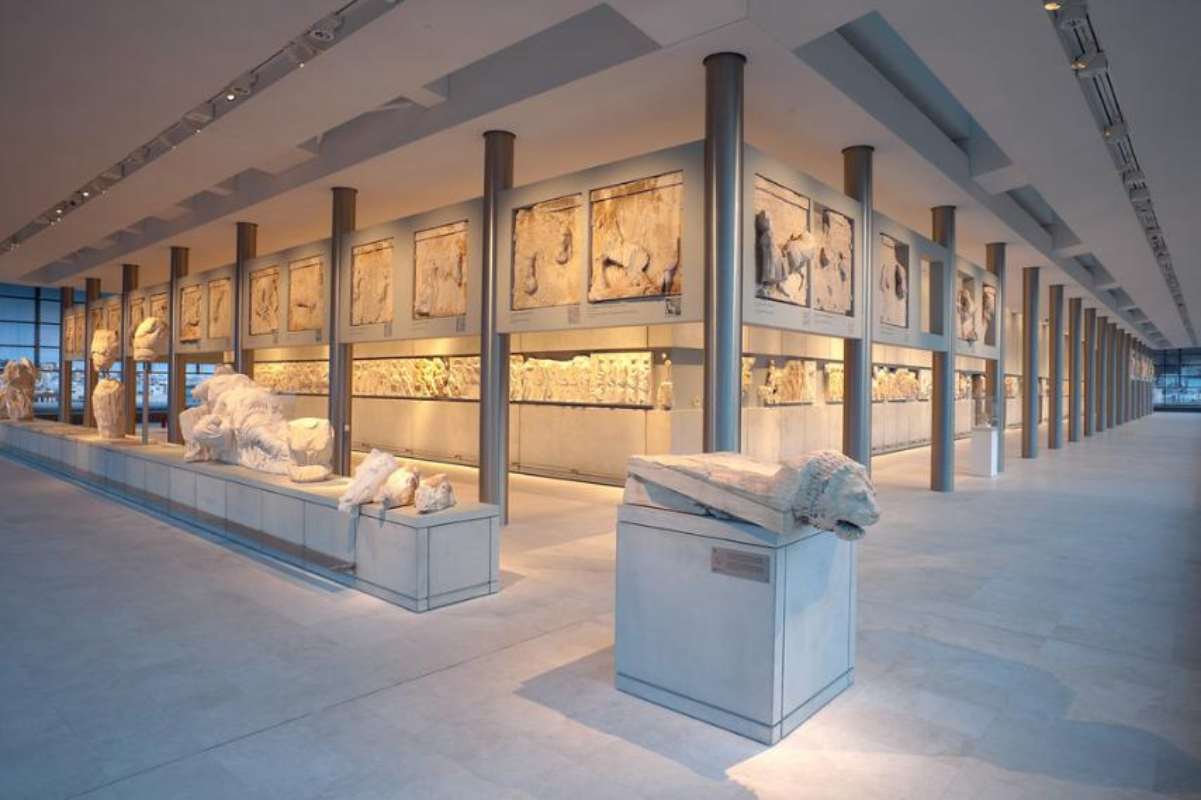
Πηγή Φωτογραφίας: eurokinissi//Parthenon Sculptures: London Pushes the Loan Model – The Dilemma for Athens



The dispute over the Parthenon Sculptures is entering another important phase, this time not through a formal breakthrough between Athens and London, but through the international cultural strategy increasingly promoted by the British Museum.
At the centre of the discussion is the major Frankfurt exhibition “Athena, the Stage is Yours: The Parthenon Puzzle,” scheduled to run from November 18, 2026, to July 25, 2027 at the Liebieghaus Skulpturensammlung.
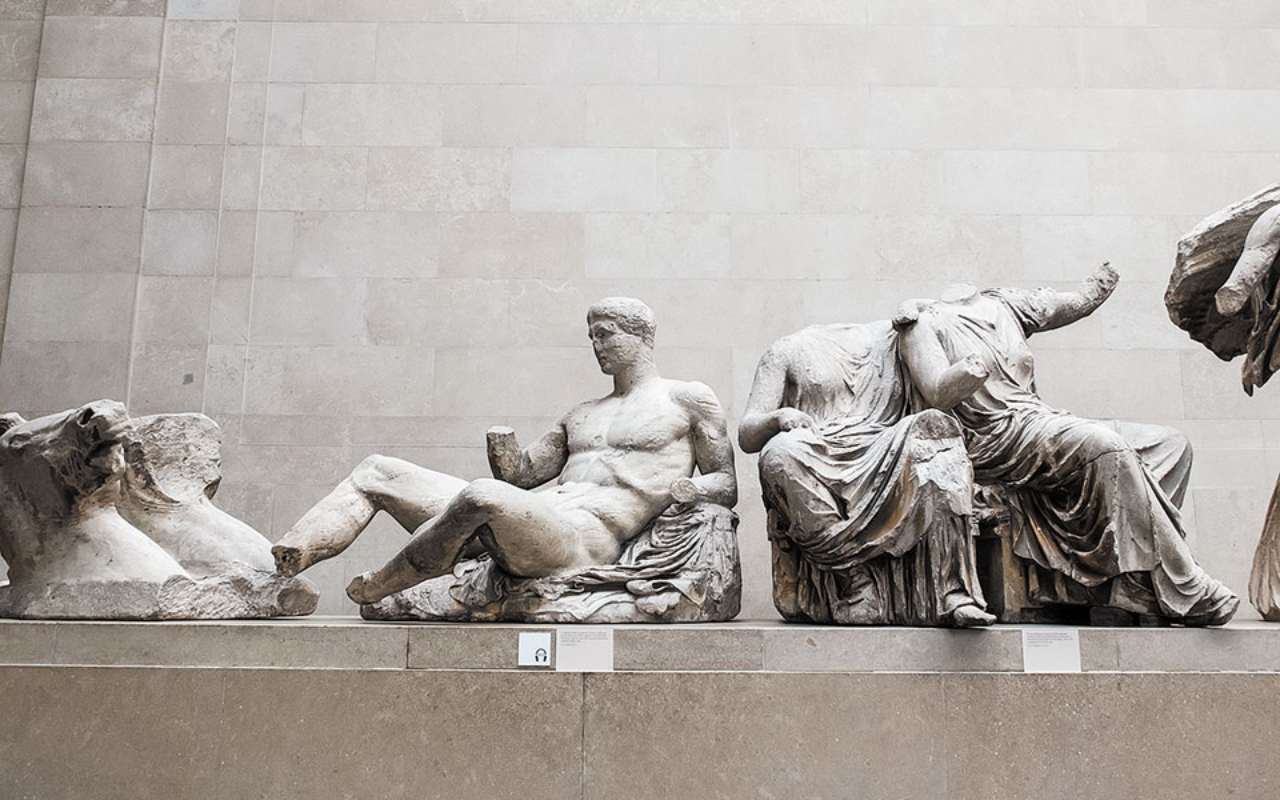
The exhibition focuses on the reconstruction of the Parthenon’s east pediment using modern archaeological research and digital technologies. It will include loans from major international collections, among them the British Museum and the Acropolis Museum.
Frankfurt becomes a showcase for the loan model
For the British Museum, international lending has long been a central part of its institutional strategy.
The museum argues that its collections should function globally and that loans help make major works accessible to audiences beyond London.
But in the case of the Parthenon Sculptures, the concept of a “loan” is politically and legally charged.
The British Museum has repeatedly indicated that it would consider lending the Sculptures to Greece under conditions that would preserve its claim of ownership.
That is precisely where the Greek position becomes difficult to reconcile with the British approach.
For Athens, the issue is not simply whether the Sculptures can temporarily travel to Greece.
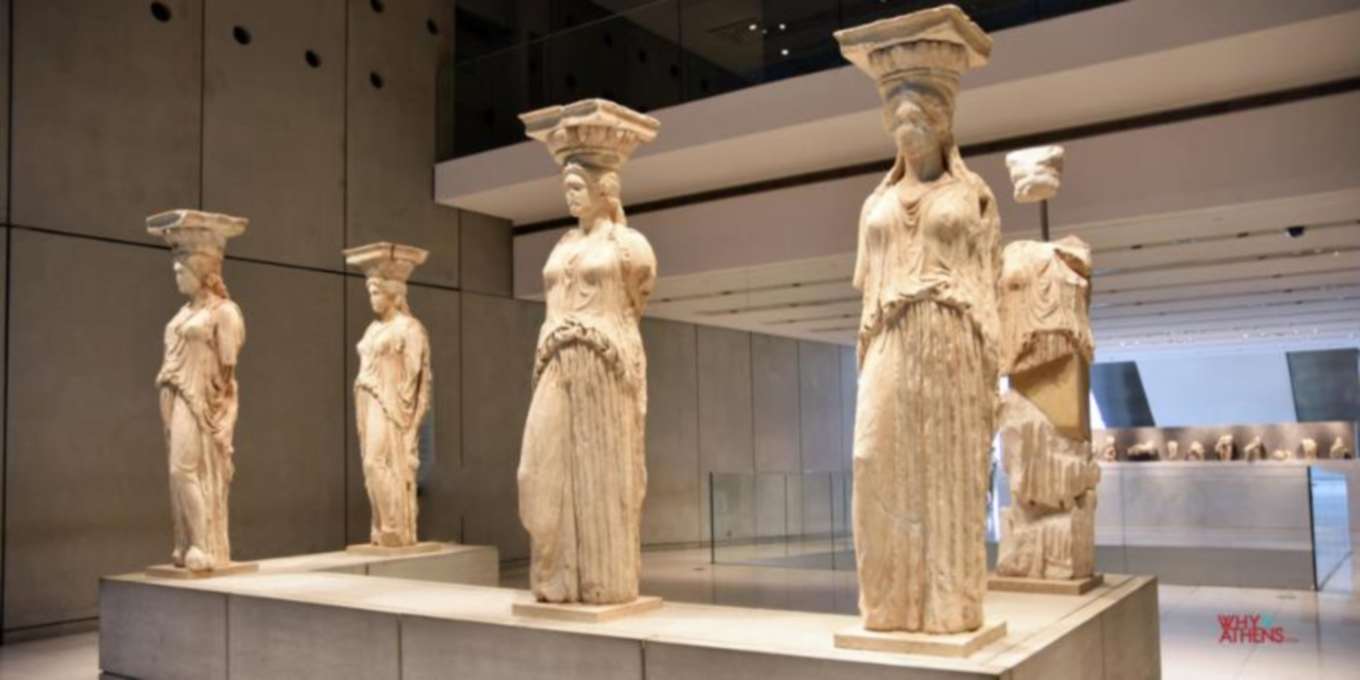
It is whether they can be permanently reunited with the surviving parts of the monument in the Acropolis Museum without Greece being required to recognise British ownership.
The Bayeux Tapestry enters the debate
The issue has gained fresh momentum following comments by British Museum director Nicholas Cullinan.
Cullinan has pointed to the temporary loan of the Bayeux Tapestry from France to Britain as an example of how major cultural disputes or sensitivities can sometimes be managed through cooperation and reciprocal loans.
The comparison is politically useful for the British Museum because it presents cultural lending as a flexible diplomatic solution.
But from the Greek perspective, the two cases are fundamentally different.
The Bayeux Tapestry is not the subject of an unresolved ownership dispute comparable to that surrounding the Parthenon Sculptures.
The Greek argument is that the Sculptures are integral parts of a single monument and should not be treated merely as movable objects in an international lending network.
Why ownership remains the core issue
The dispute therefore continues to revolve around one central question: ownership.
The British Museum maintains that Lord Elgin acquired the Sculptures lawfully under the Ottoman authorities and that their acquisition was subsequently endorsed by the British Parliament.
Greece rejects the legitimacy of that position and has consistently argued that the removal of the Sculptures fragmented a unique monument of world cultural heritage.
For Athens, any arrangement that could be interpreted as acknowledging British ownership remains politically sensitive.
That is why a simple loan solution, even one that returned the Sculptures to Athens for years, could still be seen as falling short of the Greek objective.
The economic backdrop matters too
There is also an important economic dimension.
The British Museum is preparing for one of the most ambitious renovation programmes in its history, with the redevelopment of its Western Range expected to require enormous financial resources and major changes to the display and movement of collections.
That creates a strong institutional incentive to expand international partnerships, travelling exhibitions and reciprocal loans.
In this context, the Parthenon Sculptures acquire strategic value not only as cultural assets, but also as instruments of international museum diplomacy.
A broader system of long-term cultural partnerships could allow the British Museum to maintain legal ownership while lending major works abroad for extended periods.
Cultural diplomacy instead of permanent return
This appears to be the direction favoured by the British side.
Rather than reopening the politically difficult question of permanent restitution and changing the British Museum Act, London and the museum appear more comfortable with a formula based on long-term loans, reciprocal exhibitions and cultural partnerships.
Such a compromise could allow the Sculptures to be displayed in Athens without forcing the British Museum to surrender its legal position.
For Greece, however, that formula contains an obvious risk.
A loan agreement could create the impression that Athens accepts that the Sculptures belong to the British Museum and are merely being borrowed.
That would undermine the central Greek argument that the issue is one of reunification, not temporary access.
Frankfurt sends a broader message
The Frankfurt exhibition therefore matters for more than its archaeological content.
It demonstrates how the Parthenon Sculptures are increasingly being inserted into a wider international framework of loans, shared exhibitions and cultural cooperation.
For the British Museum, this reinforces the argument that mobility can offer a practical solution.
For Greece, however, the priority remains different.
The objective is not simply for the Sculptures to travel.
It is for them to be reunited with the monument for which they were created, in Athens.
The political battle is changing form
The debate is no longer simply “return or no return.”
The emerging questions are more complex:
Permanent return, long-term loan, reciprocal cultural partnership or another form of shared stewardship?
The British Museum is trying to move the discussion toward a pragmatic formula that avoids surrendering ownership.
Greece, meanwhile, is trying to ensure that reunification is not transformed into a temporary borrowing arrangement.
That is why Frankfurt, the Bayeux Tapestry, London and Athens are all becoming part of the same wider negotiation.
The next phase of the Parthenon Sculptures dispute may therefore be decided not only by history and law, but by cultural diplomacy, museum economics and the precise legal meaning of the word “loan.”
Source: pagenews.gr
Διαβάστε όλες τις τελευταίες Ειδήσεις από την Ελλάδα και τον Κόσμο