A New Yalta in Shenzhen? What Trump, Xi and Putin Want—and Who Is Left Out
 ΧΡΟΝΟΣ ΑΝΑΓΝΩΣΗΣ 4 '
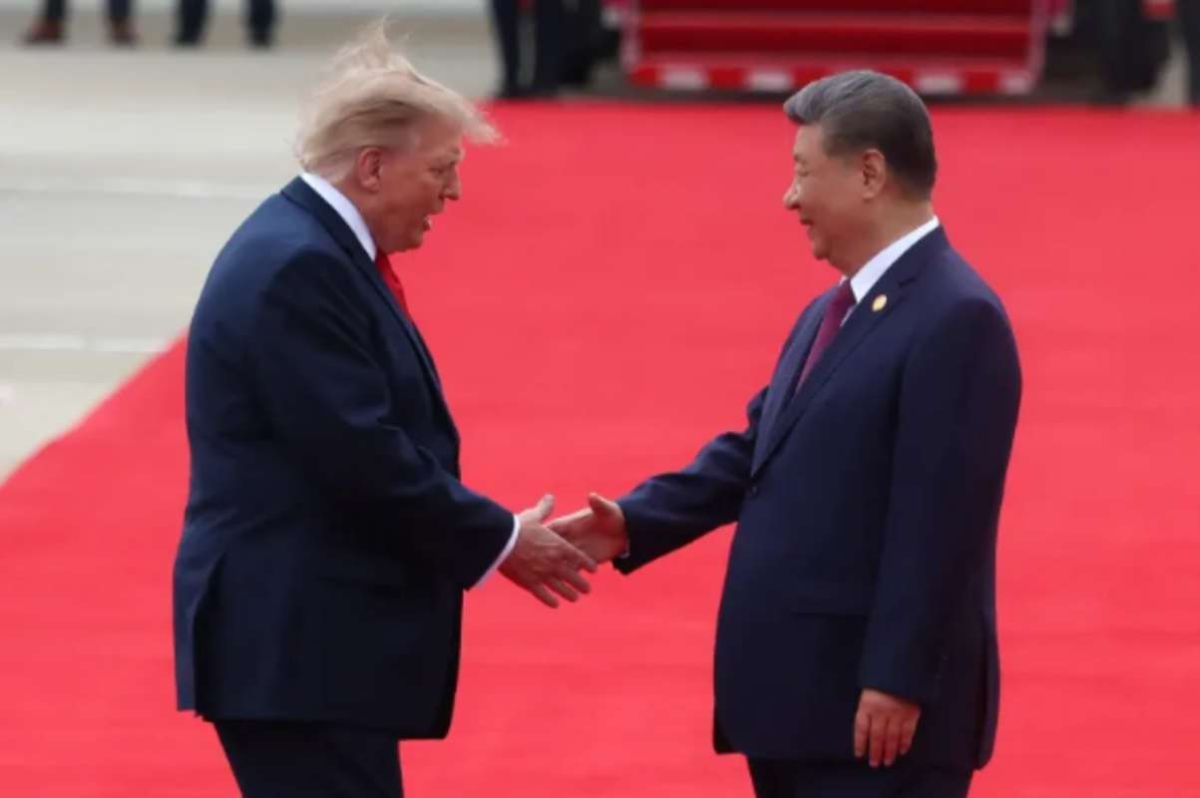
Πηγή Φωτογραφίας: China's President Xi Jinping, welcomes US President Donald Trump as he arrives at Shenzhen Bao'an International Airport for the Asia-Pacific Economic Cooperation (APEC) summit in Shenzhen, Guangdong province, southern China, November 18, 2026. Mark Schiefelbein/Pool via REUTERS



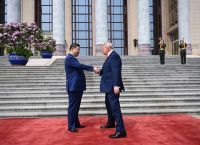
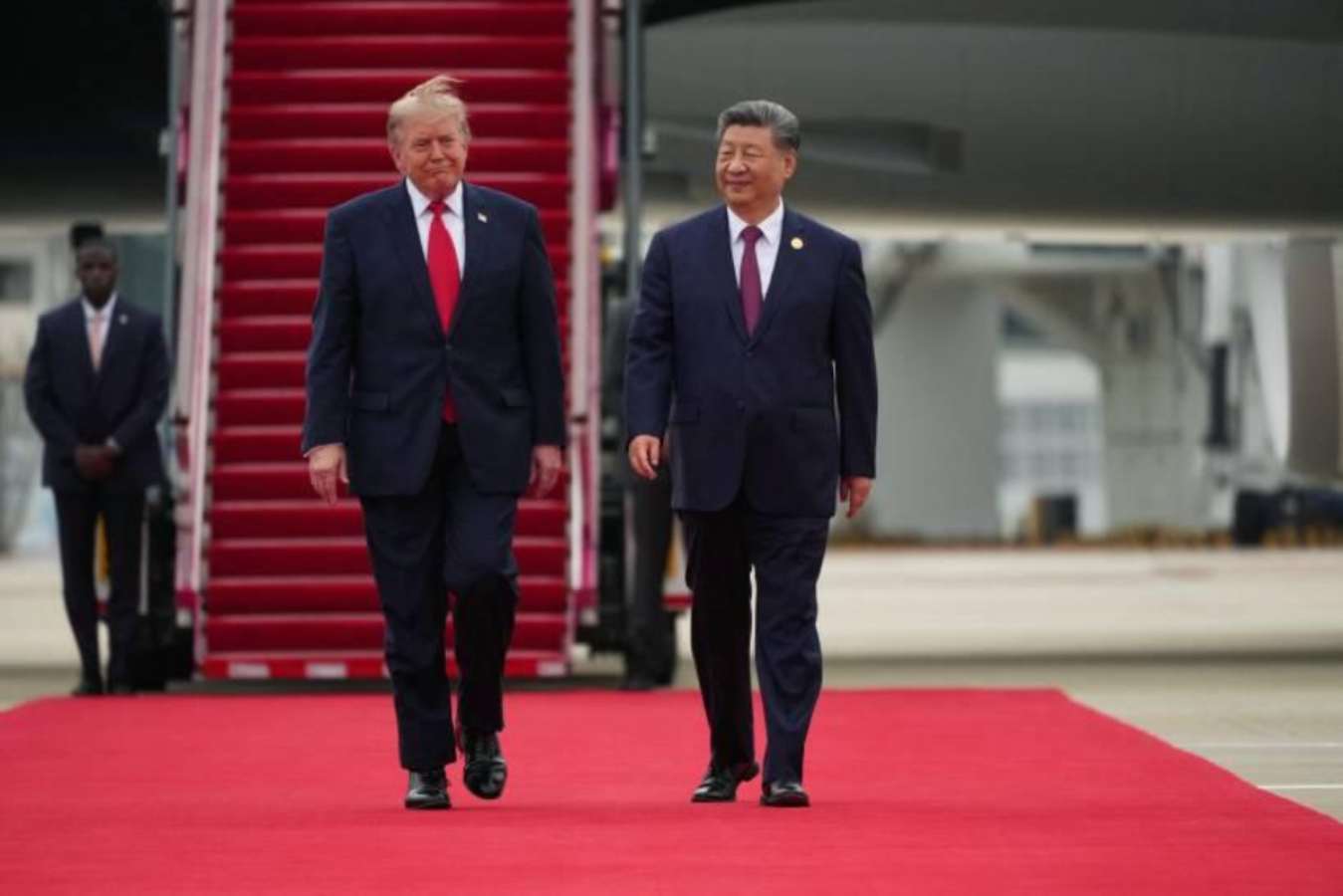
Xi Jinping personally welcomed Donald Trump at Shenzhen airport. Hours later, before the APEC welcome dinner, Vladimir Putin shook hands with the US president as Xi looked on. On Thursday, November 19, the three leaders are due to sit down for their first formal trilateral meeting, with Ukraine, Iran, trade and artificial intelligence among the possible topics.
The meeting has drawn comparisons with the 1945 Yalta Conference because three major powers are preparing to discuss wars and security arrangements that directly affect countries outside the room. The Kremlin dismissed the analogy as “games of political scientists.” For Kyiv and European capitals, the immediate question is whether the Shenzhen talks will shape the terms of any future negotiations on Ukraine before they have a seat at the table.
Xi champions open trade as Washington tightens chip controls
At the APEC business summit, Xi called on governments to support “free and open trade and investment” and safeguard the multilateral trading system centred on the World Trade Organization. He pledged to lower tariffs and widen access to China’s markets as Washington tightens restrictions on Beijing’s access to advanced AI chips.
One test of Xi’s pledge will be whether China buys more from abroad. According to the European Commission, China’s goods trade surplus reached $1.19 trillion in 2025, and figures so far point to another record in 2026. The Commission links the imbalance to Beijing’s industrial policies and weak domestic demand. For China’s trading partners, lower tariffs and broader market access will matter most if they translate into stronger demand for their goods.
Putin attacks sanctions as Trump puts Ukraine on the agenda
Putin described Western powers as “former hegemons” and said Europe was in “humiliating decline.” He argued that sanctions imposed after Russia’s full-scale invasion of Ukraine had backfired. Moscow has deepened trade ties with countries outside the Western sanctions coalition, while restrictions on finance and access to technology continue to shape its economy.
Putin spoke after Ukrainian strikes on the Kerch Bridge, which connects Russia with occupied Crimea. Trump has said he wants to discuss ending the war and limiting nuclear arsenals with Xi and Putin. Kremlin spokesman Dmitry Peskov said one hour had been allocated for the trilateral. Trump and Putin are also expected to hold a separate meeting with a small group of officials after the APEC plenary session.
Japan’s cool reception and Trump’s pledge in Manila
The regional divisions were visible even before the talks began. Reuters reported that Japanese Prime Minister Sanae Takaichi went straight to her vehicle on arrival, without the formal welcome afforded to several other leaders. Relations between Tokyo and Beijing have been strained since Takaichi said Japan could consider military involvement if Chinese action against Taiwan also threatened Japanese territory.
Before flying to Shenzhen, Trump announced deeper defence cooperation with the Philippines, a US treaty ally locked in maritime disputes with Beijing in the South China Sea. His stop in Manila underscored the security commitments Washington brings to the meeting. The first test in Shenzhen is whether the three leaders can agree on a concrete next step on Ukraine or arms control, and who gets to help shape it.
Source: pagenews.gr
Διαβάστε όλες τις τελευταίες Ειδήσεις από την Ελλάδα και τον Κόσμο