Christmas Comes Early for Macron: Big Tech Tax, Farm Subsidies and a Backlash Against Costa
 ΧΡΟΝΟΣ ΑΝΑΓΝΩΣΗΣ 4 '
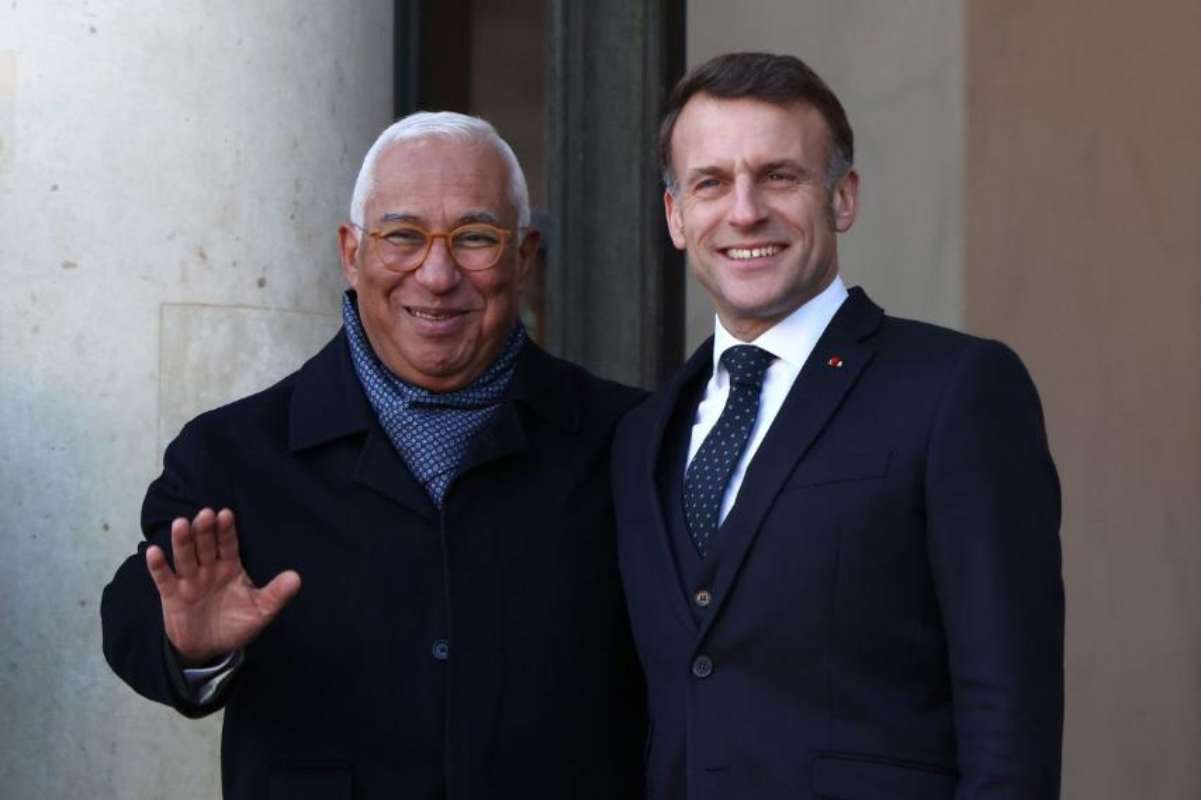
Πηγή Φωτογραφίας: António Costa and Emmanuel Macron stand side by side at the Elysée Palace in Paris on Jan. 6, 2026. | Tom Nicholson/Getty Images



“Seems like Santa Claus came early this year for the French.”
One EU diplomat’s assessment to POLITICO captures the reaction in some capitals to António Costa’s latest proposal for the European Union’s 2028–2034 budget.
Emmanuel Macron enters Thursday’s summit with significant French priorities reflected in the negotiating framework: a tax on large digital companies, protection for direct agricultural payments and the postponement of some repayments of the EU’s pandemic-era debt.
Paris nevertheless describes the proposal as “deeply disappointing” and says it “doesn’t provide a basis for an agreement.”
The Big Tech tax France wanted
The most prominent concession is Costa’s proposal to generate EU revenue through a tax on large digital services companies.
It revives a longstanding French objective that previously encountered resistance and concerns about American retaliation.
Macron has championed additional EU-wide revenue sources to limit the burden on national budgets. For France, the bloc’s second-largest contributor after Germany, the financial stakes are substantial.
Fabienne Keller, an MEP from Macron’s Renaissance party, called the digital tax proposal “good news.” But she also argued that the overall spending cuts undermine European ambitions and “clip its wings.”
Protecting €297 billion for farmers
Agriculture represents another major concession.
According to the report, Costa preserved €297 billion in direct payments to farmers, shielding them from reductions. He also gave a more explicitly agricultural purpose to funding previously framed more broadly as rural spending.
France maintains that the guarantees remain insufficient. The agricultural lobby Copa-Cogeca has echoed those concerns and announced a demonstration in Brussels on the day of the summit.
Other governments see farming receiving repeated protection while newer priorities face cuts.
“With every new [budget proposal] comes a new goodie for agriculture and a further cut to modernization,” a diplomat from a net-contributor country told POLITICO.
A €44 billion reduction and deferred repayments
The proposed budget totals approximately €1.78 trillion in current prices, making it €44 billion smaller than the previous framework presented by the Irish presidency.
That figure reflects a different comparison from the overall reductions against the European Commission’s original proposal.
Costa also proposes postponing approximately €10 billion in pandemic-debt repayments, reducing financing requirements during the next budget period.
An additional one-year extension to the deadline for spending regional funds would shift some payments further into the future.
Together with new revenue sources, these measures aim to contain national contributions. Under Costa’s proposal, average contributions would rise from approximately 0.80% to 0.82% of gross national income.
France says no — the frugals remain wary
The Élysée argues that the cuts are excessive and the safeguards for farmers inadequate.
Diplomats speaking to POLITICO, however, suggested that France had already secured a substantial share of its objectives.
“Don’t really understand the Elysée criticism,” one said. “They basically got what they wanted.”
Countries seeking a smaller budget remain equally reluctant to accept a compromise simply to meet the negotiating deadline.
The underlying dispute persists: how much Europe should spend, how that spending should be financed, and how resources should be divided between agriculture, poorer regions, defence and competitiveness.
A race against the electoral calendar
Costa and many governments want an agreement before the end of 2026, ahead of elections in France, Italy and Poland that could complicate negotiations.
An agreement among national governments would then need to be followed by a deal with the European Parliament.
Despite cautious optimism, resistance remains strong. As one EU diplomat told POLITICO:
“There is still a sense of rather no deal than a bad deal.”
Source: pagenews.gr
Διαβάστε όλες τις τελευταίες Ειδήσεις από την Ελλάδα και τον Κόσμο