Mitsotakis Draws EU Red Line for Turkey: SAFE, Casus Belli and Greece’s New Defence Doctrine
 ΧΡΟΝΟΣ ΑΝΑΓΝΩΣΗΣ 7 '
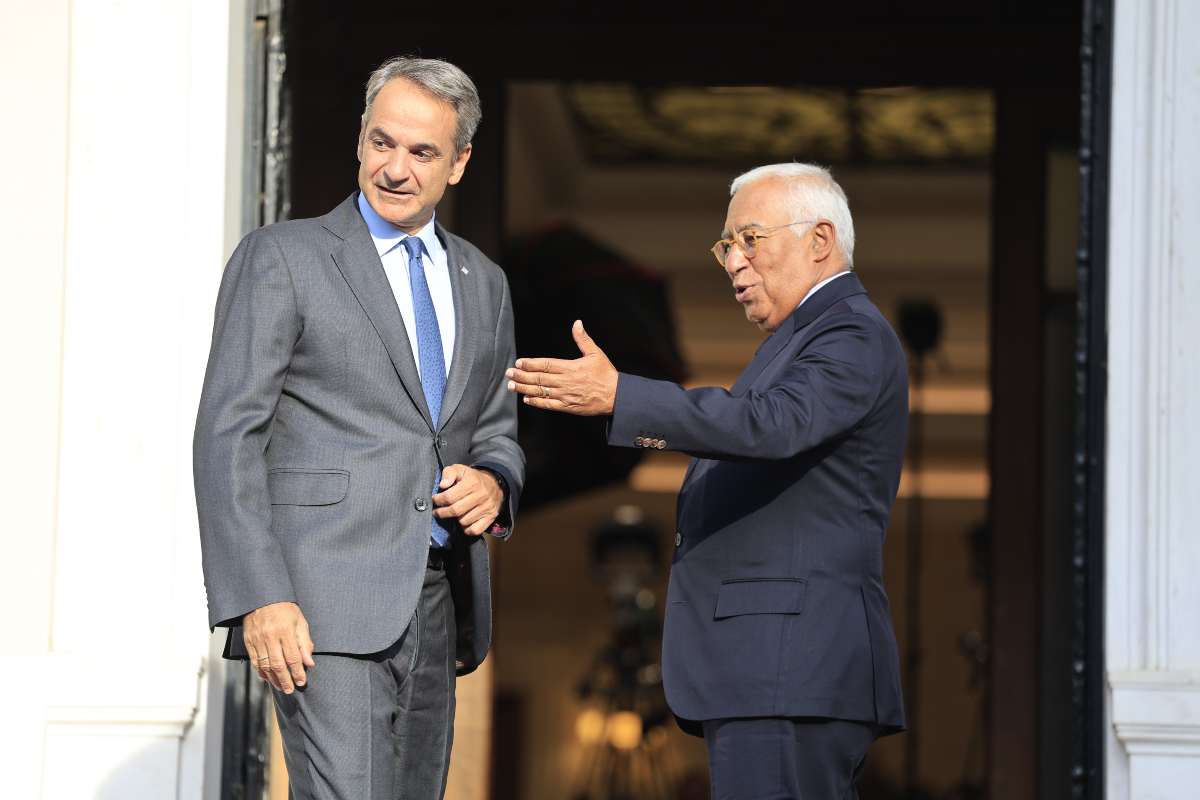
Πηγή Φωτογραφίας: eurokinissi//Mitsotakis Draws EU Red Line for Turkey: SAFE, Casus Belli and Greece’s New Defence Doctrine



Greek Prime Minister Kyriakos Mitsotakis delivered a message from Athens that went far beyond another episode in the long-running Greek-Turkish dispute.
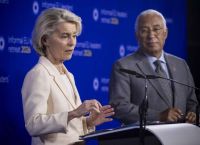
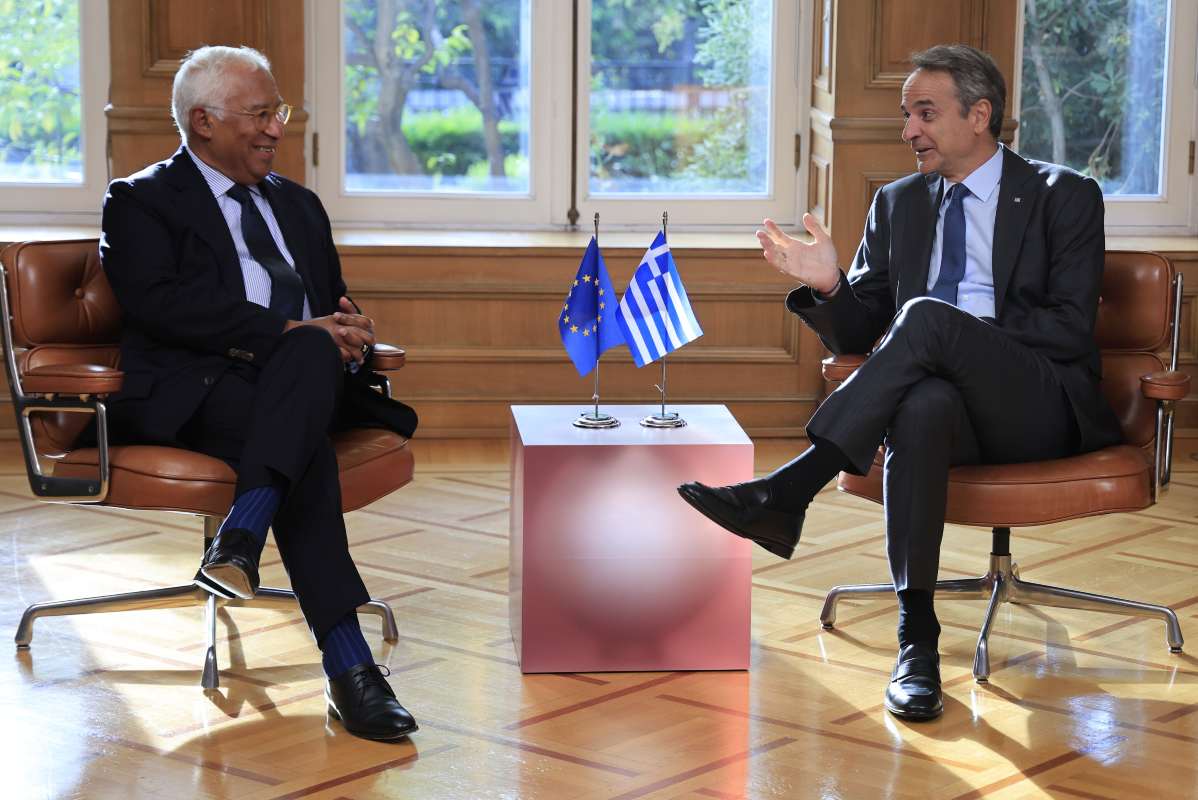
Standing alongside European Council President António Costa at the Maximos Mansion, Mitsotakis directly connected three increasingly intertwined issues: Turkey’s standing with the European Union, its potential participation in Europe’s emerging defence architecture, and Ankara’s continued threat of war against Greece.
The geopolitical message was clear: Turkey cannot seek a deeper role in European defence while maintaining policies that Greece considers incompatible with the security interests of an EU member state.
“My country is a peaceful country that poses no threat to anyone. It will not accept instructions from anyone on how to strengthen its defence,” Mitsotakis said.
Turning the casus belli into a European issue
The most consequential element of Mitsotakis’ intervention was his effort to move the Turkish casus belli beyond the framework of a bilateral Greek-Turkish dispute.
Athens is increasingly presenting the issue as a test of the European Union’s strategic credibility.
The Greek position is that a country seeking closer relations with the EU cannot simultaneously maintain a threat of war against one of its member states and challenge that country’s sovereignty.
“Turkey’s European path, which we want to strengthen, must go hand in hand with building good-neighbourly relations with Greece,” Mitsotakis said.
This represents an important shift in the diplomatic battlefield.
Rather than asking European partners simply to support Greece in its disputes with Turkey, Athens is attempting to incorporate Greek security concerns directly into the rules governing Europe’s new defence architecture.
SAFE becomes a pressure point
Mitsotakis’ explicit reference to the EU’s SAFE defence instrument was therefore particularly significant.
“I would remind you that a condition for participation in the SAFE programme is that the security and defence interests of member states must not be undermined,” the Greek prime minister stressed.
He also said he had briefed Costa on the recent escalation of Turkish activity, particularly in the Aegean.
The message has two audiences.
For Ankara, Athens is signalling that access to Europe’s rapidly expanding defence ecosystem cannot be considered separately from Turkey’s conduct towards Greece.
For European capitals, Greece is warning that the drive to mobilise defence capabilities and cooperate with strategically important third countries cannot come at the expense of the security concerns of EU members.
Greece: We do not need permission to defend ourselves
There was also a second message directed squarely at Ankara.
Mitsotakis’ insistence that Greece will accept no instructions over its defence posture amounts to a rejection of Turkish criticism of Athens’ military modernisation.
Greece has embarked on a broad upgrading of its armed forces as the European security environment has deteriorated dramatically.
Athens’ argument is that this military reinforcement is defensive: Greece does not challenge borders or threaten neighbouring states, but retains the sovereign right to build the deterrent capabilities it considers necessary.
This reverses the political question Greece wants its European partners to ask.
The issue, from Athens’ perspective, is no longer why Greece is strengthening its military capabilities, but how a country maintaining a threat of force against an EU member can simultaneously demand greater access to European defence cooperation.
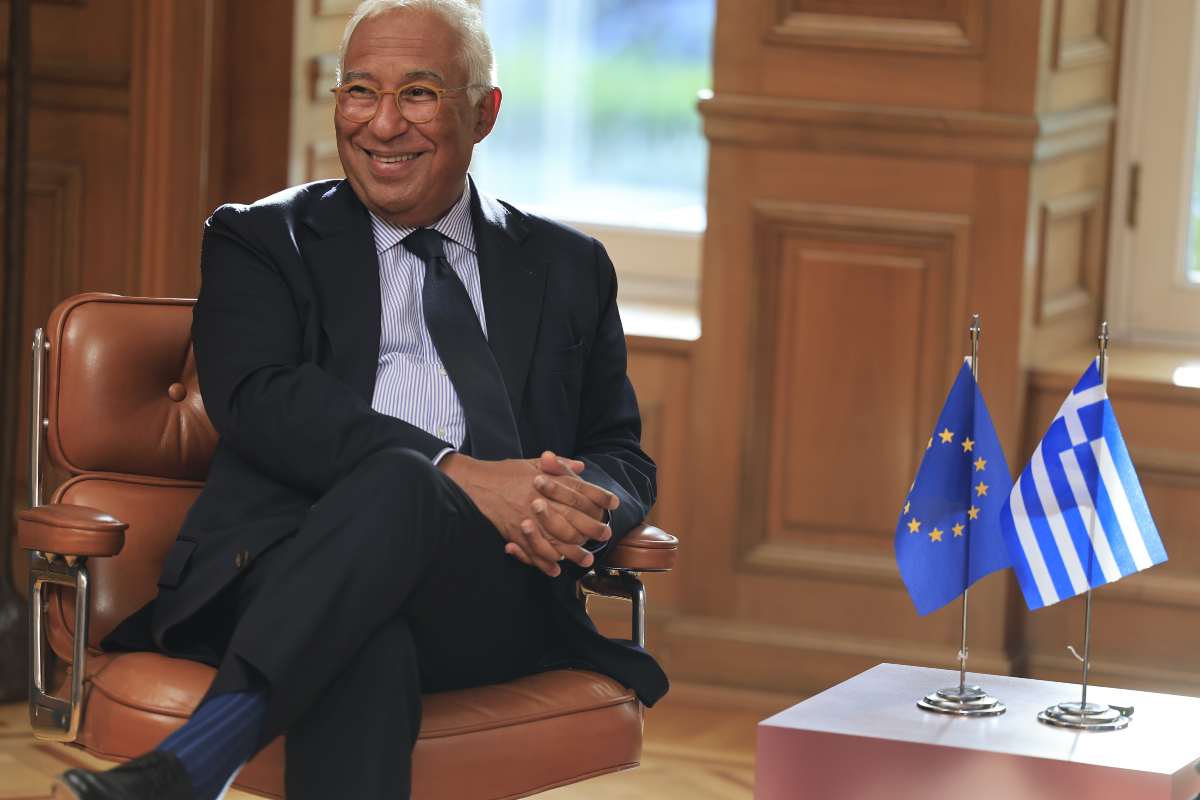
Costa and the strategic importance of the Eastern Mediterranean
The presence of António Costa gave the intervention additional political weight.
The European Council president’s visit to Athens forms part of his contacts with EU member states as Europe prepares for major decisions over defence, competitiveness and its future budget.
Costa stressed the need to respond to a geopolitical environment fundamentally different from the one Europe faced only a few years ago.
That means finding the resources to finance defence while preserving social cohesion and strengthening European competitiveness.
He also emphasised the importance of stability and security in the Eastern Mediterranean — a region whose strategic importance is rising as Europe confronts simultaneous challenges to its east and south.
From the Aegean to Hormuz
Mitsotakis deliberately placed Greek-Turkish relations within an even broader geopolitical picture.
He reiterated Greece’s support for Ukraine and stressed the importance of freedom of navigation for global food and energy security.
His reference to the Strait of Hormuz was particularly relevant at a moment of acute instability around one of the world’s most important energy corridors.
Athens also highlighted Greece’s participation in the EU’s Operation Aspides, reinforcing a wider Greek strategic narrative: as one of the world’s major maritime nations and an EU frontier state in the Eastern Mediterranean, Greece considers itself a provider of European security rather than merely a consumer of it.
The bigger picture: Athens is Europeanising pressure on Ankara
This is ultimately the strategic significance of Mitsotakis’ message.
Athens is no longer treating the dispute with Turkey exclusively as a bilateral confrontation requiring European diplomatic solidarity.
It is trying to embed Greek security interests into the institutional architecture of the EU itself.
As Europe spends significantly more on defence and considers deeper cooperation with strategically important non-EU states, Greece wants a fundamental principle established: European defence policy cannot strengthen actors whose policies threaten the security of EU member states.
That creates a potentially consequential dilemma for Ankara.
Turkey remains strategically important to Europe, NATO and the wider security architecture surrounding the Black Sea, Eastern Mediterranean and Middle East. Greece itself says it supports a stronger European relationship with Turkey.
But Athens is attaching a condition to that rapprochement.
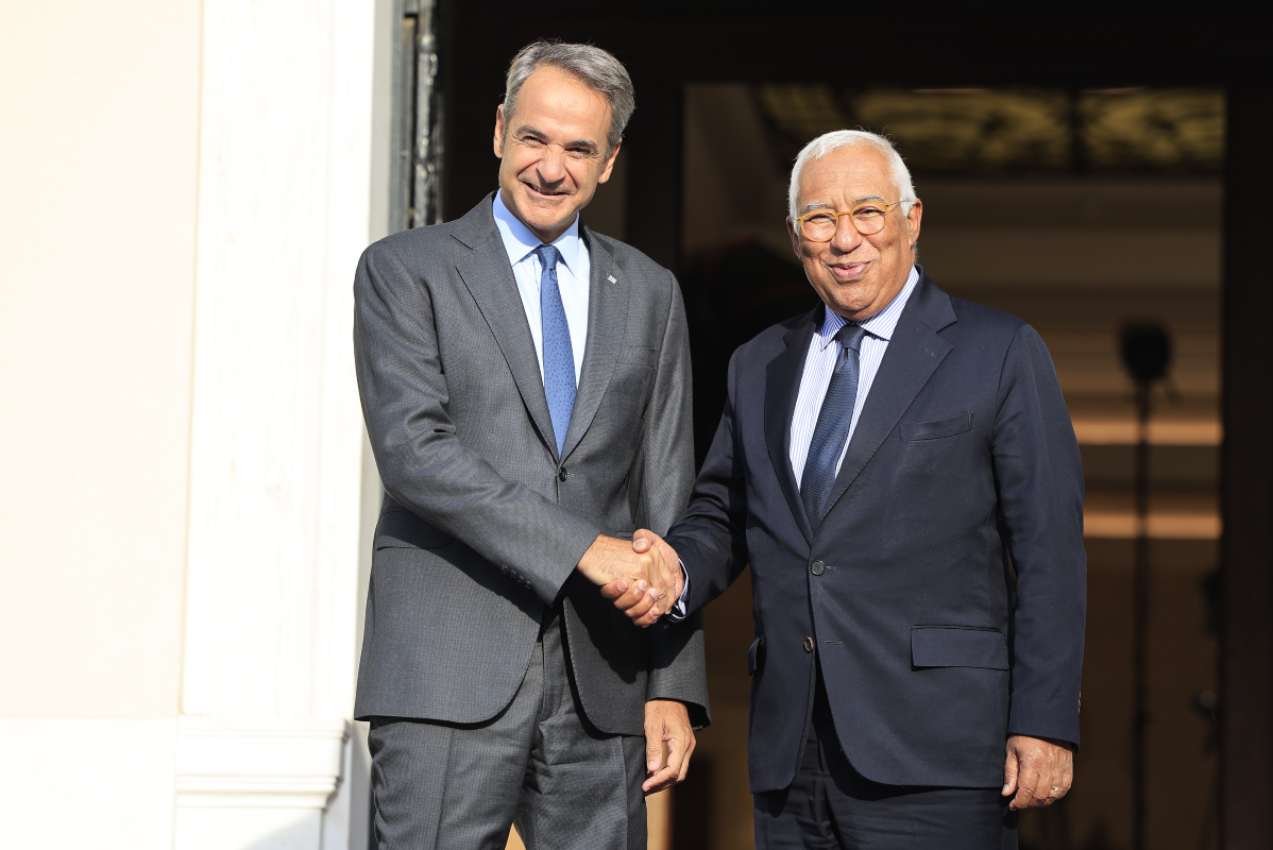
Closer integration with Europe cannot, in the Greek view, advance independently of the Aegean, international law, good-neighbourly relations and the casus belli.
The message delivered alongside António Costa was therefore not simply another warning to Ankara.
It was an attempt to redefine the terms under which Turkey can move closer to Europe’s emerging defence order.
Source: pagenews.gr
Διαβάστε όλες τις τελευταίες Ειδήσεις από την Ελλάδα και τον Κόσμο