


Eurogroup on High Alert – Energy Crisis Shakes Economies & Politics in Europe
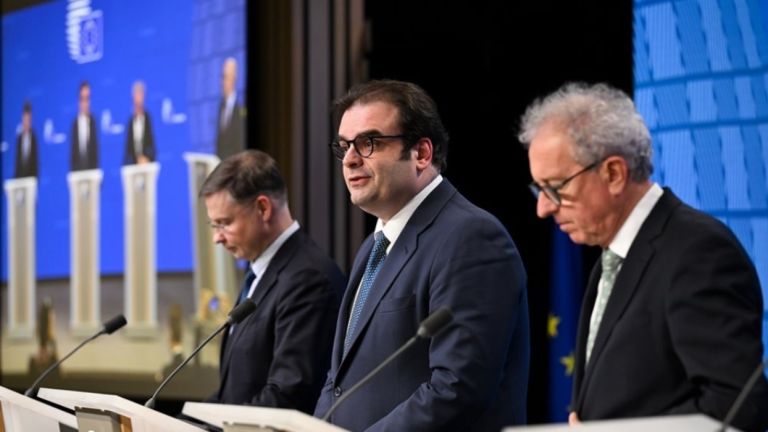
Πηγή Φωτογραφίας: eurokinissi//Eurogroup on High Alert – Energy Crisis Shakes Economies & Politics in Europe



In a critical Brussels session today, Eurozone finance ministers convened to address the rapidly escalating energy crisis, threatening to reignite inflationary pressures reminiscent of 2022, after Russia’s invasion of Ukraine. Brent crude surpassed $93 per barrel, while European natural gas climbed to €54–60/MWh, putting asymmetric pressure on EU member states due to varying reliance on imported energy
Two Crisis Scenarios & Macroeconomic Risks
The discussions focused on two main scenarios:
- Short-term disruption – Middle East tensions de-escalate within three months, limiting energy price spikes.
- Prolonged crisis – conflicts continue through summer 2027, driving long-term inflation, higher production costs, and instability in financial markets.
Geopolitical involvement from the US, Israel, Iran, and other Arab states amplifies market instability, leaving investors increasingly pessimistic about Europe’s economic trajectory.

Energy Security & Political Tensions
With many countries dependent on energy flows through the Strait of Hormuz, the EU must ensure secure oil and gas supplies. The differing exposure across member states highlights the fragmentation in EU energy policy.
Eurogroup President Kyriakos Pierrakakis emphasized that the EU has intervention tools, but coordinated action across the bloc is necessary to maintain fiscal stability while protecting households and businesses. He also stressed boosting renewable energy adoption and enhancing cross-border energy infrastructure.
Political Implications & Behind-the-Scenes Tensions
The crisis is not only economic but also geopolitical and political:
- The EU must navigate internal disagreements among member states over energy security strategies.
- Governments face pressure to avoid measures that strain budgets while addressing rising household energy costs.
- Globally, coordination through the G7 on strategic oil reserves underscores how energy policy has become a tool of geopolitical leverage.
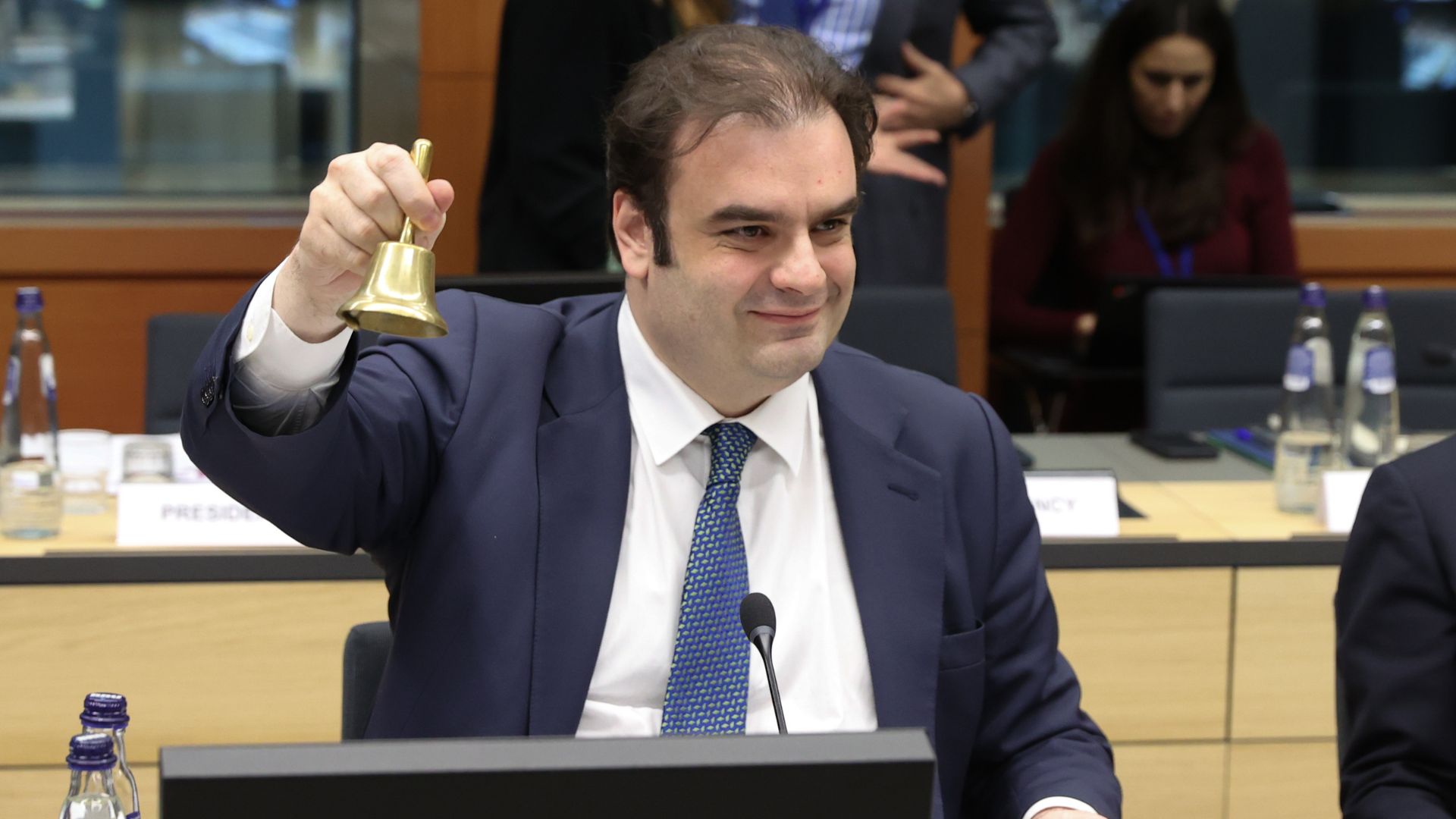
Today’s Eurogroup session highlights that Europe is at a crossroads of crisis: energy, economy, and political cohesion are being tested simultaneously. The EU’s ability to act collectively, protect households, and maintain market stability will largely determine the resilience of European economic and social policy throughout 2026.
Source: pagenews.gr






Το σχόλιο σας