


Erdogan and the Battle for Leadership of Islam: Ankara’s Emerging Geopolitical Strategy
Πηγή Φωτογραφίας: AP Photo//Erdogan and the Battle for Leadership of Islam: Ankara’s Emerging Geopolitical Strategy



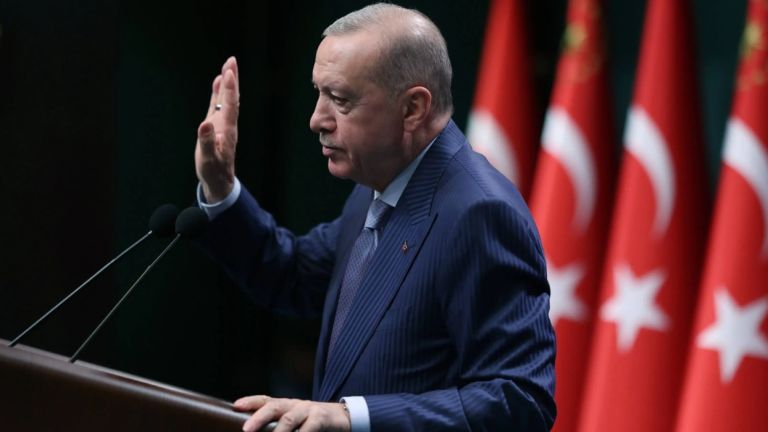
The latest intervention by Turkey’s president, Recep Tayyip Erdoğan, has once again brought to the forefront a strategic plan that has been taking shape in Ankara for years: Turkey’s effort to present itself as a leading force in the global Muslim world.
Speaking before the parliamentary group of the ruling party, the Turkish president emphasized the need to overcome religious divisions between Sunnis and Shiites, portraying himself as a voice of unity for Muslims worldwide.
“We do not have a religion of Sunnism or Shiism. We have one religion. That is Islam,” he declared, invoking the concept of the Ummah—the global community of Muslims.
The Strategy of “Islamic Unity”
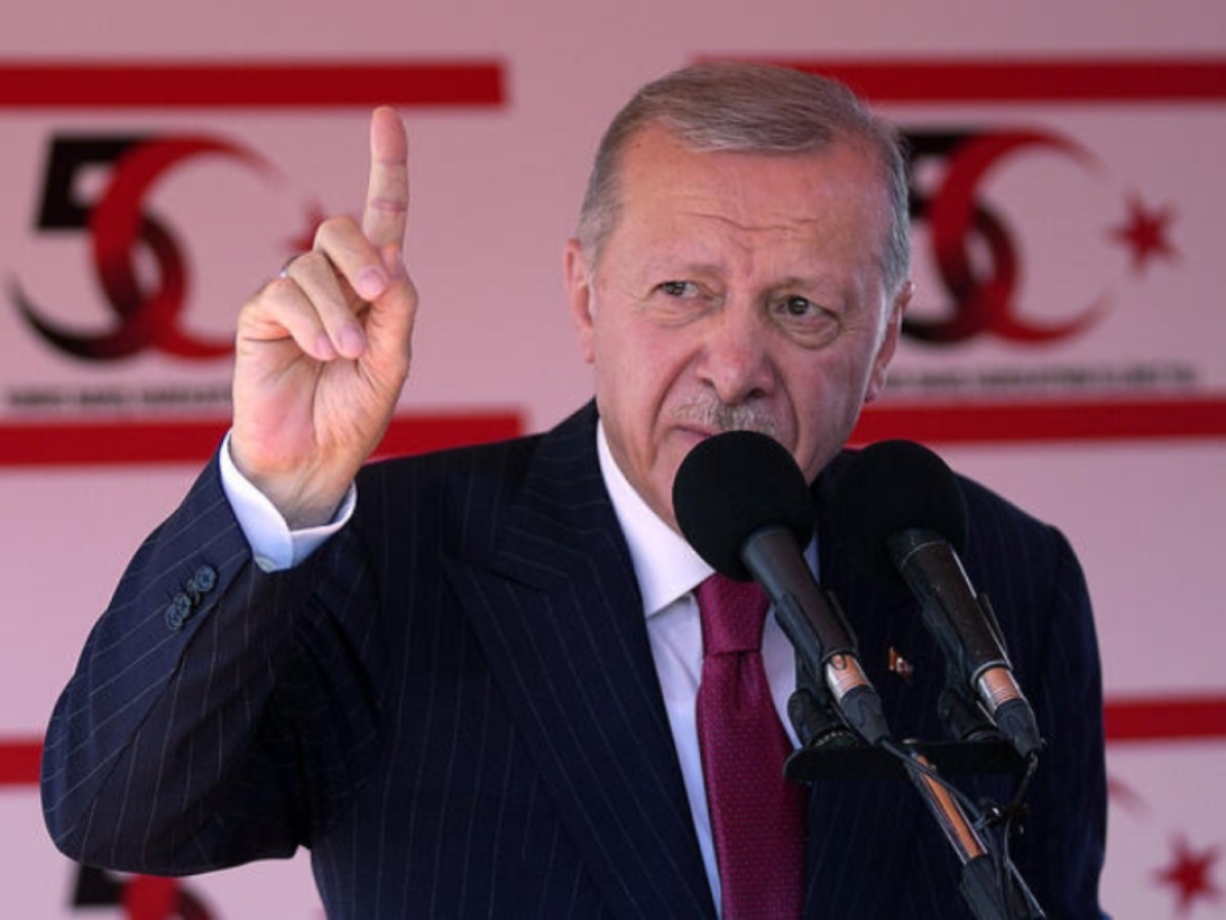
The Turkish president’s rhetoric is not a one-off statement. Rather, it forms part of a long-term political strategy aimed at strengthening Turkey’s geopolitical influence across the Muslim world.
In a recent analysis, The Economist noted that Erdoğan frequently addresses not only a domestic audience but also the nearly two billion Muslims around the world, attempting to present himself as a representative of their interests.
In a speech ahead of Ramadan, he stated:
“May the Ummah not be crushed by divisions that have lasted for centuries. If we hold on to our brotherhood and our faith, there is no trap we cannot break.”
This rhetoric reinforces Turkey’s image as a power aspiring to bridge the religious divide between the two major branches of Islam.
The Geopolitical Vacuum in the Middle East
The timing of these remarks is widely seen as significant. The latest escalation in the Middle East, including military operations by United States and Israel targeting Iran, appears to be creating a geopolitical power vacuum in the region.
Iran, which for years acted as a leading pole of the Shiite world through the so-called “axis of resistance,” now appears weakened. At the same time, regional powers such as Saudi Arabia, Israel and Turkey are seeking to expand their influence.
Within this evolving landscape, Ankara aims to position itself as an intermediary power capable of engaging with both Sunni and Shiite states.
Turkey’s Narrative of Power
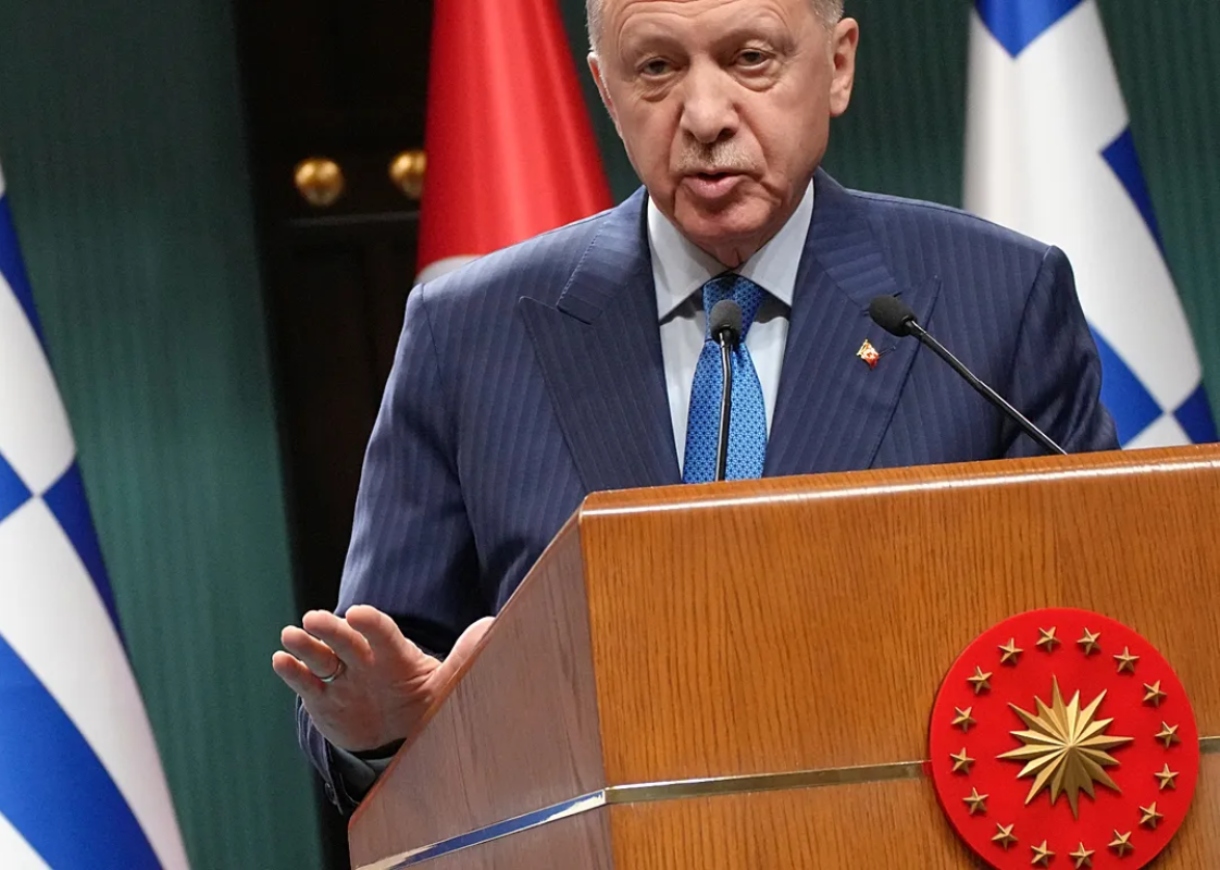
Erdoğan did not limit himself to religious references. In the same speech, he invoked historical memory and Turkey’s military achievements.
“Turkey is not just any country. Anyone who wants to see our character should look at Cyprus, the War of Independence, and the victory at the Dardanelles,” he said.
The reference aligns with Ankara’s broader strategy of combining:
- the historical symbolism of the Ottoman legacy
- religious rhetoric
- geopolitical and military power
Together, these elements form a narrative portraying Turkey as the natural leader of the Muslim world.
Western Reactions
This strategy has drawn significant interest—but also caution—in the West.
Analysts note that Erdoğan has managed to gain considerable resonance among societies in the Middle East, Africa and Southeast Asia, largely because he presents himself as a leader defending Muslim causes on the global stage.
His stance on issues such as Palestine and Gaza Strip, as well as on Muslim minorities worldwide, has strengthened that image despite tensions between Turkey and Western countries.
A New Era of Leadership in Islam?
Historically, after the death of the Prophet Muhammad in 632 CE, the Muslim world never established a single unified global leadership.
Today, however, some analysts argue that turmoil in the Middle East and the weakening of traditional powers are creating space for new contenders.
Within this context, Erdoğan appears to be promoting a leadership model that combines:
- political power
- Islamic identity
- regional military influence
The open question remains whether Turkey can truly transform this rhetoric into genuine leadership across the Muslim world—or whether it will remain primarily a strategy of geopolitical projection amid a rapidly shifting global order.
Διαβάστε όλες τις τελευταίες Ειδήσεις από την Ελλάδα και τον Κόσμο




Το σχόλιο σας