


Noam Katz on pagenews.gr: “Iran is not the enemy, but the regime that threatens peace”
 ΧΡΟΝΟΣ ΑΝΑΓΝΩΣΗΣ 7 '
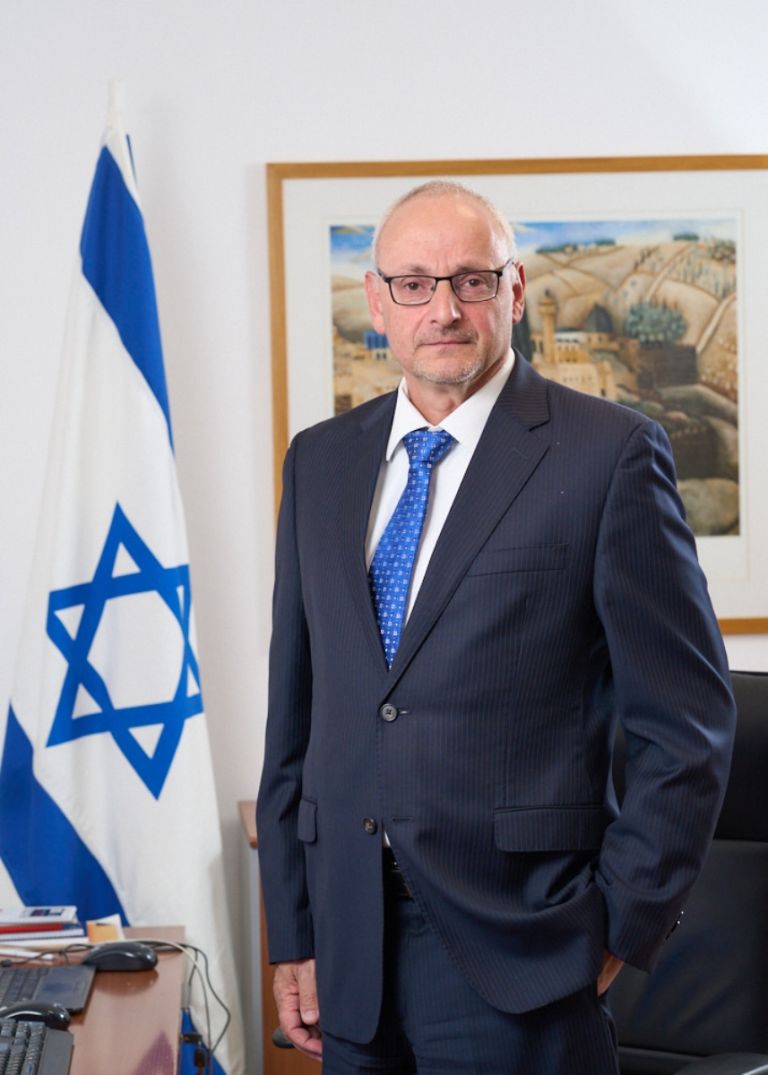



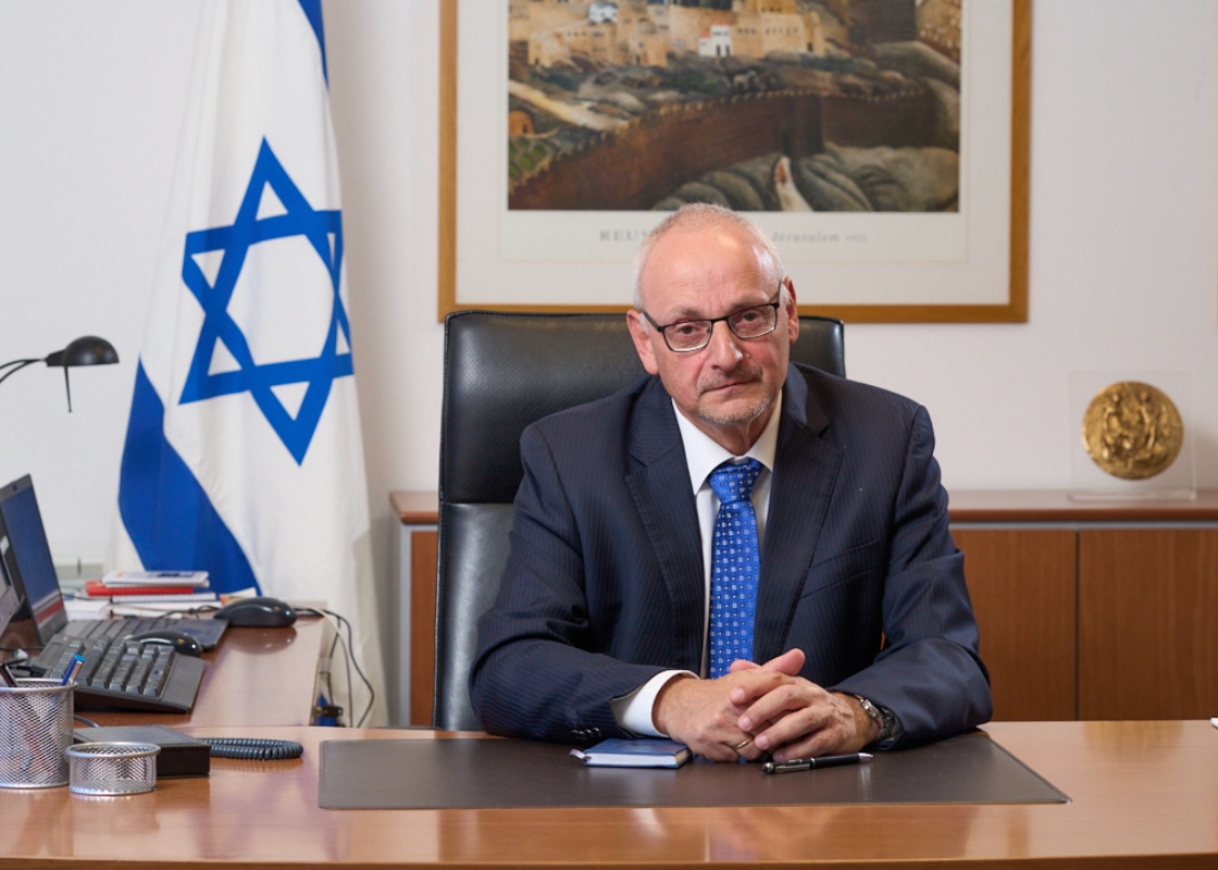
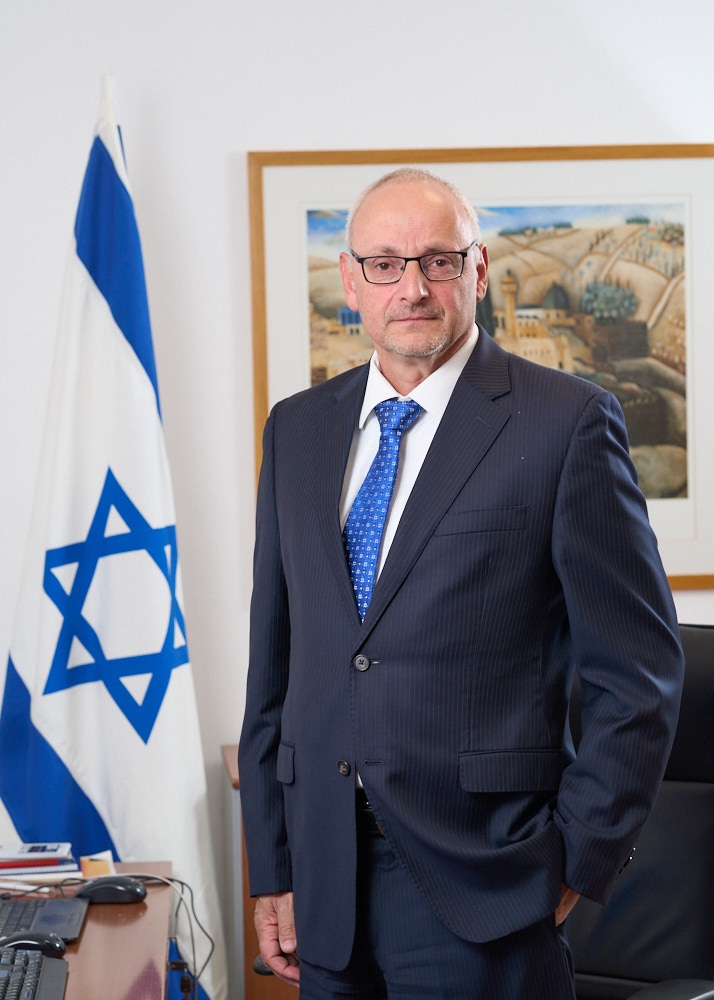
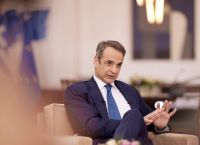
“Israel is not fighting Iran, but the regime that threatens peace in the region. Peace passes through strategic cooperation and hard work.” – Noam Katz, Ambassador of Israel to Greece
Interview with Noam Katz
GEOPOLITICS – NEW BALANCE IN THE MIDDLE EAST
How does Israel perceive the new geopolitical balance after the recent U.S.–Israel military engagement with Iran?
“Since its establishment, the Iranian Ayatollah regime declared that it’s committed to the annihilation of the State of Israel. It’s one of the core beliefs of its ideology. It wasn’t only statement but Iran developed the means in order to do that. They started to develop a military nuclear program, they developed ballistic capabilities, and they built armies of terror in states surrounding Israel and within the Middle East, like the terror army of Hezbollah in Lebanon, the Houthis in Yemen, Hamas in Gaza, and were working in action to promote their own goal. So, we are in an ongoing military conflict with Iran for a long time. This American-Israeli operation, led by the United States and its President, Trump, is aiming to destroy the threatening capacity of Iran on the entire region and beyond. So, the first objective is to destroy their ballistic capability, the launchers, the stockpiles of ballistic missiles and their production capacity.”
Is Iran the only threat in the region?
“No, all this capacity, as exemplified by reality, is reaching from Cyprus to all the Gulf States, more than 12 countries, including Turkey and Azerbaijan, which were attacked by Iran during this engagement, by the way, without provocation and without being involved in the Israeli-American operation. So, it’s the ballistic and nuclear capacity that is threatening the world order and world peace and security. Other capacities, like the military naval power of Iran, are constantly involved in threatening supply chains and freedom of navigation.”
U.S.–ISRAEL STRATEGIC ALLIANCE
How deep is the strategic coordination between Israel and the United States?
“We have strong, iron-clad relations with the United States over the years. There is also very close chemistry between the President of the United States and Prime Minister Netanyahu. The United States is the main global force acting as a stabilizer. We think about war, but this war is to stabilize the Middle East, not destabilize it. We are fortunate that President Trump has the courage, leadership, and determination to change reality. He led peace in the Middle East with the Abraham Accords in his first term, and I think that following these developments, we will be better positioned in the region to expand relations among pragmatic forces and bring more stability to the Middle East.”
ISRAEL–GREECE: STRATEGIC AXES
What are the most important geopolitical interests shared by Israel and Greece?
“Looking west, we see Greece and Cyprus, the quietest borders of the State of Israel. We have an interest in cementing our relations to bring more prosperity to our societies. At the same time, we have a vision of connectivity. This alliance aims to improve citizens’ lives, promote stability, and serve as a bridge between the Indo-Pacific and Europe. Both countries share the vision of being a crucial part of new supply chains, whether in energy, commerce, or data cables, which will go through the Middle East and enhance stability and our ability to face regional challenges, from climate to security.”
ECONOMY AND RESILIENCE
How resilient is Israel’s economy to a prolonged conflict costing up to $9 billion per week?
“If you had asked me in October or November ’23, my answer would be different. The proof is that the Israeli economy is extremely resilient and capable. Only one quarter at the end of ’23 and start of ’24 saw a drop in growth, and since then, Israeli economic growth has steadily increased despite the war. We have very strong economic engines, like technology, startups, and innovation, as well as military industries involving high-tech, proving the resilience of our system. Despite increased expenses, our production-to-debt ratio is better than many European countries and successful economies worldwide.”
GLOBAL ENERGY – STRAIT OF HORMUZ
How likely is a global energy crisis?
“Wars, especially in areas with massive production, create difficulties for affected countries. We saw it after Russia’s invasion of Ukraine, and with rising energy prices in Europe. Now it is under control, with the Strait of Hormuz kept open, alternative routes, reserves, and increased production. Trade from other parts of the world is also important. The largest energy supplier remains the United States, and I believe the market will stabilize.”
IRAN – NEW LEADERSHIP
How does Israel view Mojtaba Khamenei after the death of Ayatollah Khamenei?
“Father like son. Mojtaba Khamenei is recorded as one of the hardliners. If Iran keeps its current regime, it will remain very strict. We hope the cracks and this war will lead to change within Iran. We cannot engineer governments in other countries, but the pressure we apply may release the Iranian people and eventually lead to change.”
Do you foresee further escalation or a different approach from Iran?
“If Iran changes its approach and becomes a productive player on the world agenda, everyone will be happy, first in our region and neighbors, and in the wider region. The main problem is not Iran itself, but the current administration and ideology, which has destabilized since the Iranian revolution. If that changes, Iran could immediately become a partner.”
LEBANON – HEZBOLLAH
What is the role of Hezbollah, and Israel’s position?
“Hezbollah decided to join Iran in attacking Israel. Currently, there is an Israeli operation to reduce its power. Hezbollah serves the interests of Iran, not the Lebanese people. The Lebanese government outlawed Hezbollah, but lacks capacity. The main problem is removing this terror army that serves Iran. Israeli actions are not aimed at the Lebanese people or government but are meant to weaken Hezbollah, making it easier for the Lebanese government to regain control.”
Through his clear and decisive voice, Noam Katz emerges as a pillar of strategy and stability in the Middle East—a diplomat who combines geopolitical insight with realistic political strategy. By explaining the U.S. alliance, the relationship with Netanyahu, his firm stance toward Iran and Hezbollah, and the exemplary support of the Greece partnership, Katz demonstrates that Israel balances security with diplomacy. His ability to clarify complex strategic issues, highlight the resilience of Israel’s economy, and project a commitment to peace, makes him not only a representative of his country but also a globally respected leader, capable of inspiring confidence and shaping the Middle East’s geopolitical future in a positive direction.
Source: pagenews.gr
Διαβάστε όλες τις τελευταίες Ειδήσεις από την Ελλάδα και τον Κόσμο




Το σχόλιο σας