EXPLAINER | Turkey Sounds Alarm Over Greece and Cyprus as Eastern Mediterranean Arms Race Intensifies
 ΧΡΟΝΟΣ ΑΝΑΓΝΩΣΗΣ 4 '
Πηγή Φωτογραφίας: eurokinissi//EXPLAINER | Turkey Sounds Alarm Over Greece and Cyprus as Eastern Mediterranean Arms Race Intensifies



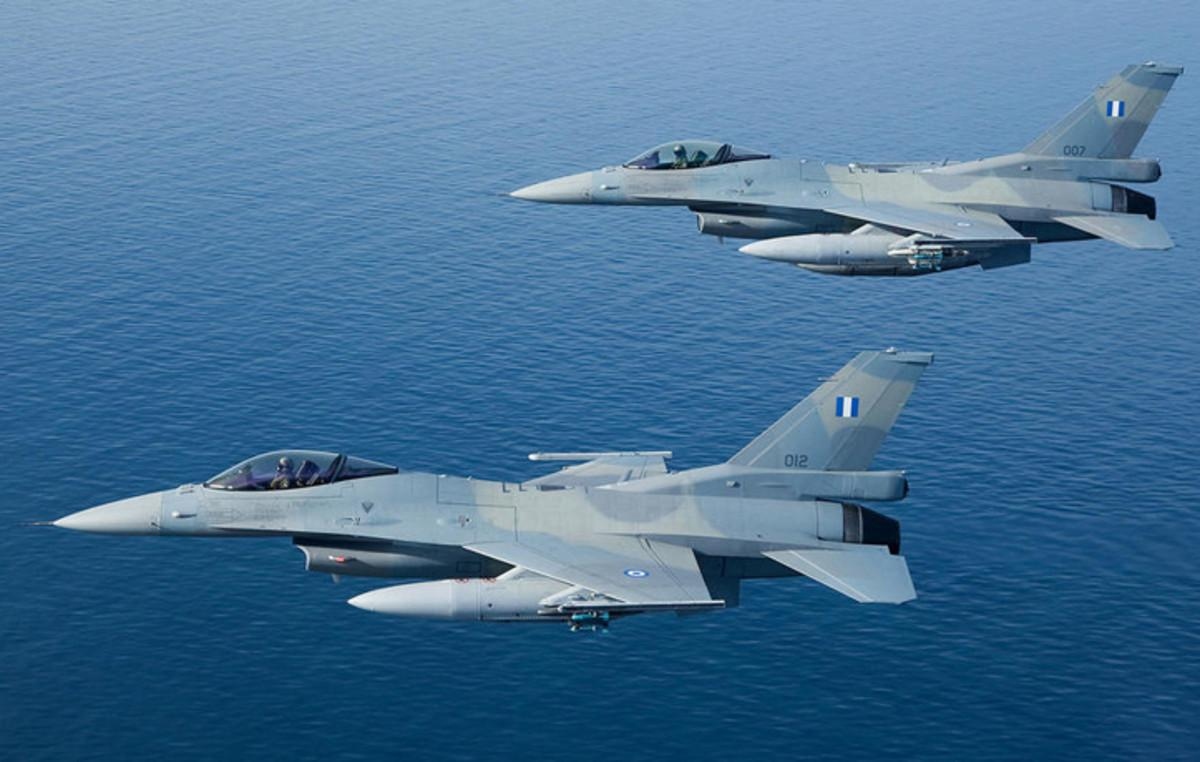
The latest Turkish warning to Greece and Cyprus to avoid an arms race is about far more than defense spending.
Behind Ankara’s increasingly vocal concerns lies a growing belief that the strategic landscape of the Eastern Mediterranean is shifting in ways that could challenge Turkey’s long-term regional influence.
As Greece accelerates its military modernization, Cyprus strengthens its defense partnerships with Western and regional powers, and security cooperation among Greece, Cyprus and Israel deepens, Turkish officials see more than isolated developments. They see the emergence of a new geopolitical architecture on Turkey’s doorstep.
Why Turkey Is Raising the Stakes
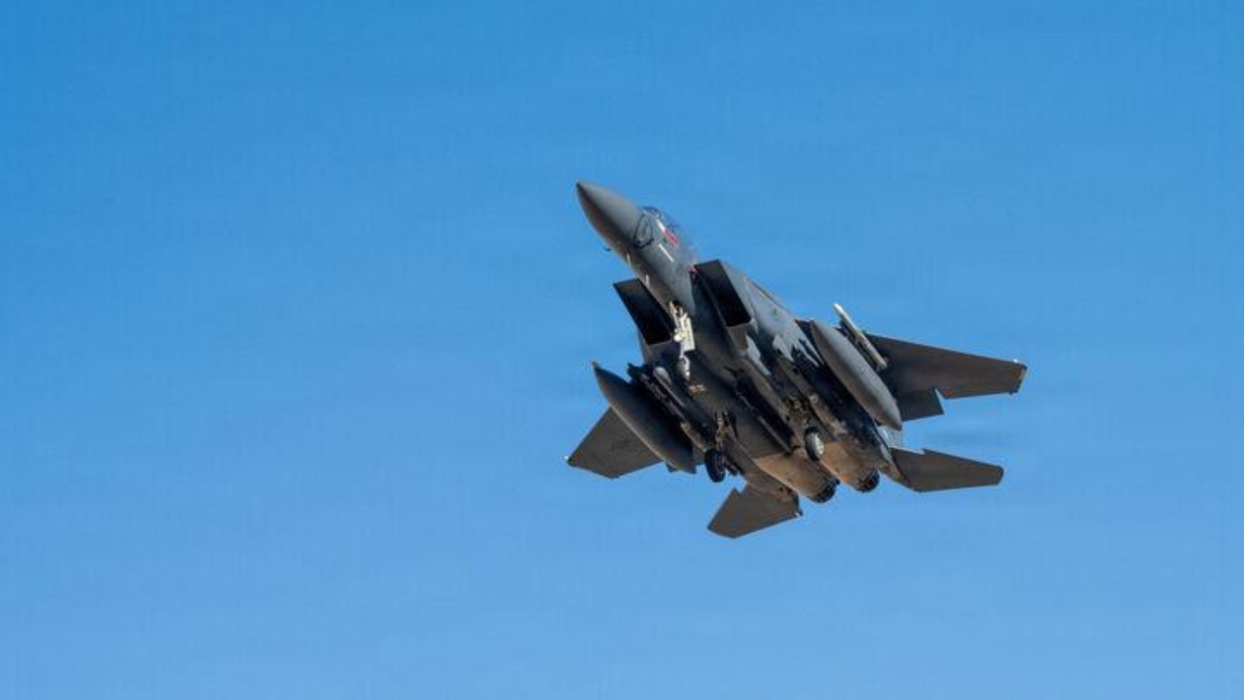
For Ankara, the issue is not simply the acquisition of new fighter jets, missile systems or air-defense networks.
Turkish policymakers increasingly argue that a combination of military partnerships, energy cooperation agreements and defense initiatives is creating a strategic environment designed to constrain Turkey’s room for maneuver across the Eastern Mediterranean.
The concern extends beyond military hardware.
From maritime boundaries and offshore energy resources to regional security arrangements, Turkish officials believe the region is entering a new phase in which geopolitical alignments could prove as important as military capabilities themselves.
Greece’s Counterargument: This Is About Deterrence
Athens rejects the notion that its defense buildup is aimed at altering regional balances.
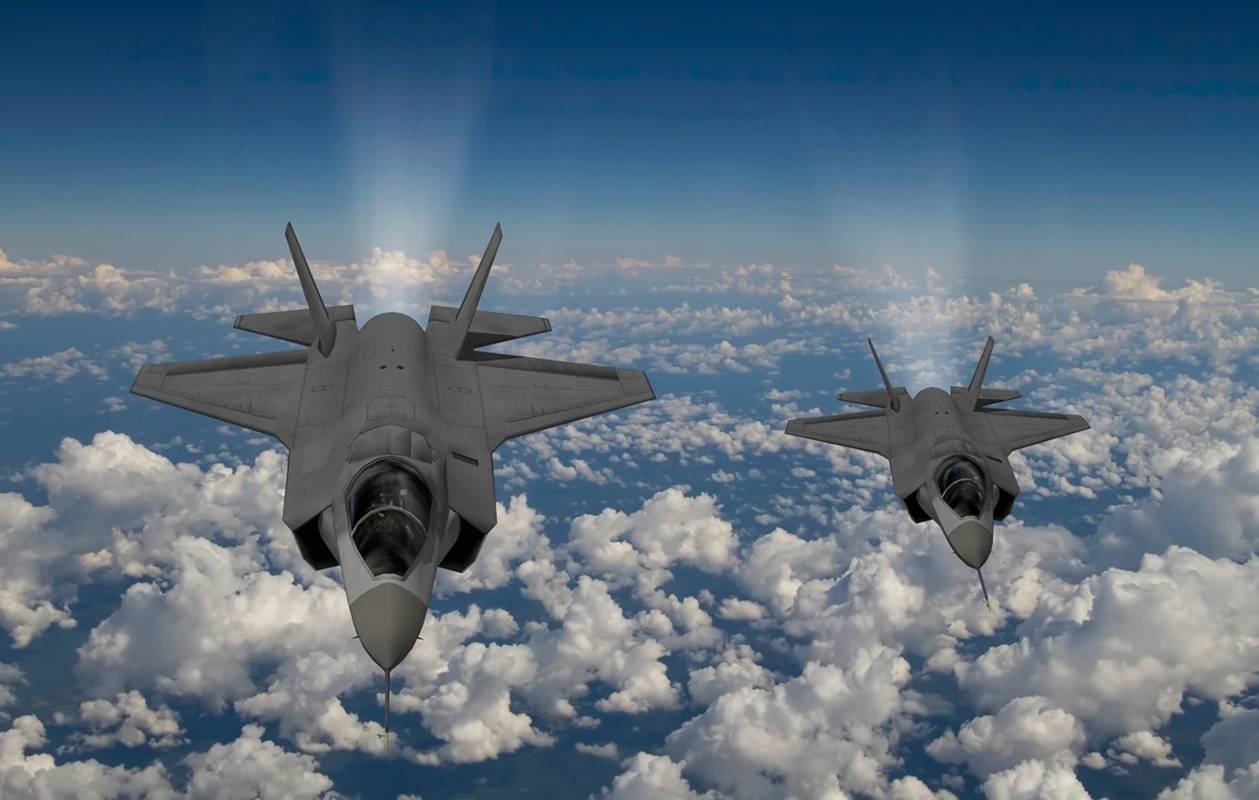
Greek officials maintain that military modernization is a direct response to long-standing security concerns and is intended to strengthen deterrence rather than create confrontation.
For Greece, investments in advanced defense systems, air power and naval capabilities are viewed as necessary measures in a region where disputes over maritime rights, sovereignty and security remain unresolved.
From Athens’ perspective, military preparedness is not an option but a strategic necessity.
Cyprus Emerges as a New Strategic Player
Perhaps nowhere is Turkey’s concern more evident than in Cyprus.
For decades, the island occupied a largely secondary role in regional military calculations. That reality is changing.
As Cyprus expands defense cooperation with Western partners and deepens security ties with regional actors such as Israel, Ankara increasingly views the island as a more significant component of the Eastern Mediterranean security equation.
The result is a new layer of geopolitical competition that extends beyond the long-standing Cyprus dispute.
Today, defense cooperation, intelligence sharing, energy security and maritime surveillance are becoming interconnected elements of a broader strategic contest.
The Energy Factor Remains Central
While defense dominates the headlines, energy remains one of the most important drivers of regional tensions.
Disputes over Exclusive Economic Zones, offshore gas reserves and maritime jurisdiction continue to shape relations among Turkey, Greece and Cyprus.
The competition is no longer solely about who controls specific maritime areas.
It is increasingly about who will shape the future energy architecture of the Eastern Mediterranean and who will control the strategic corridors linking the region to European markets.
As Europe seeks to diversify energy supplies and reduce vulnerabilities, the geopolitical value of the Eastern Mediterranean has only increased.
A Region Entering a New Era
The debate over an arms race reflects a much larger transformation.
The Eastern Mediterranean is evolving into a strategic crossroads where military power, energy security, economic interests and great-power competition intersect.
Turkey speaks of avoiding militarization.
Greece speaks of deterrence.
Cyprus speaks of security.
Yet all three are responding to the same reality: a rapidly changing geopolitical environment where influence will increasingly be determined not only by diplomacy, but also by military readiness, strategic partnerships and control of critical energy routes.
The question is no longer whether the Eastern Mediterranean is becoming a major geopolitical arena.
The question is how far the region’s competing powers are willing to go before deterrence gives way to confrontation.
Source: pagenews.gr
Διαβάστε όλες τις τελευταίες Ειδήσεις από την Ελλάδα και τον Κόσμο