Antalya Forum: Middle East Tensions, Energy Rivalries and Turkey’s Diplomatic Balancing Act
 ΧΡΟΝΟΣ ΑΝΑΓΝΩΣΗΣ 4 '
Πηγή Φωτογραφίας: AP Photo//Antalya Forum: Middle East Tensions, Energy Rivalries and Turkey’s Diplomatic Balancing Act



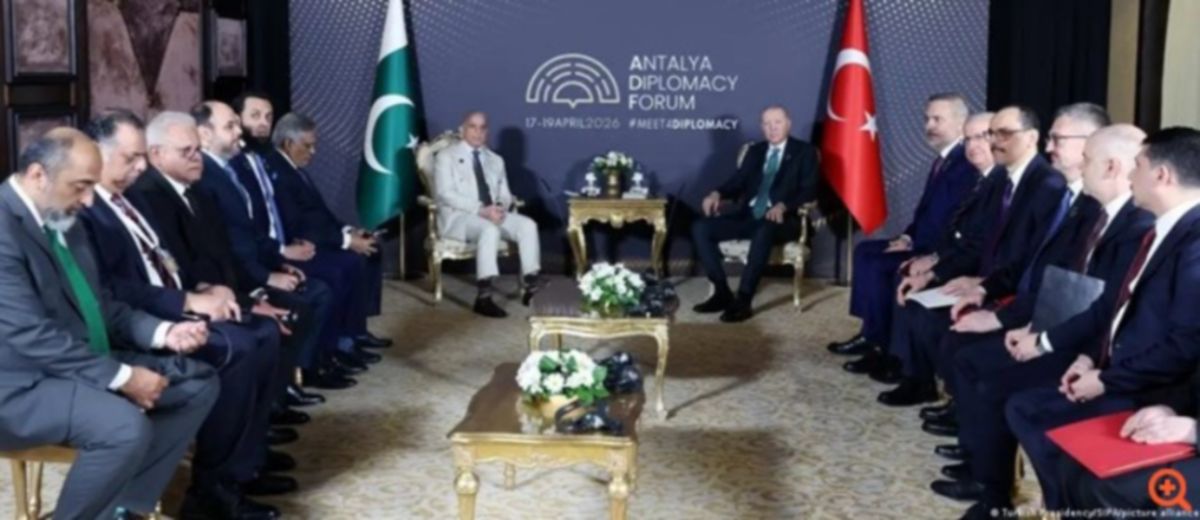
With global uncertainty deepening, the 5th Antalya Diplomacy Forum has emerged as a key stage for geopolitical signaling, placing the Middle East crisis and energy competition at the center of international debate.
Held in Antalya, the forum gathered more than 20 heads of state and government, alongside representatives from over 150 countries—underscoring its growing importance as a platform for diplomatic positioning beyond traditional Western-led forums.
A fragile “window of opportunity” in the Middle East
In his opening address, Turkish President Recep Tayyip Erdoğan framed the current ceasefire dynamics between Iran and the United States as a critical turning point:
“This is a window of opportunity that must not be missed, so that words do not once again give way to weapons.”
He emphasized that ensuring freedom of navigation and keeping the Strait of Hormuz open remains essential for global trade and energy security.
The message was clear: Turkey seeks to position itself as a stabilizing actor in a region where escalation risks remain high.
High-level participation and strategic messaging
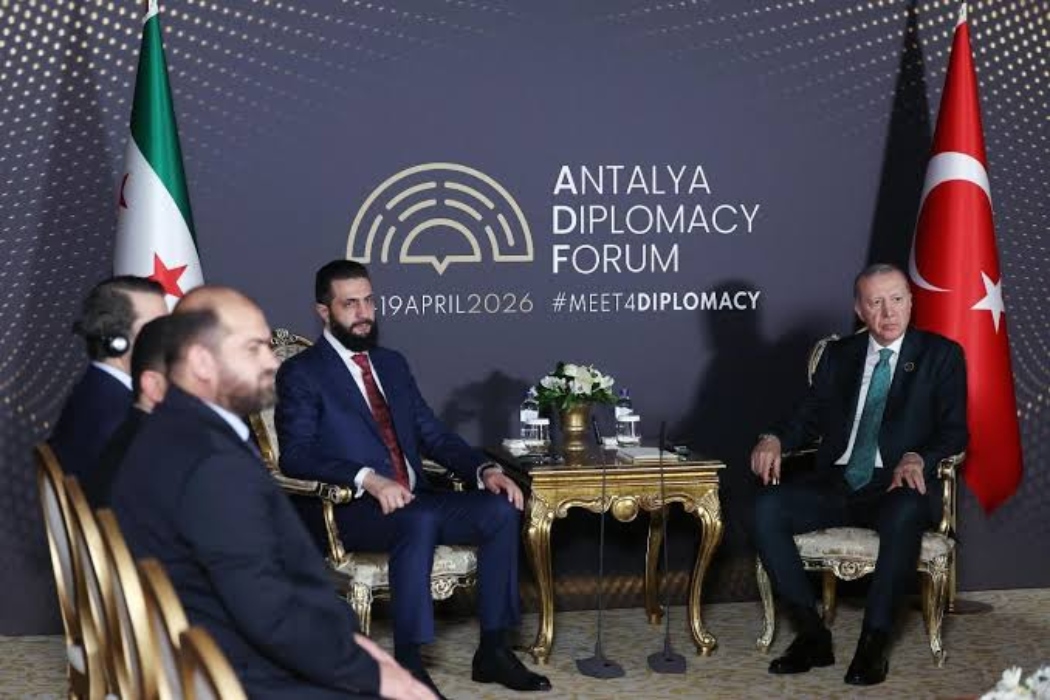
Among the prominent participants were:
- Sergey Lavrov
- Shehbaz Sharif
- Ahmed al-Sharaa
Their presence highlights the forum’s role as a bridge between competing geopolitical blocs, especially at a time when global diplomacy is increasingly fragmented.
Aegean and Eastern Mediterranean: familiar fault lines
Erdoğan also turned to regional tensions, stressing that the Aegean Sea and the Eastern Mediterranean should become a “zone of stability and prosperity.”
At the same time, he criticized what he described as: “maximalist and unilateral positions” aimed at excluding Turkey and the Northern Cyprus.
On the Cyprus issue, Ankara reiterated its long-standing position advocating a two-state solution—remaining at odds with EU and UN frameworks.
Despite tensions, Erdoğan acknowledged a “positive atmosphere” in Greek-Turkish relations, suggesting room for cautious diplomatic progress.
Energy geopolitics: criticism from within Turkey
While Ankara promotes the forum as a diplomatic success, domestic criticism reveals a more complex picture.
Turkish commentators argue that the country has missed critical opportunities in the Eastern Mediterranean energy race:
- key pipeline projects bypassed Turkey
- multi-billion-dollar deals were lost
- regional alliances formed without Ankara
According to this critique, the United States is reshaping the regional energy map through partnerships with Israel and Cyprus—leaving Turkey increasingly sidelined.
The paradox of Turkish foreign policy
This dual reality defines Turkey’s current geopolitical position:
- assertive on the ground, projecting military and regional influence
- constrained at the negotiating table, facing diplomatic isolation in key energy and alliance frameworks
Critics describe this as the outcome of inconsistent or overly transactional foreign policy choices.
Influence vs. isolation
The Antalya Diplomacy Forum reflects both Turkey’s ambitions and its limitations.
Ankara seeks to:
- act as mediator in Middle Eastern crises,
- maintain relevance in global diplomacy,
- and reassert its role in regional energy dynamics.
Yet the underlying question remains unresolved:
Can Turkey convert its geopolitical weight into sustained diplomatic influence—or will it continue to operate at the margins of key strategic decisions?
Source: pagenews.gr
Διαβάστε όλες τις τελευταίες Ειδήσεις από την Ελλάδα και τον Κόσμο