No Farewell for Orbán — Shadow of a New EU Disruptor Looms from Sofia
 ΧΡΟΝΟΣ ΑΝΑΓΝΩΣΗΣ 3 '
Πηγή Φωτογραφίας: AP Photo//No Farewell for Orbán — Shadow of a New EU Disruptor Looms from Sofia



The European Union is entering a transitional geopolitical moment: it is quietly closing the chapter on one of its most disruptive leaders, while bracing for the সম্ভibility of a new source of internal friction.
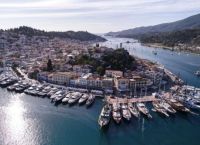
On April 23–24, 2026, EU leaders will gather in Cyprus for an informal summit in Nicosia and Ayia Napa. The setting suggests unity and renewal. The political reality is far more fragile.
A departure without ceremony
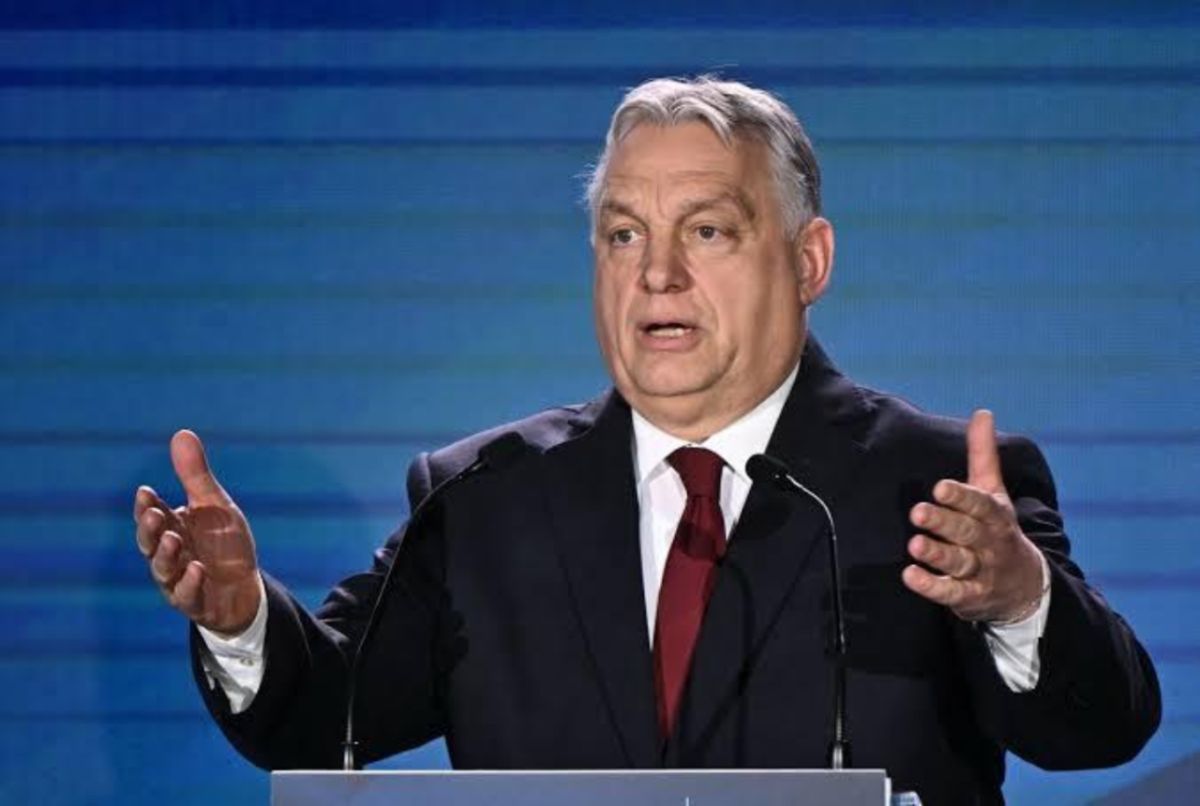
Viktor Orbán will not attend the Cyprus summit, marking the end of a 16-year era defined by confrontation, vetoes, and strategic obstruction.
His absence is more than symbolic — it reflects a broader shift inside the EU.
“It is unacceptable for collective decisions to be held hostage,” a senior EU diplomat said during earlier disputes over Hungary’s veto on Ukraine funding.
Orbán’s tenure was characterized by:
- repeated use of veto power,
- prolonged clashes with Brussels,
- and a calculated strategy of selective resistance.
Following his electoral defeat, France’s foreign minister Jean-Noël Barrot remarked:
“Vladimir Putin has lost his Trojan horse inside the European Union.”
Cyprus summit: unity under pressure
The summit hosted by Nikos Christodoulides aims to signal a reset in European cohesion.
Key agenda items include:
- long-term support for Ukraine,
- Europe’s strategic competitiveness,
- and the EU’s 2028–2034 budget framework.
European Council President António Costa framed the stakes clearly:
“A strong Europe is more necessary than ever in today’s geopolitical landscape.”
For the first time in years, leaders may deliberate without Orbán’s immediate veto threat — a rare window for consensus.
Bulgaria: the next fault line?
That window may not last.
In Bulgaria, political instability is once again reshaping the European outlook. The potential rise of Rumen Radev has raised concerns across European capitals.
Radev is widely described by analysts as a figure of “strategic ambiguity” toward Russia. During his presidency, he:
- opposed military aid to Ukraine,
- resisted sanctions on Moscow,
- and criticized long-term security agreements with Kyiv.
The concern in Brussels is not an immediate “second Hungary,” but something subtler:
- delaying decisions,
- weakening common positions,
- and leveraging institutional mechanisms to dilute EU unity.
From open conflict to “managed dissent”
The EU may be shifting into a new political phase.
Instead of overt confrontation, the challenge ahead could come from leaders who:
- operate within institutional rules,
- avoid dramatic clashes,
- yet systematically slow or reshape policy outcomes.
This “managed dissent” is harder to confront — and potentially more enduring.
Relief with a short horizon
The Cyprus summit may symbolize both closure and uncertainty:
- the end of a highly visible era of disruption,
- and the beginning of a more nuanced, less predictable political landscape.
Europe is not simply moving past Orbán. It is entering a phase where dissent becomes quieter — but no less consequential.
Source: pagenews.gr
Διαβάστε όλες τις τελευταίες Ειδήσεις από την Ελλάδα και τον Κόσμο