Global Shipping in Turmoil: Hormuz, Red Sea & Asia in a Rising Geopolitical Storm
 ΧΡΟΝΟΣ ΑΝΑΓΝΩΣΗΣ 4 '
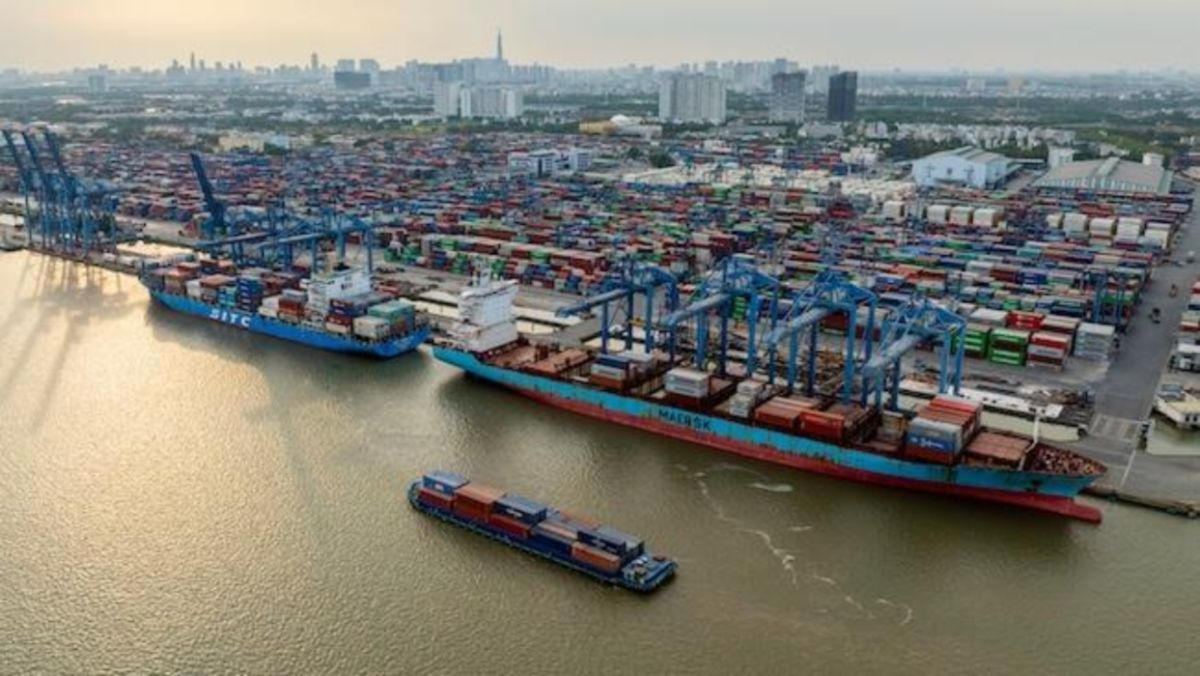
Πηγή Φωτογραφίας: AP Photo//Global Shipping in Turmoil: Hormuz, Red Sea & Asia in a Rising Geopolitical Storm



The global shipping industry is entering a period of unprecedented geopolitical volatility, where the world’s most critical sea lanes are no longer just commercial routes, but theatres of strategic rivalry, security pressure, and climate-driven disruption.
Although the Strait of Hormuz shows signs of temporary de-escalation, the broader maritime environment remains fragmented, unstable, and highly unpredictable, with multiple overlapping crises reshaping global trade flows.
Strait of Hormuz: fragile calm under uncertainty
The Strait of Hormuz remains the world’s most critical energy chokepoint, with recent signals from both Washington and Tehran suggesting a limited reopening of commercial navigation corridors.
However, operational reality on the ground remains far from clear.
Despite official messaging indicating “open passage,” major uncertainties persist:
- No confirmed navigational routing instructions
- Unclear control over shipping corridors
- Mine risk and incomplete clearance of waterways
- Lack of formal guidance to port authorities and pilots
Maritime analysts describe the situation as “cautiously improving, but operationally unverified and unstable.”
Red Sea: soaring insurance costs and rerouted global trade
The Red Sea continues to experience significant disruption, with shipping traffic still 40–50% below pre-crisis levels, due to ongoing threats from drone and missile attacks on commercial vessels.
The most severe impact is seen in war risk insurance premiums, which remain at extreme levels, forcing shipping companies to:
- absorb heavy additional costs, or
- reroute vessels via the Cape of Good Hope
This rerouting significantly increases transit time and fuel consumption, reshaping global supply chains.
Black Sea: commercial corridor under military pressure
Despite efforts to stabilize maritime trade, the Black Sea remains a hybrid zone of commerce and conflict.
Recent incidents include:
- strikes on port infrastructure in Izmail
- damage to vessels and barges
- UAV attacks on energy facilities in Russia
- continued drone activity targeting shipping routes
At the same time, alternative corridors are expanding through Romania and Bulgaria, with the Port of Constanța emerging as a strategic hub in the Middle Corridor linking Asia and Europe.
South China Sea: militarization of vital trade routes
Tensions around Scarborough Shoal and the broader South China Sea continue to escalate, as China strengthens its presence through:
- floating barriers and patrol vessels
- coast guard and maritime militia deployments
- effective control over disputed maritime areas
The region handles roughly one-third of global maritime trade, making it one of the most strategically sensitive waterways on the planet.
Any escalation near Taiwan could force shipping to reroute via Indonesia’s Lombok or Makassar Straits, dramatically increasing global freight costs.
Arctic & Antarctic: emerging routes under climate pressure
Polar regions are gradually becoming new frontiers in maritime strategy:
- In the Arctic, the Northern Sea Route is gaining attention due to southern chokepoint instability, but remains limited by ice conditions and geopolitical tensions with Russia
- In the Antarctic, increased tourism and scientific shipping activity are being met with stricter environmental regulations under the updated Polar Code (2026), including restrictions on heavy fuel use
Climate change is simultaneously opening new routes and creating new regulatory constraints.
Malacca Strait: piracy risks in a critical corridor
The Strait of Malacca, one of the busiest shipping lanes globally, continues to face maritime security threats, including:
- armed robbery incidents
- boarding attempts on commercial vessels
- attacks on barges and slow-moving ships
Despite regional patrol coordination, shipping companies are advised to maintain heightened vigilance during transit.
a multi-front maritime risk environment
Global shipping is no longer facing a single disruption point, but a network of simultaneous geopolitical stress zones.
From Hormuz to the South China Sea, from the Black Sea to the Arctic, maritime routes are becoming strategic pressure points where trade, security, and power politics intersect.
The outcome is a global logistics system increasingly defined by:
- rerouting strategies
- rising insurance costs
- longer transit times
- and heightened geopolitical risk premiums
Πηγή: pagenews.gr
Διαβάστε όλες τις τελευταίες Ειδήσεις από την Ελλάδα και τον Κόσμο