Alexandros Exarchou: A New LNG Model Without Subsidies but with Massive Investments
 ΧΡΟΝΟΣ ΑΝΑΓΝΩΣΗΣ 4 '
Πηγή Φωτογραφίας: eurokinissi//Alexandros Exarchou: A New LNG Model Without Subsidies but with Massive Investments



A new energy model without public subsidies
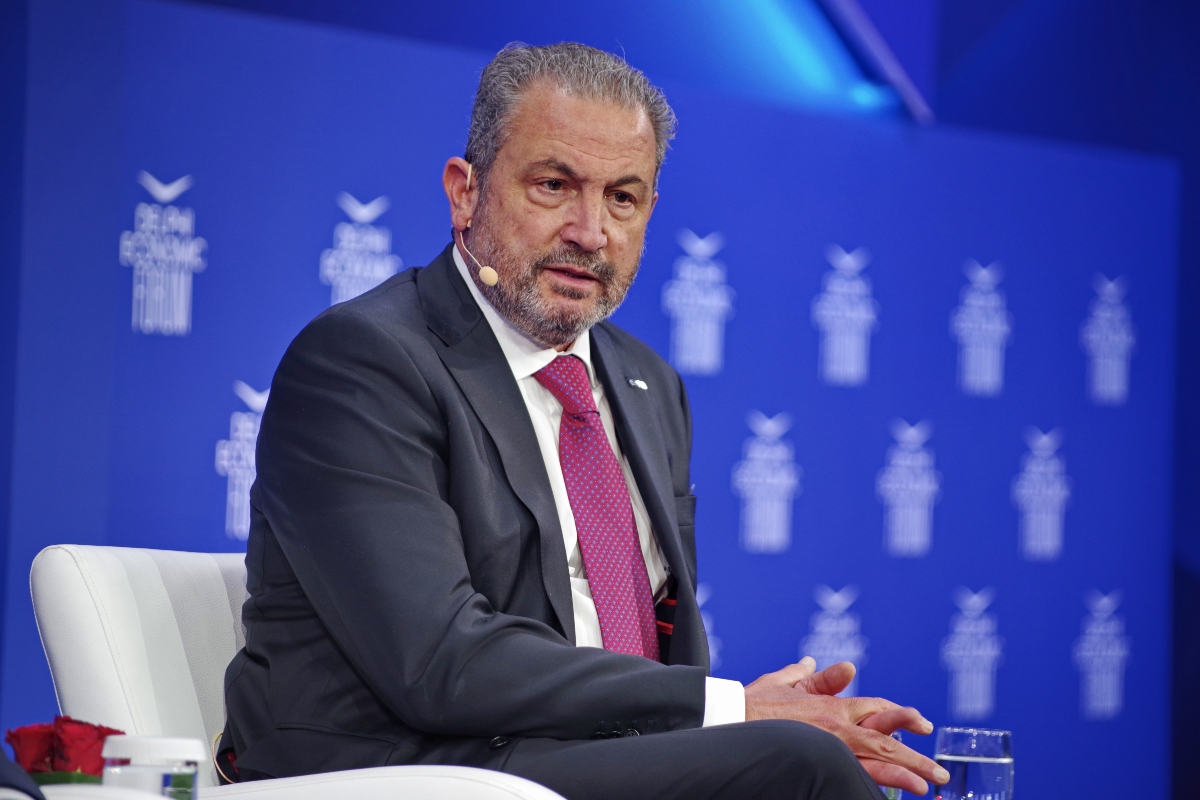
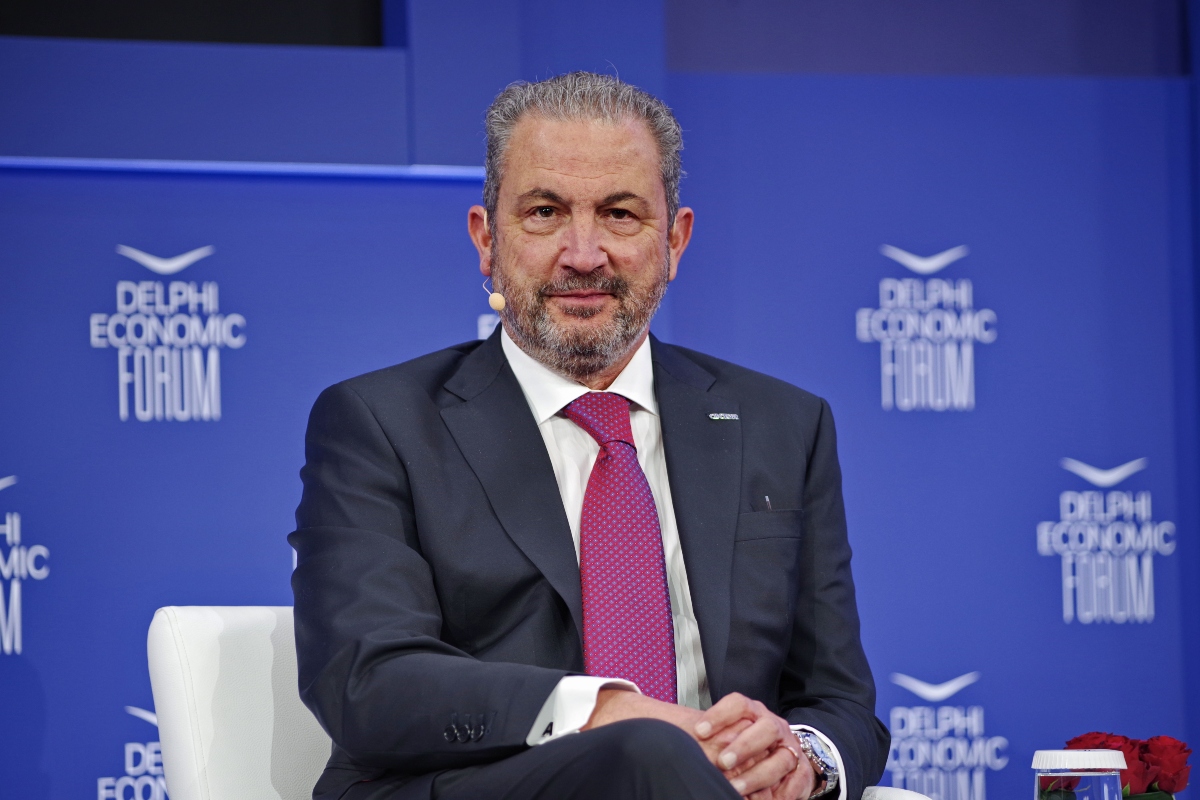
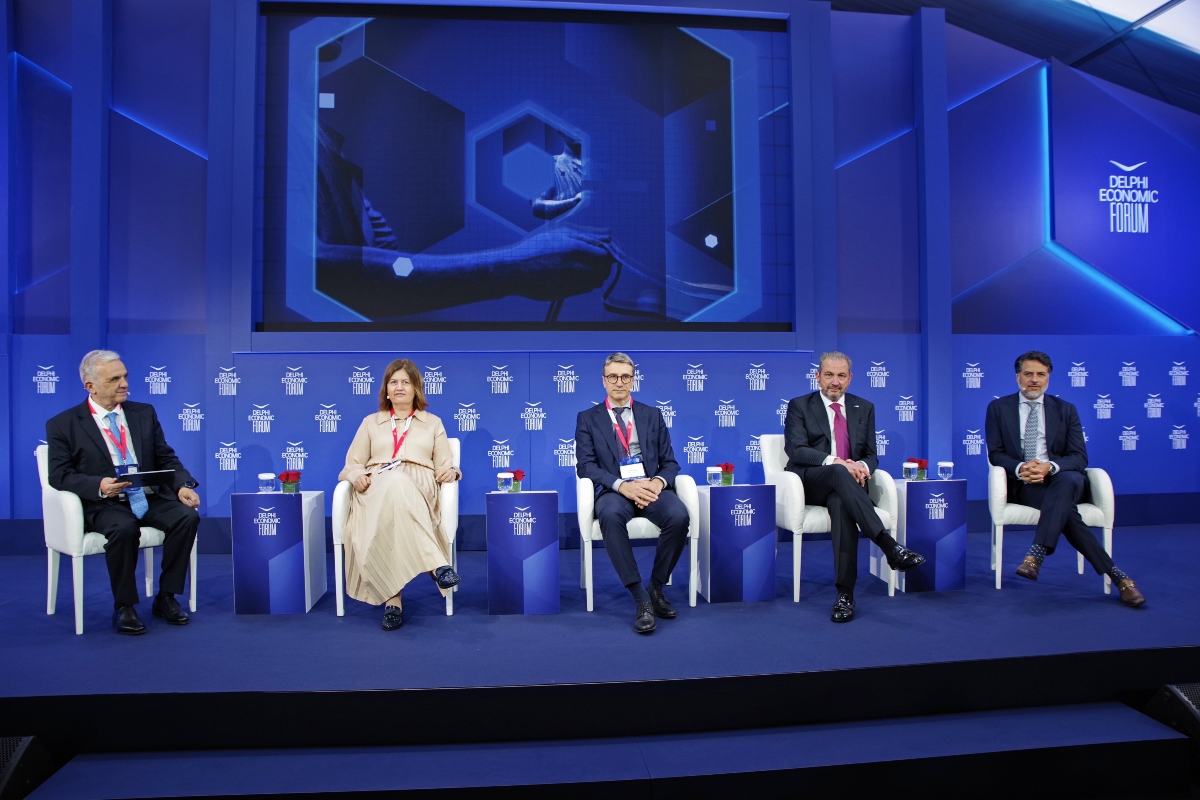
At the Delphi Economic Forum, the Chairman and CEO of AKTOR Group and CEO of Atlantic SEE LNG Trade, Alexandros Exarchou, presented a new investment-driven approach to Europe’s LNG market.
His central argument was clear:
energy development does not necessarily require state subsidies, but rather long-term commercial contracts and large-scale private investment.
“Flows from long-term LNG agreements can finance new infrastructure without state subsidies,” he emphasized.
Investment-driven growth and a new market logic
Exarchou outlined a structural shift in Europe’s energy paradigm: moving away from subsidy-dependent models toward self-sustaining investment frameworks based on contractual stability.
In this context, long-term LNG agreements become essential because they:
- reduce investment risk
- ensure price predictability
- enable infrastructure financing at scale
According to him, this approach is more resilient and better suited to a volatile global energy environment.
The Vertical Corridor as a strategic infrastructure axis
A key focus of his intervention was the Vertical Corridor, a major regional energy project with the potential to reshape Southeast Europe’s energy map.
Exarchou stressed that Greece holds a unique geopolitical advantage:
“The country has a historic opportunity to become an international energy hub.”
Its geographical position allows it to serve as a transit gateway for LNG flows toward Central and Eastern Europe, strengthening regional energy security and diversification away from single-source dependency.
Greece as an emerging energy powerhouse
The message was particularly optimistic regarding Greece’s strategic role in the evolving European energy system.
Exarchou argued that the country is entering a rare window of opportunity:
“Greece has the potential to become a pillar of geopolitical and energy stability.”
However, he also stressed that this opportunity is time-sensitive and requires decisive action to fully materialize.
Next-generation infrastructure: FSRUs and expansion capacity
A critical component of this vision is infrastructure expansion.
He highlighted the need for:
- a second FSRU in Greece
- potential development of a third floating terminal
- stronger cross-border energy interconnections
According to Exarchou, Atlantic SEE LNG Trade is actively working on securing commercial flows and agreements that would enable such investments to proceed on a purely market-driven basis.
Europe’s structural weakness: the absence of a unified voice
Beyond infrastructure, Exarchou addressed a deeper systemic issue in the European Union: fragmentation.
“Europe does not speak with one voice — and this is its biggest strategic weakness,” he stated.
He noted that the EU remains a unique global experiment with a common currency but without fully integrated energy, foreign, or defense policies—limiting its global competitiveness against the United States and China.
A market-led energy transformation with geopolitical weight
Exarchou’s vision outlines a clear direction for Europe’s energy future:
a transition away from subsidies toward private capital, long-term contracts, and strategic infrastructure investment.
At the center of this transformation is Greece, positioned as a potential critical hub in Europe’s LNG supply architecture.
If realized, this model could significantly strengthen both regional energy security and Greece’s geopolitical role—turning geography into long-term strategic advantage.
Source: pagenews.gr
Διαβάστε όλες τις τελευταίες Ειδήσεις από την Ελλάδα και τον Κόσμο