Article 42.7 Put to the Test: EU Simulates Collective Defence for the First Time
 ΧΡΟΝΟΣ ΑΝΑΓΝΩΣΗΣ 3 '
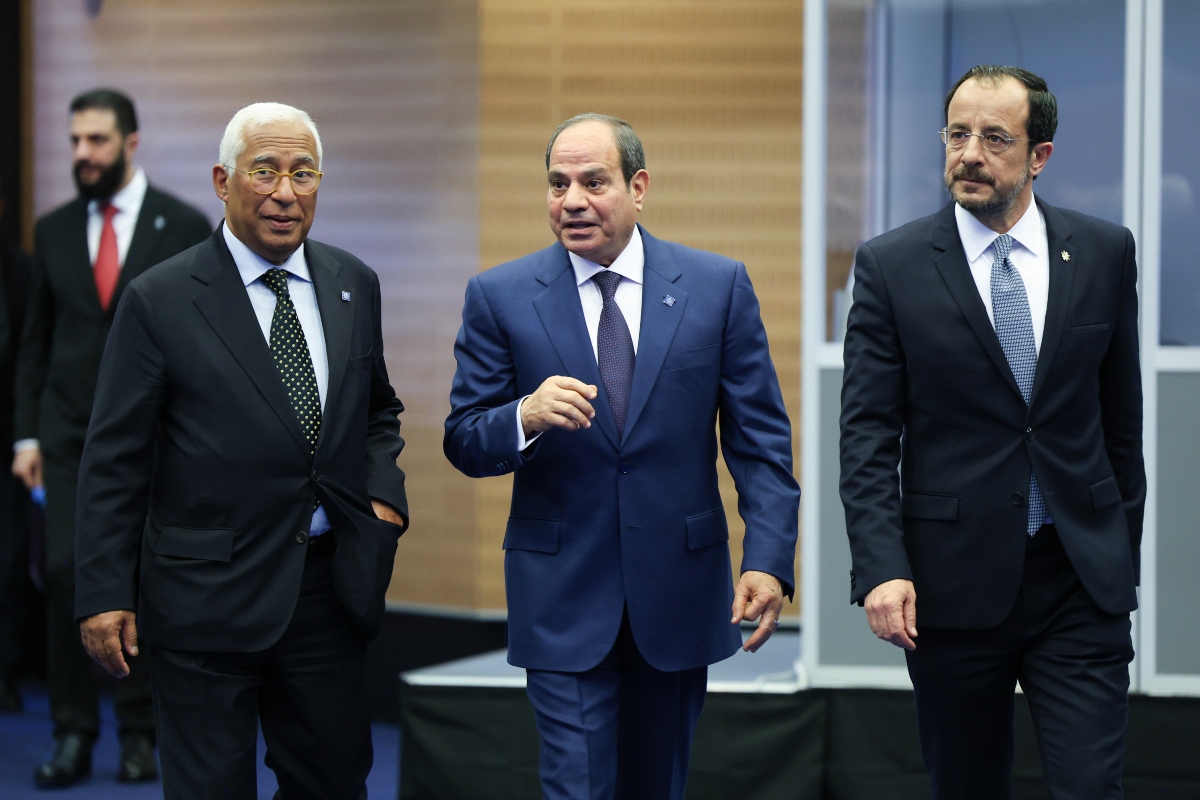
Πηγή Φωτογραφίας: (POOL PHOTO/ΕΥΡΩΠΑΪΚΗ ΕΝΩΣΗ/EUROKINISSI)//Article 42.7 Put to the Test: EU Simulates Collective Defence for the First Time



A landmark exercise in Brussels
In May, Brussels will host the first-ever multi-layer simulation exercise testing the activation of the mutual defence clause under Article 42.7 of the European Union.
The exercise will unfold in three phases and include:
- the European Commission
- EU member states
- diplomatic representations
The goal is to test in practice how a collective response mechanism would function in the event of an armed attack against a member state.
What Article 42.7 provides
Article 42.7 of the European Union states that:
- in the event of armed aggression against a member state
- other member states are obliged to provide aid and assistance
Diplomatic sources stress that this is:a legal obligation, not a political choice
The core problem: lack of an operational mechanism
Although the clause exists in the EU treaties, it has never been fully operationalised.
Key gaps include:
- absence of a real-time coordination system
- no structured inventory of available capabilities
- unclear request-and-response procedures
- delays in mobilising assistance
The EU “playbook”
The European Commission is preparing an operational “playbook”, intended as a procedural guide.
It will not be legally binding, but will:
- define activation steps
- structure information flows
- enable faster real-time coordination
The French precedent
The clause was activated only once, in 2015, by France following the Paris terrorist attacks. However, no fully structured response mechanism was ever developed at the time.
This remains the key reference point for current institutional shortcomings.
The Cypriot position
According to diplomatic sources, Cyprus has been among the countries emphasising that:
the clause represents a legal duty of mutual assistance, not a matter of political discretion
This reinforces the view that activation cannot depend on shifting political balances.
What changes in practice
1. From political declaration to operational duty
The exercise marks a shift from theoretical commitment to practical security architecture.
2. Toward strategic autonomy
The European Union seeks to strengthen its ability to respond independently to crises.
3. A test of internal cohesion
The main challenge is not legal but political: how quickly and effectively member states can coordinate.
4. Relationship with NATO
The clause does not replace NATO, but operates in parallel, requiring clear division of roles.
The simulation of Article 42.7 marks a significant step for the European Union, as it attempts to transform a legal provision into an operational defence mechanism.
The central question remains whether Europe can, in practice, respond collectively and rapidly to a security crisis without relying primarily on external power structures.
Source: pagenews.gr
Διαβάστε όλες τις τελευταίες Ειδήσεις από την Ελλάδα και τον Κόσμο